
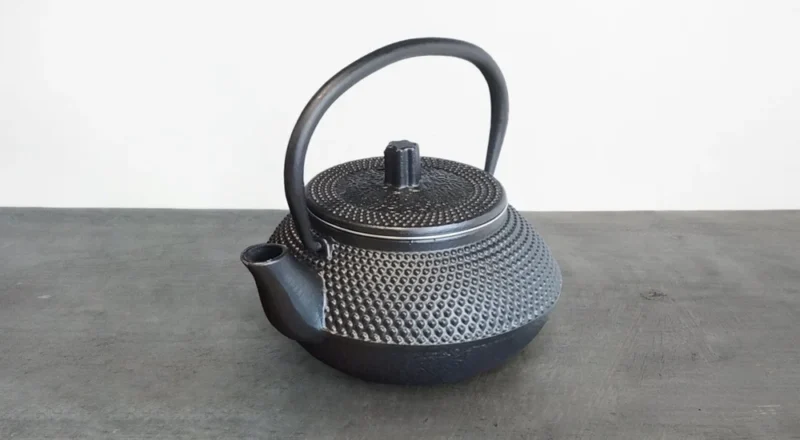
Proper winter storage for cast iron cookware is essential for anyone who wants to preserve their investment and enjoy reliable performance year after year. Cold, damp conditions can quickly lead to rust, loss of seasoning, and even permanent damage if your pans, kettles, or Dutch ovens aren’t stored correctly. Whether you’re a home cook, an outdoor enthusiast, or a collector of vintage iron, understanding the best practices for off-season care will help you keep your cookware in top shape.
This article covers everything you need to know about preparing, storing, and maintaining your cast iron during the winter months. We’ll also highlight some common mistakes to avoid, offer tips for both indoor and outdoor storage, and point you to further resources on cast iron history and traditions, such as metal casting history and cultural kettle cooking traditions.
Why Seasonal Care Matters for Cast Iron
Cast iron is renowned for its durability, but it’s not immune to the effects of moisture, temperature swings, and neglect. When left in unheated garages, sheds, or even damp basements, iron cookware can develop rust, lose its seasoning, or absorb unwanted odors. This is especially true during the winter, when humidity and condensation are common issues.
Taking a few simple steps before storing your cookware can prevent months of restoration work later. Well-maintained cast iron will be ready for use as soon as spring arrives, saving you time and frustration.
Preparing Your Cookware for Winter Storage
Before putting your cast iron away for the season, it’s important to clean, dry, and re-season each piece. Here’s a step-by-step guide:
- Thorough Cleaning: Wash your cookware with warm water and a gentle brush or non-abrasive scrubber. Avoid soap if your pan is well-seasoned, but a small amount is fine if you plan to re-season.
- Dry Completely: Water is the enemy of cast iron. After rinsing, dry your cookware thoroughly with a towel, then place it on a warm burner or in a low oven for a few minutes to evaporate any remaining moisture.
- Apply a Thin Layer of Oil: Rub a small amount of neutral oil (like flaxseed, canola, or grapeseed) over the entire surface, inside and out. Wipe off excess oil with a clean cloth or paper towel.
- Re-season if Needed: For extra protection, bake your cookware upside down in a 400°F (200°C) oven for an hour. Place a sheet of foil on the rack below to catch drips. Allow to cool completely before storing.
Following these steps ensures your cookware is clean, dry, and protected by a fresh layer of seasoning before it faces the challenges of winter storage.
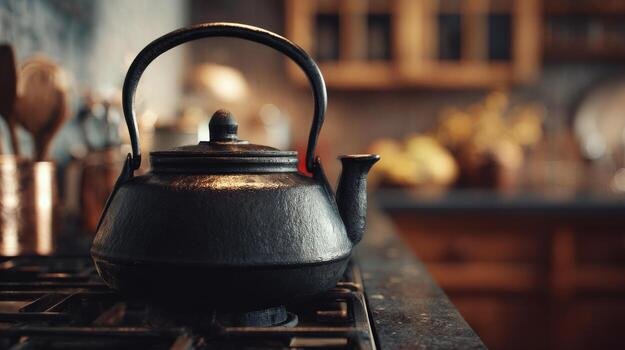
Choosing the Right Storage Location
Where you store your cast iron during the winter can make a big difference in how well it weathers the season. Here are some key considerations:
- Dryness: Always choose a location that is as dry as possible. Avoid damp basements, uninsulated garages, or outdoor sheds prone to condensation.
- Temperature Stability: While cast iron can handle cold temperatures, rapid fluctuations can cause condensation and promote rust. If possible, store cookware in a space with stable temperatures.
- Ventilation: Good airflow helps prevent moisture buildup. Avoid sealing cookware in airtight plastic bags or containers, which can trap humidity.
- Accessibility: Store your pans where you can check on them occasionally. This makes it easier to spot any early signs of rust or damage.
If indoor storage isn’t possible, consider wrapping your cookware in a clean, dry cloth or paper and placing it in a sturdy cardboard box. This helps absorb any moisture and protects the surface from scratches.
Stacking and Organizing Your Cast Iron
Proper organization is important to prevent scratches and preserve the seasoning layer. Here are some tips for stacking and storing multiple pieces:
- Place a paper towel, cloth napkin, or parchment paper between each piece to prevent direct metal-to-metal contact.
- Store lids separately or upside down to allow air circulation and prevent moisture from being trapped inside the pan.
- Avoid stacking heavy items on top of delicate or vintage pieces, as this can cause warping or chipping.
For those interested in the cultural side of cast iron, you may enjoy reading about outdoor hospitality traditions and how cast iron has played a role in communal cooking throughout history.

Common Mistakes to Avoid During Off-Season Storage
Even experienced cast iron users sometimes make mistakes that can lead to rust or damaged seasoning. Here are a few pitfalls to watch out for:
- Storing While Damp: Always ensure cookware is bone dry before putting it away. Even a small amount of moisture can cause rust over time.
- Using Too Much Oil: Excess oil can become sticky or rancid during long storage. Wipe off all but the thinnest layer before storing.
- Sealing in Plastic: Airtight containers or plastic wrap can trap humidity and promote corrosion. Use breathable materials instead.
- Neglecting to Check: It’s a good idea to inspect your cookware once or twice during the winter. If you spot rust, scrub it off and re-season as needed.
Advanced Tips for Long-Term Cast Iron Care
If you have a large collection or valuable vintage pieces, consider these extra steps for optimal preservation:
- Silica Gel Packs: Place a few food-safe desiccant packs in your storage area to absorb excess moisture.
- Climate-Controlled Storage: For rare or antique cookware, a climate-controlled environment offers the best protection against rust and degradation.
- Regular Re-Seasoning: Even during storage, it’s beneficial to re-season your cookware every few months, especially if you live in a humid climate.
For more on the history and cultural significance of cast iron, explore articles on historic food serving methods and Eastern European kettle cooking.
Resources for Cast Iron Maintenance and Use
Learning how to care for your cookware is just the beginning. For those interested in expanding their knowledge, check out this detailed guide on how to use and care for cast iron teapots. You’ll find tips on cleaning, seasoning, and even serving traditions from around the world.
Whether you’re storing a single skillet or a collection of heirloom pieces, following these guidelines will help ensure your cast iron remains a reliable kitchen companion for years to come.
Frequently Asked Questions
How can I prevent rust on my cast iron during winter?
To prevent rust, always store your cookware completely dry and lightly oiled. Choose a dry, well-ventilated location and avoid sealing in plastic. Checking your cookware occasionally during the winter can help you catch and address any rust early.
Is it safe to store cast iron in an unheated garage or shed?
While cast iron can handle cold temperatures, unheated spaces often have high humidity and condensation, which can lead to rust. If you must store cookware in these areas, wrap it in a dry cloth and use desiccant packs to help absorb moisture.
Should I re-season my cast iron before or after winter storage?
It’s best to re-season your cookware before storing it for the winter. This adds an extra layer of protection against moisture and rust. If you notice any rust or loss of seasoning after storage, clean and re-season before your next use.


