
The story of metal casting history spans thousands of years, shaping civilizations and influencing the way people cook, build, and create. From the earliest bronze tools to the robust iron cookware found in kitchens today, the evolution of casting techniques reveals both technological ingenuity and cultural transformation. Understanding this journey not only highlights the importance of metalwork in daily life but also connects us to traditions that continue to inspire artisans and manufacturers worldwide.
Whether you’re fascinated by ancient craftsmanship or curious about the origins of your favorite cast iron pot, exploring the development of metal casting offers insight into how societies advanced and adapted. Early methods laid the groundwork for innovations that would eventually lead to the durable, versatile cookware and tools we rely on. For those interested in traditional food preparation, methods like broth making over fire pits and open-fire cooking are deeply intertwined with the legacy of cast metal vessels.
The Origins of Metal Casting: Bronze Age Breakthroughs
The roots of metal casting history can be traced to the Bronze Age, around 3000 BCE. Early civilizations in Mesopotamia, Egypt, and China began melting copper and tin to produce bronze, a metal that was both strong and workable. Using simple clay molds, artisans poured molten bronze to create tools, weapons, and ceremonial objects. This innovation marked a significant leap from stone implements, enabling more complex shapes and improved durability.
Lost-wax casting, a technique still used today, emerged during this period. Artisans sculpted a wax model, encased it in clay, and then heated the mold to melt away the wax, leaving a cavity for the molten metal. This allowed for intricate designs, including statues and decorative items, and set the stage for further advancements in casting technology.
Iron Age Innovations: Stronger Metals, New Techniques
With the dawn of the Iron Age around 1200 BCE, societies discovered how to extract and cast iron, a metal even tougher than bronze. Early iron casting required higher temperatures and more advanced furnaces, but the results transformed agriculture, warfare, and domestic life. Iron plows, swords, and cookware became widespread, offering greater resilience and utility.
In China, the development of blast furnaces around the 5th century BCE enabled large-scale production of cast iron. This breakthrough allowed for the creation of durable pots, pans, and cauldrons, many of which were used for communal meal preparation and storage. The spread of iron casting techniques across Asia, the Middle East, and Europe fueled trade and cultural exchange, further embedding metalwork into daily routines.
Medieval and Renaissance Metalwork: Craftsmanship and Community
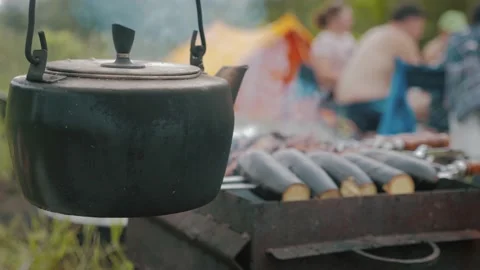
During the medieval era, foundries became central to European towns and cities. Blacksmiths and metalworkers refined casting methods, producing everything from church bells to household utensils. The use of sand molds became more common, allowing for faster and more consistent production of iron goods. Cast iron cauldrons and kettles became staples in communal kitchens, supporting large-scale food preparation and social gatherings.
As trade routes expanded, so did the exchange of casting knowledge. Techniques from Asia influenced European metalwork, leading to innovations in both form and function. The Renaissance period saw a surge in artistic casting, with ornate gates, statues, and cookware reflecting both technical skill and aesthetic ambition. These developments laid the groundwork for the industrial advances that would soon follow.
Industrial Revolution: Mass Production and Everyday Ironware
The Industrial Revolution of the 18th and 19th centuries marked a turning point in metal casting history. Steam-powered machinery and improved furnace designs enabled foundries to produce cast iron goods on a massive scale. Affordable, durable cookware such as skillets, Dutch ovens, and griddles became accessible to households of all classes.
Cast iron’s heat retention and versatility made it indispensable in kitchens, especially for techniques like primitive cooking methods and open-fire meal preparation. The ability to mass-produce consistent, high-quality items also spurred the growth of international trade and the rise of iconic brands that are still recognized today.
Modern Metal Casting: Innovation and Tradition
Today, metal casting combines centuries-old techniques with cutting-edge technology. Computer-aided design (CAD), advanced alloys, and precision molds allow for the creation of cookware and tools that are both functional and beautiful. Enamel-coated cast iron, for example, offers the benefits of traditional iron with easier maintenance and a splash of color.
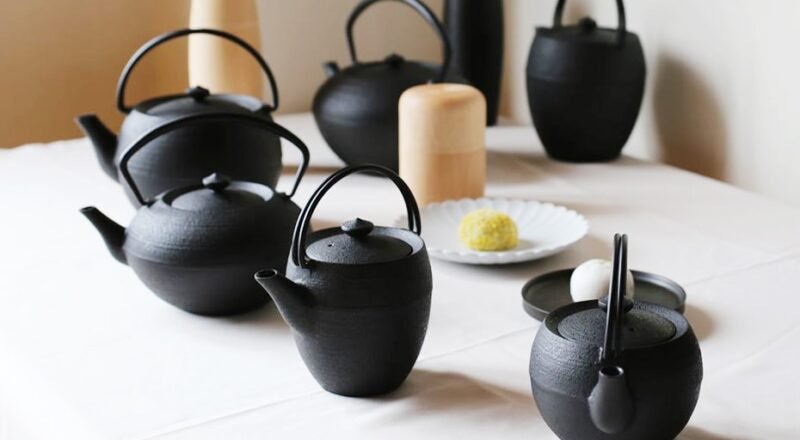
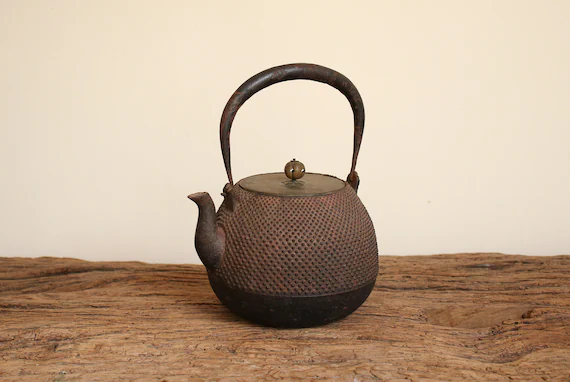
Despite these advancements, many artisans and enthusiasts continue to value traditional casting methods for their authenticity and craftsmanship. Handmade iron teapots, skillets, and cauldrons remain popular among collectors and cooks who appreciate their durability and unique character. For those interested in learning more about using and caring for these items, resources like this comprehensive guide to cooking with enamelled cast iron cookware offer practical advice and inspiration.
Legacy and Influence: How Metal Casting Shapes Our World
The impact of metal casting history extends far beyond cookware. Bridges, machinery, sculptures, and even architectural elements owe their existence to advances in casting technology. The ability to shape metal into precise forms has enabled engineers and artists alike to push the boundaries of what’s possible.
In the culinary world, cast iron remains a favorite for its reliability and performance. Whether used for communal meal cooking methods or rustic outdoor feasts, cast iron vessels connect modern cooks to a lineage of innovation and tradition. Caring for these items, from seasoning to cleaning, is part of a ritual that honors the craftsmanship of generations past.
Frequently Asked Questions
What is the oldest known method of metal casting?
The earliest documented technique is lost-wax casting, which dates back to the Bronze Age. This process allowed artisans to create detailed bronze objects by forming a wax model, encasing it in clay, and replacing the wax with molten metal.
How did cast iron cookware become popular?
Cast iron cookware gained popularity during the Industrial Revolution, when advances in furnace technology and mass production made it affordable and widely available. Its durability and excellent heat retention made it a staple in both home and professional kitchens.
Are traditional metal casting methods still used today?
Yes, many artisans continue to use age-old casting techniques, especially for handmade cookware, art, and restoration projects. While modern technology has improved efficiency and consistency, traditional methods are valued for their craftsmanship and unique results.


