
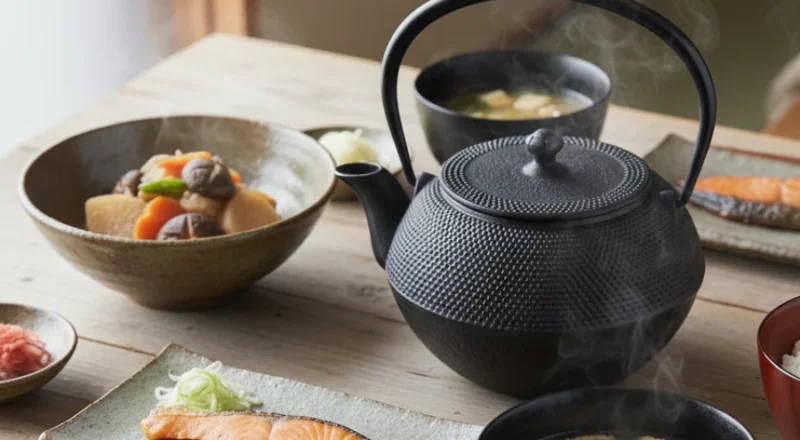
Eastern European kettle cooking is a centuries-old tradition that brings people together around open fires, simmering pots, and hearty flavors. From the Hungarian plains to the Carpathian Mountains, communities have long relied on large kettles—often called bogrács—to prepare communal meals that nourish both body and spirit. These rustic cooking methods highlight the importance of simple ingredients, slow simmering, and the unique taste that only comes from cooking over an open flame.
Whether you’re a food history enthusiast, an outdoor cooking fan, or simply curious about the roots of European comfort food, exploring the world of kettle-cooked stews offers a window into regional culture and culinary ingenuity. The use of cast iron and traditional vessels is not only practical but also deeply symbolic, connecting generations through shared meals and time-honored recipes.
For those interested in the broader history of cookware, the evolution of cooking vessels provides fascinating insights into how pots and kettles have shaped culinary practices across continents.
The Origins and Significance of Bogrács
The word “bogrács” refers to a traditional Hungarian kettle, typically made of iron or copper, suspended over an open fire. This vessel is central to many classic dishes, most famously gulyás (goulash), but also paprikás, pörkölt, and various fish stews. The design of the bogrács—with its rounded bottom and sturdy handle—makes it ideal for outdoor cooking, allowing for even heat distribution and easy stirring.
Across Eastern Europe, similar kettles are used in Slovakia, Romania, Serbia, and Ukraine, each with their own regional twists. These communal meals are often prepared during festivals, family gatherings, or outdoor celebrations, reinforcing social bonds and celebrating local produce.
Key Elements of Eastern European Kettle Cooking
At the heart of eastern european kettle cooking are several defining features:
- Open-fire cooking: The use of wood or charcoal imparts a smoky aroma and deep flavor to stews and soups.
- Hearty ingredients: Root vegetables, meats, beans, and spices like paprika are staples in these dishes.
- Slow simmering: Meals are cooked gently over several hours, allowing flavors to meld and ingredients to tenderize.
- Communal experience: The process is as important as the meal itself, with friends and family gathering around the fire to share stories and anticipation.
These characteristics make kettle-cooked meals both practical and memorable, especially in outdoor or rustic settings.
Classic Stews and Soups from the Region
While goulash is perhaps the most famous export, there is a rich variety of kettle-cooked dishes across Eastern Europe:
- Gulyás (Goulash): A robust beef stew with paprika, potatoes, carrots, and sometimes dumplings.
- Halászlé (Fisherman’s Soup): A spicy fish soup from Hungary, often made with carp and plenty of paprika.
- Bográcsgulyás: A thinner, soupier version of goulash, traditionally cooked outdoors in a bogrács.
- Pörkölt: A thick meat stew, similar to goulash but with less liquid and more emphasis on the meat and sauce.
- Čobanac: A Croatian shepherd’s stew, combining various meats, vegetables, and hot peppers.
Each of these dishes reflects the local climate, available ingredients, and cultural preferences, but all share the core technique of slow, open-fire simmering in a sturdy kettle.
Essential Equipment for Outdoor Stew Preparation
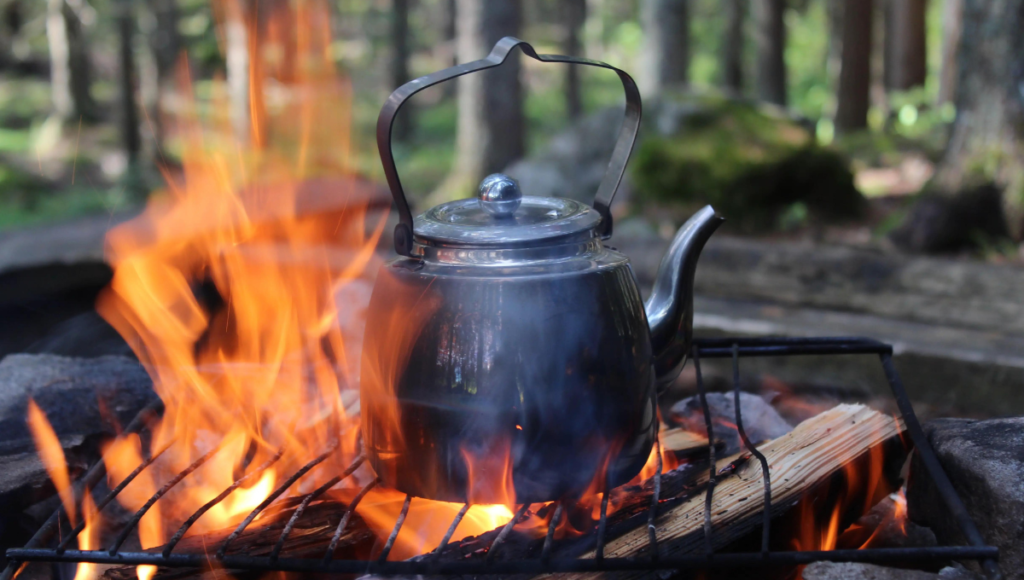
To master kettle-based Eastern European cooking, a few key pieces of equipment are essential:
- Bogrács or cauldron: Choose a size that suits your group—smaller kettles for family meals, larger ones for gatherings.
- Tripod or hanging stand: This allows the kettle to be suspended safely over the fire and adjusted for heat control.
- Long-handled ladle and stirring spoon: For safe and easy stirring without getting too close to the flames.
- Firewood or charcoal: Hardwood is preferred for a steady, long-lasting heat source.
Many outdoor cooking enthusiasts also invest in rustic event catering equipment to create authentic, large-scale feasts reminiscent of traditional gatherings.
Care and Maintenance of Cast Iron Kettles
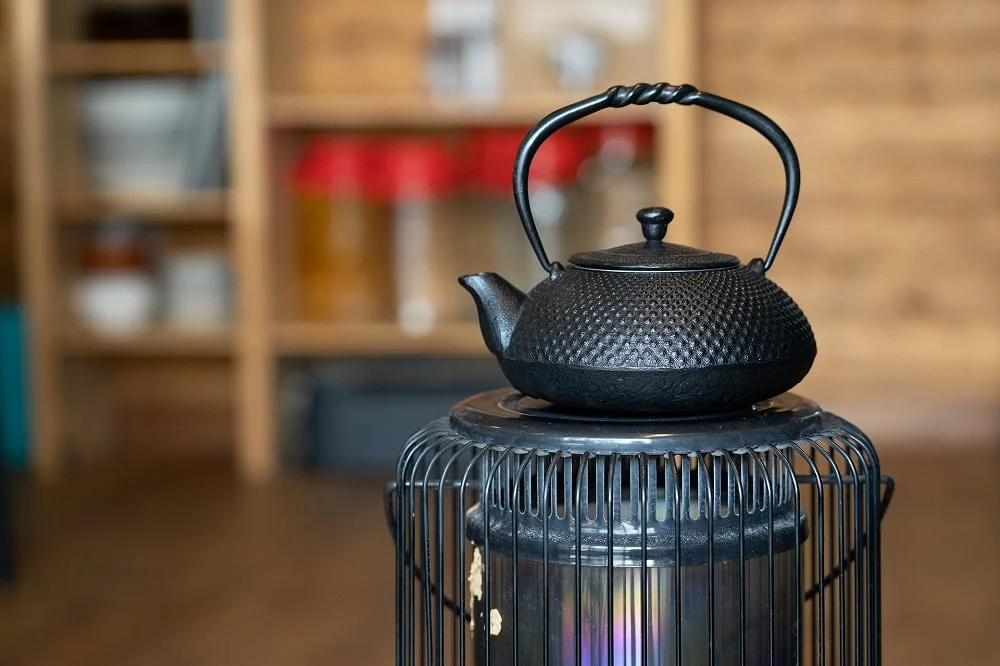
Proper care is crucial for keeping your kettle in top condition. After each use, clean the pot thoroughly with hot water and a soft brush—avoid harsh detergents that can strip the seasoning. Dry the kettle completely to prevent rust, and apply a thin layer of oil to maintain the protective coating.
For detailed advice on maintaining cast iron teapots and kettles, consult this comprehensive guide to cast iron teapot care. Regular maintenance ensures your kettle will last for generations, enhancing both flavor and tradition.
Tips for Authentic Outdoor Stew Cooking
To achieve the best results when preparing kettle-cooked stews outdoors, keep these practical tips in mind:
- Layer your ingredients: Start with onions and fat, then add meat, followed by vegetables and spices. This builds depth of flavor.
- Control the heat: Adjust the height of the kettle or add/remove firewood to maintain a gentle simmer.
- Stir occasionally: Prevent sticking and ensure even cooking by stirring with a long-handled spoon.
- Cook in stages: Add quick-cooking ingredients (like potatoes or peppers) later to avoid overcooking.
- Let it rest: Allow the stew to sit off the heat for 10–15 minutes before serving for maximum flavor integration.
For those interested in other outdoor culinary traditions, exploring broth making over fire pits can provide additional inspiration for slow-simmered, fire-cooked meals.
Modern Adaptations and Cultural Revival
While the essence of eastern european kettle cooking remains unchanged, modern cooks have adapted these methods for backyard gatherings, camping trips, and even home kitchens. Portable bogrács sets, enamel-coated kettles, and fire-safe tripods make it easier than ever to recreate authentic flavors outside of traditional settings.
Food festivals and cultural events across Europe continue to celebrate these age-old practices, drawing new generations into the world of outdoor stew making. The communal aspect—sharing food, laughter, and stories around a fire—remains at the heart of the experience.
Frequently Asked Questions
What is the difference between a bogrács and a regular pot?
A bogrács is specifically designed for open-fire cooking, with a rounded bottom and a handle for hanging over a flame. Regular pots are typically flat-bottomed and intended for stovetop use. The shape and material of the bogrács help distribute heat evenly and enhance the flavors of kettle-cooked dishes.
Can I use a bogrács indoors?
While traditional bogrács cooking is done outdoors over an open flame, some modern versions can be used on stovetops or with gas burners. However, the unique smoky flavor and communal atmosphere are best achieved outdoors. Always ensure proper ventilation if adapting for indoor use.
What are some tips for seasoning and maintaining a cast iron kettle?
After each use, clean the kettle with hot water and a brush, dry thoroughly, and apply a thin layer of oil to prevent rust. Avoid using soap or harsh chemicals. Regular seasoning builds a natural non-stick surface and preserves the kettle for future use. For more detailed care instructions, refer to expert guides or consider products like seasoning oils.


