
Bringing the past to life through living history cooking demonstrations is both an art and a valuable educational experience. Reenactors who cook over open fires or period-appropriate stoves help audiences connect with history in a tangible way, revealing not just what people ate, but how they prepared, served, and shared meals. Whether you’re new to historical interpretation or looking to refine your skills, this guide offers practical advice for planning, executing, and enhancing your next demonstration.
Authentic food preparation is a cornerstone of many reenactments, from medieval fairs to Civil War encampments. Demonstrators must balance historical accuracy with modern safety and accessibility, all while engaging audiences. Along the way, you’ll find opportunities to connect your presentation to broader traditions, such as outdoor hospitality traditions or explore the evolution of historic food serving methods that shaped communal dining.
Choosing the Right Equipment for Historical Cooking
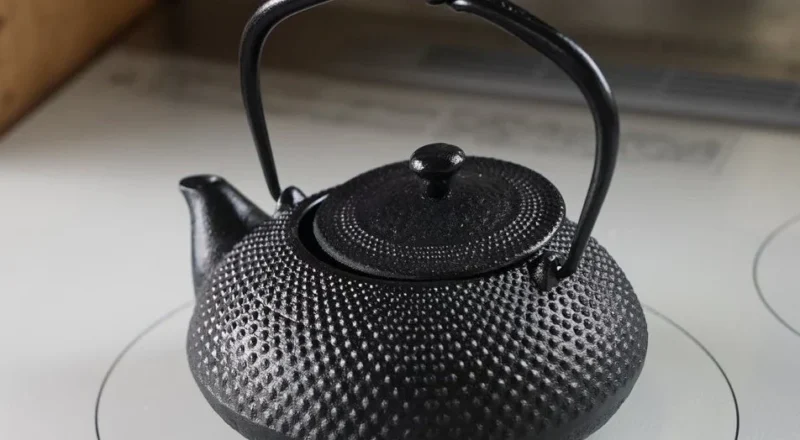
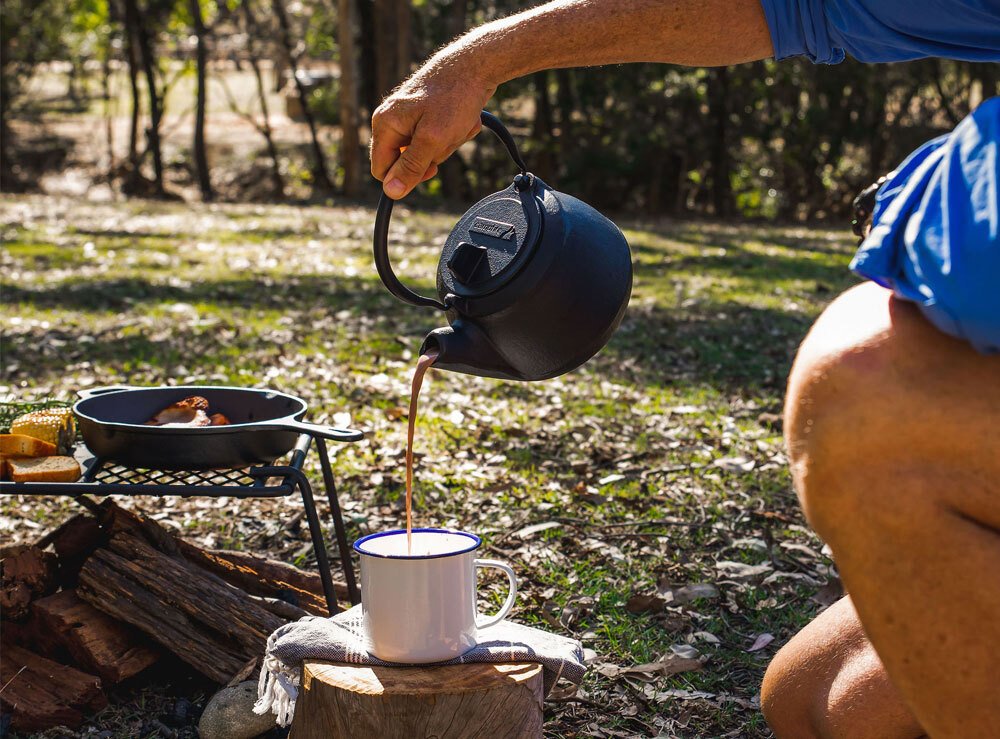
The foundation of any successful period cooking demonstration is the equipment. Selecting the right tools not only enhances authenticity but also ensures your setup is functional and safe. Cast iron pots, kettles, and skillets are staples for many eras, prized for their durability and heat retention. When sourcing cookware, look for pieces that match your chosen time period in both style and construction.
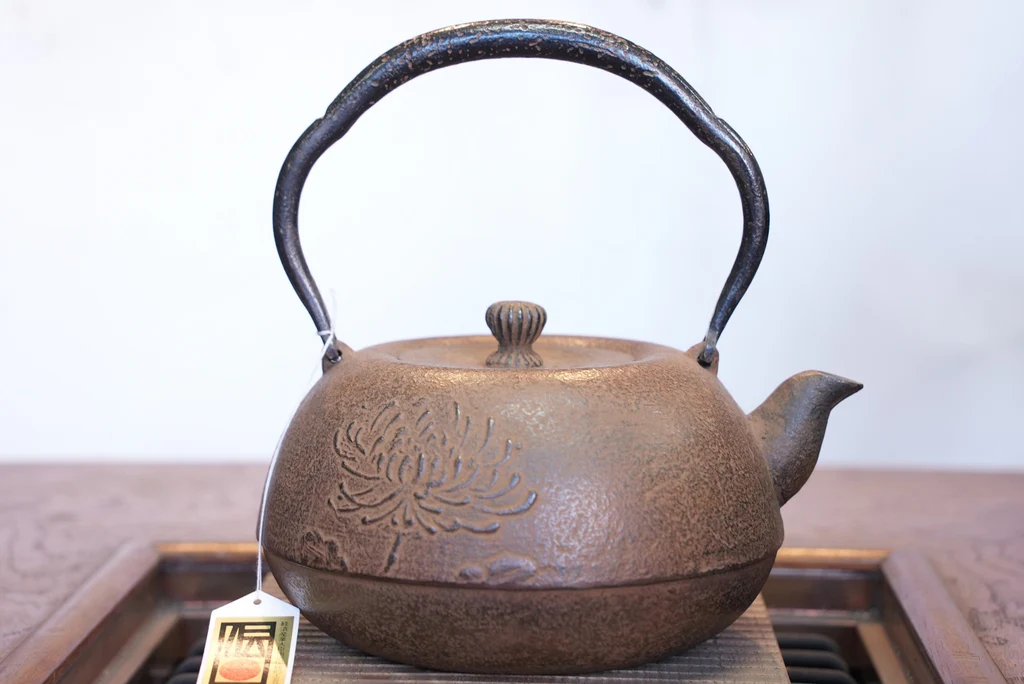
For those interested in the traditions of kettle-based cuisine, resources on cultural kettle cooking traditions can provide inspiration and guidance. Remember to consider the practicality of your choices—modern replicas may offer the look and feel of antiques while being easier to maintain and use safely in public settings.
Proper care is essential to keep your cast iron in top condition. Regular seasoning and cleaning will prevent rust and maintain a non-stick surface. For more on the health and maintenance benefits of cast iron, see this comprehensive guide to cast iron cooking.
Planning Your Living History Cooking Demonstration
Preparation is key to a smooth and engaging presentation. Start by researching recipes and cooking methods appropriate for your chosen era. Consider the following steps:
- Menu Selection: Choose dishes that are both representative of the period and feasible to prepare in your demonstration setting. Simple stews, breads, and roasted meats are often crowd-pleasers.
- Ingredient Sourcing: Whenever possible, use ingredients that would have been available in the historical context. However, be mindful of modern dietary restrictions and allergies.
- Script and Talking Points: Prepare a narrative that weaves together cooking techniques, historical context, and anecdotes. This keeps your audience engaged and provides educational value.
- Safety Planning: Ensure you have a safe cooking area, with fire extinguishers, water buckets, and first aid supplies on hand. Always follow site regulations regarding open flames and food handling.
Engaging Audiences During Historical Food Demonstrations
One of the main goals of living history cooking demonstrations is to educate and entertain. Creating a connection with your audience requires more than just following a recipe. Here are some strategies to keep visitors interested:
- Interactive Elements: Invite attendees to help with safe, simple tasks such as stirring, kneading dough, or grinding spices. This hands-on approach makes the experience memorable.
- Storytelling: Share stories about the people, places, and events related to the food you’re preparing. Discuss how meals were influenced by trade, technology, and social customs.
- Visual Appeal: Arrange your workspace neatly and display ingredients and tools attractively. Use period-appropriate serving vessels to enhance authenticity.
- Q&A Sessions: Encourage questions and be prepared to discuss both historical facts and practical cooking tips. This dialogue fosters curiosity and learning.
Maintaining Authenticity and Safety in Period Cooking
Striking a balance between historical accuracy and modern safety standards is crucial. While open fires and antique utensils add realism, they also introduce risks. Always prioritize the well-being of both participants and spectators. Use food-safe cleaning products, keep raw and cooked foods separate, and monitor fire at all times.
When using cast iron or other metal cookware, ensure it is properly seasoned and free from cracks or chips. For those interested in the evolution of cookware, exploring metal casting history can deepen your understanding and appreciation of the tools you use.
Remember that some historical ingredients or methods may not be suitable for modern audiences. Adapt recipes as needed, and always label foods that contain common allergens.
Tips for Successful Living History Cooking Events
To ensure your demonstration runs smoothly and leaves a lasting impression, consider these additional tips:
- Practice in Advance: Rehearse your recipes and timing before the event. This helps you anticipate challenges and refine your presentation.
- Prepare for the Elements: Outdoor events can be unpredictable. Bring shelters or covers for your cooking area, and have backup plans for rain or wind.
- Document Your Process: Take photos or notes during your demonstration. These can be valuable for future events or for sharing with fellow reenactors.
- Network with Other Interpreters: Connect with others who share your passion for historical foodways. You might discover new techniques or recipes, such as those featured in Eastern European kettle cooking traditions.
Finally, always be ready to adapt. Each audience and venue is unique, and flexibility will help you handle unexpected questions, weather, or equipment issues with confidence.
Frequently Asked Questions
What are the best foods to prepare for a historical cooking demonstration?
Simple, hearty dishes like stews, flatbreads, porridges, and roasted meats are ideal. These recipes are easy to scale, use period-appropriate ingredients, and can be cooked over open fires or basic stoves. Research the specific time period and region you’re representing to ensure authenticity.
How do I keep my cast iron cookware in good condition during events?
After each use, clean your cast iron with hot water and a stiff brush, avoiding soap when possible. Dry thoroughly and apply a thin layer of oil to prevent rust. For long events, bring a small care kit for touch-ups. For more detailed advice, consider a cast iron care kit to keep your cookware in top shape.
How can I make my demonstration more interactive for visitors?
Encourage audience participation by inviting them to help with safe tasks, such as stirring or seasoning. Offer samples when allowed, and engage visitors with stories, historical facts, and Q&A sessions. Displaying ingredients and tools for hands-on exploration also enhances engagement.


