
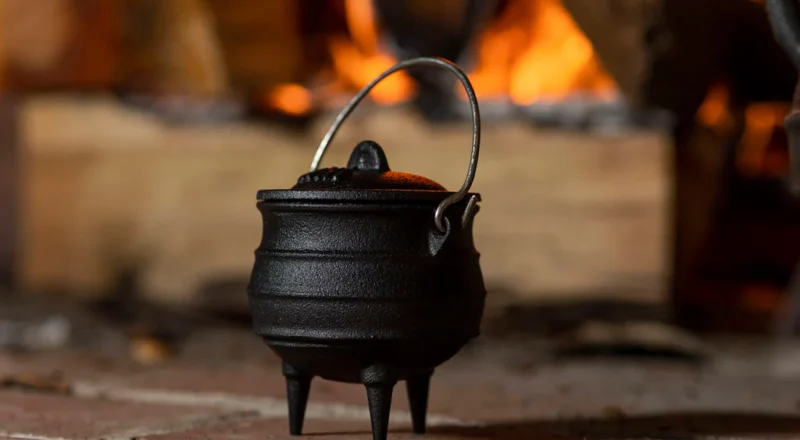
Across continents and centuries, the humble kettle has played a central role in shaping how communities prepare food. From open-fire stews to communal feasts, cultural kettle cooking traditions reflect not only culinary ingenuity but also the values and lifestyles of diverse societies. These time-honored practices have given rise to unique flavors, techniques, and social rituals that continue to inspire cooks today.
Whether it’s a cast iron pot suspended over glowing embers or a clay cauldron simmering with local ingredients, kettle-based cooking connects people to their heritage and to each other. In this article, we’ll explore how different cultures use kettles, the significance behind their methods, and how these traditions have evolved. For those interested in the historical development of cookware, the evolution of cooking vessels offers further insight into how pots and kettles have changed through history.
Origins and Evolution of Kettle Cooking
The use of kettles for cooking dates back thousands of years. Early societies crafted pots from clay, bronze, and later iron, adapting their designs to suit local resources and needs. These vessels were prized for their durability and versatility, allowing cooks to boil, stew, and braise a wide range of foods over open flames.
As metalworking advanced, cast iron kettles became especially popular in Europe and Asia. Their ability to retain and evenly distribute heat made them ideal for slow-cooked dishes. The communal aspect of kettle cooking—gathering around a fire to share a meal—remains a cherished tradition in many cultures. For a deeper look at the technological journey of these vessels, the article on metal casting history provides valuable context.
European Traditions: Stews, Soups, and Social Gatherings
In Europe, kettle-based dishes are at the heart of many regional cuisines. Hungarian goulash, Irish stew, and French pot-au-feu all rely on the gentle simmering action of a heavy pot. In Eastern Europe, the eastern european kettle cooking tradition is embodied by the bogrács—a round-bottomed cauldron used to prepare rich stews over an open fire. These gatherings are as much about community as they are about food, with recipes passed down through generations.
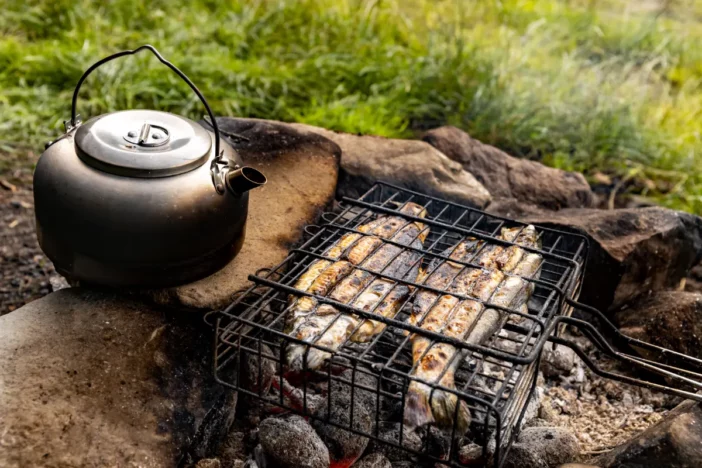
In Scandinavia, outdoor kettle cooking is a staple of midsummer festivals and family outings. Large iron pots are used to prepare fish soups and root vegetable stews, often flavored with wild herbs. The act of cooking outdoors, surrounded by nature, is integral to the experience.
Asian Approaches: Clay Pots and Herbal Brews
Asia boasts a rich tapestry of kettle-based culinary customs. In China, clay pots are used to create nourishing soups and herbal broths, believed to promote health and balance. The Japanese nabemono tradition involves cooking a variety of meats, seafood, and vegetables in a communal pot at the table, fostering togetherness and conversation.
In India, large iron or brass kettles—known as handis—are used to prepare biryanis and slow-cooked curries. These pots allow spices and flavors to meld, resulting in deeply aromatic dishes. The communal aspect is also evident in South Asian celebrations, where massive kettles are used to cook for weddings and festivals.

African and Middle Eastern Kettle Cooking Customs
Across Africa, communal pots are central to daily life and special occasions alike. In West Africa, cast iron or aluminum pots are used to prepare jollof rice, stews, and porridges. The process often involves slow simmering over wood fires, infusing dishes with smoky depth and complexity. In North Africa, tagines—cone-shaped clay pots—are used to braise meats and vegetables, capturing steam and returning moisture to the dish.
In the Middle East, large cauldrons are essential for preparing dishes like lamb stew, rice pilaf, and hearty soups. These meals are typically shared among extended families, reinforcing bonds and hospitality. The use of spices, herbs, and slow cooking techniques highlights the region’s rich culinary heritage.
American Variations: From Campfires to Modern Kitchens
In North America, kettle cooking is deeply linked to both indigenous and settler traditions. Native American tribes used clay and stone pots for stews and corn-based dishes, while early European settlers relied on cast iron kettles for everything from baking bread to boiling beans. The iconic Dutch oven, a descendant of these early pots, remains a favorite for outdoor and home cooking alike.
Today, kettle-based methods are enjoying a resurgence among outdoor enthusiasts and home cooks seeking authentic flavors. Fire pits and backyard cauldrons are used for everything from chili cook-offs to slow-cooked barbecue. For those interested in incorporating rustic elements into their outdoor spaces, ideas from rustic focal point landscaping can help create the perfect setting for communal meals.
Preserving and Adapting Kettle Cooking in the Modern World
While technology has introduced new ways to prepare food, the essence of kettle-based cooking endures. Many families continue to use traditional pots for special occasions, while others adapt old recipes for modern stoves and ovens. The popularity of slow cookers and multi-cookers reflects a desire to capture the depth of flavor and comfort that kettle dishes provide.
Caring for cast iron and other traditional kettles is essential for preserving their usefulness. For tips on selecting and maintaining these pots, resources like how to pick the best cast iron kettle offer practical advice. Proper care ensures that these vessels can be passed down, continuing the legacy of shared meals and stories.
Celebrating the Legacy of Communal Cooking
At its core, the practice of preparing food in a kettle is about more than sustenance—it’s about connection. Whether around a campfire, in a family kitchen, or at a festival, the act of gathering to cook and eat from a shared pot is a universal expression of hospitality and togetherness. As we rediscover and adapt these cultural kettle cooking traditions, we honor the generations who have come before and keep their stories alive at our own tables.
Frequently Asked Questions
What are the benefits of using traditional kettles for cooking?
Traditional kettles, especially those made from cast iron or clay, provide even heat distribution and excellent heat retention. This allows for slow, gentle cooking that enhances flavors and tenderizes ingredients. They are also durable and can last for generations with proper care.
How do different cultures season and maintain their cooking kettles?
Seasoning methods vary by region and material. Cast iron kettles are often seasoned with oil to prevent rust and build a non-stick surface. Clay pots may be soaked before use to prevent cracking. Many cultures have specific rituals or tips for cleaning and storing their kettles to ensure longevity.
Can modern cookware replicate the results of traditional kettle cooking?
While modern cookware like slow cookers and Dutch ovens can mimic some aspects of kettle-based cooking, the unique flavors imparted by open-fire methods and traditional materials are difficult to replicate exactly. However, adapting old recipes to new tools is a great way to keep these culinary traditions alive.


