

Vintage iron vessels, from ornate teapots to decorative urns, hold both historical value and unique charm. Over time, these items can lose their luster due to rust, grime, or neglect. Decorative iron vessel restoration is a rewarding process that not only preserves a piece of history but also allows you to enjoy these beautiful objects for years to come. Whether you’ve inherited a family heirloom or discovered a treasure at an antique market, restoring iron vessels can be straightforward with the right approach and tools.
Before diving into the restoration process, it’s helpful to understand the cultural and historical context of these items. Many decorative iron pieces have roots in metal casting history, reflecting centuries of craftsmanship and tradition. By caring for and reviving these vessels, you’re participating in a long-standing tradition of preservation and appreciation.
Understanding the Value of Vintage Iron Vessels
Antique iron vessels are more than just functional objects; they often represent artistry, cultural heritage, and family memories. Restoring these pieces can enhance their appearance, extend their lifespan, and even increase their value. Many collectors and enthusiasts seek out restored ironware for display or practical use, especially when the restoration process preserves original details and patina.
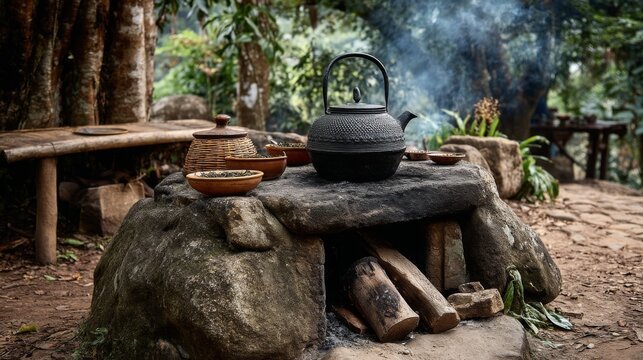
Some vessels, such as kettles or cauldrons, have played important roles in cultural kettle cooking traditions and communal gatherings. By restoring these items, you keep these traditions alive and honor the craftsmanship of previous generations.
Assessing Condition Before Starting Restoration
Before beginning any decorative iron vessel restoration project, it’s crucial to assess the vessel’s current state. Look for:
- Surface rust or deep pitting
- Cracks or structural damage
- Old paint, lacquer, or coatings
- Missing or loose decorative elements
If the vessel is structurally sound, most cosmetic issues can be addressed at home. However, if you notice severe cracks or missing parts, consider consulting a professional restorer to avoid further damage.
Step-by-Step Guide to Restoring Decorative Iron Vessels
Restoring a vintage iron vessel involves several stages, from cleaning to finishing. Here’s a practical approach to bring your piece back to life:
1. Cleaning and Removing Rust
Start by removing any loose dirt or debris with a soft brush. For surface rust, use a fine steel wool pad or a brass brush to gently scrub the affected areas. Avoid using harsh abrasives that could scratch decorative details. For stubborn rust, a mixture of equal parts white vinegar and water can help dissolve corrosion. Soak a cloth in the solution and apply it to the rusted spots, letting it sit for 30 minutes before scrubbing again.
After cleaning, rinse the vessel thoroughly and dry it completely to prevent new rust from forming. For intricate designs, use cotton swabs or a soft toothbrush to reach crevices.
2. Addressing Old Paint or Coatings
If your vessel has peeling paint or lacquer, remove it carefully. Use a paint stripper suitable for metal, following the manufacturer’s instructions. Always work in a well-ventilated area and wear gloves for protection. Once the old coating is removed, clean the surface again to eliminate residue.
3. Repairing Minor Damage
Small chips or pits can be filled with metal epoxy or putty designed for iron. After the filler cures, sand it smooth with fine-grit sandpaper. For decorative elements that have come loose, use a strong metal adhesive to reattach them securely.
4. Seasoning and Protecting the Surface
To prevent future rust and enhance the vessel’s appearance, apply a thin coat of food-safe mineral oil or a specialized cast iron conditioner. Buff the surface with a soft cloth until it shines. For vessels used in food preparation, seasoning with oil and gentle heat can create a natural protective layer. If you’re new to this process, refer to an introduction to cast iron care for step-by-step guidance.

Tips for Maintaining Restored Iron Vessels
Once your vessel is restored, regular maintenance will keep it looking its best. Here are some practical tips:
- Keep the vessel dry and store it in a low-humidity environment.
- Wipe down with a light coat of oil every few months to prevent oxidation.
- Avoid soaking iron vessels in water for extended periods.
- Handle with care to prevent chips or scratches, especially on decorative elements.
For those interested in the cultural significance of these items, exploring historic food serving methods can provide additional context and appreciation for your restored piece.
Common Challenges in Iron Vessel Restoration
While most restoration projects are straightforward, some challenges may arise:
- Deep rust or pitting: Severe corrosion may require professional sandblasting or welding.
- Missing parts: Finding matching handles or decorative pieces can be difficult, but antique shops or online marketplaces sometimes offer compatible replacements.
- Preserving patina: Many collectors value the original finish. Clean gently to avoid removing too much of the vessel’s character.
Patience and attention to detail are key. If in doubt, consult a restoration specialist, especially for rare or highly valuable items.
Frequently Asked Questions
What is the best way to remove rust from a decorative iron vessel?
The safest method is to use fine steel wool or a brass brush with gentle pressure. For stubborn rust, apply a mixture of white vinegar and water, let it sit, then scrub again. Always dry thoroughly after cleaning to prevent new rust from forming.
Can I restore an iron vessel with deep pitting or cracks?
Minor pits can be filled with metal epoxy, but deep pitting or structural cracks may require professional repair. Attempting to fix severe damage at home can worsen the problem, so seek expert advice for valuable or fragile pieces.
How do I maintain a restored iron vessel to prevent future rust?
Keep the vessel dry, apply a thin coat of mineral oil or cast iron conditioner regularly, and avoid prolonged exposure to moisture. Store in a cool, dry place and handle with care to preserve both the finish and structural integrity.
Conclusion
Restoring vintage iron vessels is a meaningful way to preserve history and enjoy the beauty of traditional craftsmanship. With careful cleaning, gentle repairs, and ongoing maintenance, these decorative pieces can continue to grace your home or collection for generations. Whether you’re inspired by outdoor hospitality traditions or the artistry of decorative iron vessel restoration, the process is both accessible and rewarding for enthusiasts at any skill level.


