
Across centuries and continents, the way people have presented and shared meals has evolved alongside cooking technology, social customs, and available materials. Exploring historic food serving methods offers a fascinating window into daily life, hospitality, and the ingenuity of our ancestors. From communal feasts around open fires to the formal table settings of medieval banquets, the traditions of serving food have shaped not only what people ate, but also how they connected with one another.
Understanding these traditions helps us appreciate the roots of modern dining and the cultural significance behind utensils, vessels, and serving rituals. Whether it was a rustic meal in a rural village or a grand celebration in a noble hall, the ways food was served reflected both necessity and artistry. For those interested in the evolution of cookware, the article on evolution of cooking vessels provides additional context on how pots and pans influenced serving styles over time.
Communal Eating: The Origins of Shared Meals
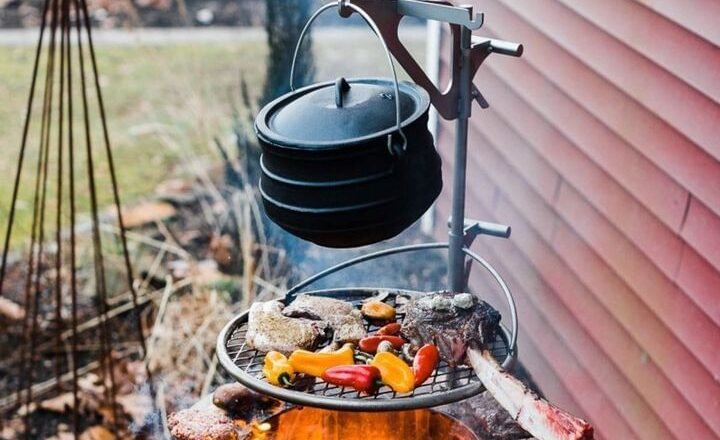
In early human societies, eating was a communal activity. Food was often cooked over open fires and served in large, shared vessels. People gathered around the hearth, dipping bread or using hands to scoop portions from a central pot. This approach was practical, especially when resources were limited and utensils scarce. The act of sharing from a common dish reinforced social bonds and a sense of community.
Many traditional cultures, such as those in Eastern Europe and Central Asia, maintained these practices for centuries. Large kettles or cauldrons were suspended over fires, and stews or porridges were ladled out for everyone to enjoy. For a closer look at these traditions, the resource on eastern european kettle cooking highlights the enduring legacy of communal kettle meals.
Materials and Utensils: From Wood to Metal
The choice of serving vessels and utensils was shaped by available materials and technological advances. Early serving dishes were crafted from wood, clay, or stone. Wooden trenchers—flat boards or shallow bowls—were common in medieval Europe, often shared between two diners. Clay pottery, fired in simple kilns, provided affordable and durable options for both cooking and serving.
With the advent of metalworking, bronze and later iron platters, spoons, and ladles became status symbols. Metal serving ware was prized for its durability and ability to retain heat. The metal casting history of ancient civilizations reveals how advances in metallurgy transformed not only cookware but also the aesthetics and function of serving tools.

Banquets, Feasts, and the Rise of Table Etiquette
As societies grew more complex, so did the rituals of serving food. In medieval Europe, grand feasts featured elaborate courses presented on platters and in ornate vessels. The lord’s table was set apart, often raised on a dais, and food was served by attendants. Dishes were brought out in procession, each course accompanied by ceremony and sometimes entertainment.
Table manners evolved alongside these customs. The use of individual plates, knives, and eventually forks signaled a shift toward personal dining space and hygiene. Napkins, salt cellars, and drinking cups became standard features at formal tables. These changes reflected both advances in craftsmanship and changing social values around hospitality and refinement.
Regional Variations in Historic Food Serving Methods
Different regions developed unique approaches to serving food, influenced by climate, resources, and cultural traditions. In Japan, for example, meals were presented in an array of small lacquered dishes, each highlighting a specific flavor or texture. In the Middle East, large platters of rice and meat were placed in the center of the table, encouraging sharing and conversation.
In rural Europe, the family table was often a simple wooden board, with food served in a single pot or bowl. Bread was used as both utensil and plate, soaking up juices and flavors. These regional differences illustrate the adaptability and creativity of people throughout history in making the most of what they had.
Preserving and Caring for Traditional Serving Ware
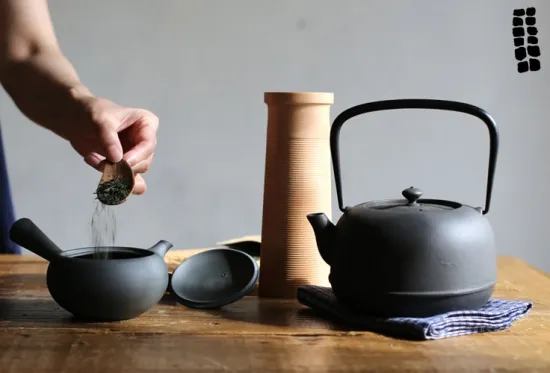
Many traditional serving vessels, especially those made of cast iron or seasoned metal, require special care to maintain their function and appearance. Proper seasoning and cleaning are essential to prevent rust and prolong the life of these historic items. For those interested in maintaining their own cast iron kettles or platters, this guide to seasoning a cast iron kettle offers practical advice on cleaning and restoring vintage cookware.
Modern enthusiasts often seek out antique serving pieces for their durability and charm. Whether used for display or for actual meals, these items connect us to the past and remind us of the enduring value of well-made tools.
Influence on Modern Table Settings
Many elements of today’s table settings have roots in the serving traditions of earlier eras. The use of serving platters, communal bowls, and specialized utensils all trace back to historic practices. Even the arrangement of plates, cutlery, and glasses at formal dinners echoes the etiquette developed in noble households centuries ago.
Contemporary interest in rustic dining, family-style meals, and heritage cookware reflects a renewed appreciation for the simplicity and warmth of historic food serving methods. By learning from the past, we can bring a sense of tradition and connection to our own tables.
Frequently Asked Questions
What materials were most commonly used for serving food in ancient times?
Early serving dishes were typically made from wood, clay, or stone, depending on what was locally available. As metalworking advanced, bronze, copper, and iron became popular for both cooking and serving, especially among wealthier households.
How did communal eating shape social interactions in historic societies?
Sharing food from a central vessel fostered a sense of community and equality. It encouraged conversation, cooperation, and the reinforcement of social bonds, especially in smaller or rural communities where resources were pooled.
Are there any modern practices inspired by historic food serving methods?
Yes, many family-style restaurants and home gatherings today use large platters or shared bowls, echoing the communal traditions of the past. The resurgence of cast iron cookware and interest in traditional table settings also reflect a desire to reconnect with historic ways of serving and enjoying food.


