
Antique cast iron and other heritage kitchenware have a special place in both culinary history and the hearts of collectors. These pieces are not only functional tools but also living artifacts that tell stories of generations past. Vintage cookware preservation is essential for anyone who wants to maintain the beauty, utility, and value of these treasured items. Whether you inherited a family skillet, found a rare kettle at a flea market, or simply appreciate the craftsmanship of old iron, learning to care for and protect these items ensures they can be enjoyed for years to come.
This article explores practical steps to maintain, restore, and store antique cast iron and similar cookware. We’ll also highlight common mistakes to avoid, discuss the importance of proper seasoning, and share resources for further learning. If you’re interested in the broader story of how cooking vessels have evolved, you might enjoy reading about the evolution of cooking vessels for more historical context.
Why Preserving Antique Cookware Matters
Old cast iron, copper, and tin-lined pots are more than just kitchen tools. They are tangible links to culinary traditions and craftsmanship that are often lost in modern manufacturing. Preserving these items helps maintain their functionality, prevents deterioration, and keeps their stories alive. Proper care can also enhance the performance of vintage pieces, making them a joy to use in contemporary kitchens.
Many collectors and home cooks appreciate the unique qualities of older cookware, such as the smooth cooking surfaces of pre-war cast iron or the ornate designs of hand-forged kettles. By practicing vintage cookware preservation, you ensure that these qualities are not lost to rust, neglect, or improper cleaning methods.
Cleaning Techniques for Antique Cast Iron
One of the most important aspects of caring for old cookware is cleaning it correctly. Unlike modern nonstick pans, antique cast iron should never be put in the dishwasher or soaked for long periods. Here’s how to clean your vintage pieces safely:
- Hand wash only: Use warm water and a gentle brush or sponge. Avoid harsh detergents, which can strip away seasoning.
- Remove stubborn residue: For stuck-on food, try scrubbing with coarse salt and a bit of water. This acts as a mild abrasive without damaging the surface.
- Dry thoroughly: After washing, dry the cookware immediately with a towel. To ensure all moisture is gone, place the piece on a low burner for a few minutes.
- Re-oil after cleaning: Apply a thin layer of food-safe oil to the surface while it’s still warm to prevent rust.
For more details on the history and technology behind iron cookware, you can explore the metal casting history and see how these techniques have evolved over centuries.

Restoring and Seasoning Old Cast Iron
Sometimes, vintage cookware arrives with rust, old seasoning, or grime that needs to be removed before it can be safely used. Restoration is an essential part of preserving antique cookware and can often bring a neglected piece back to life.
- Remove rust: Use fine steel wool or a wire brush to gently scrub away rust. For severe cases, a vinegar soak (diluted with water) can help, but don’t leave the piece in too long as it may damage the iron.
- Strip old seasoning: If the surface is sticky or flaking, strip it by baking the cookware upside down in an oven at 400°F (with a foil-lined rack below to catch drips). This burns off old oils and residue.
- Re-season: Once clean and dry, apply a thin coat of neutral oil (such as flaxseed, grapeseed, or canola). Bake at 400°F for an hour, then let cool. Repeat as needed for a strong, nonstick finish.
Regular seasoning not only prevents rust but also improves the cooking performance of your vintage pieces. If you’re interested in how these techniques relate to traditional cooking methods, the article on eastern european kettle cooking offers insights into how cast iron has been used across cultures.
Storing and Displaying Heritage Kitchenware
Proper storage is crucial for vintage cookware preservation. Even well-seasoned cast iron can develop rust if exposed to moisture or improper conditions. Here are some best practices:
- Keep dry: Store cookware in a dry area with good air circulation. Avoid stacking pieces directly on top of each other to prevent scratches and trapped moisture.
- Use protective liners: Place a paper towel or soft cloth between stacked pans to absorb humidity and prevent abrasion.
- Display with care: If you enjoy displaying your collection, choose locations away from direct sunlight and humidity. Wall mounts or open shelving can showcase your pieces while keeping them accessible.
For collectors who also appreciate garden antiques, you might find inspiration in the article on historic garden ornaments, which discusses preservation techniques for outdoor ironwork.
Common Mistakes to Avoid in Vintage Cookware Preservation
Even well-intentioned owners can make mistakes that harm their antique cookware. Here are some pitfalls to watch out for:
- Using soap or harsh chemicals: These can strip away seasoning and damage the metal.
- Leaving cookware wet: Moisture is the enemy of cast iron and will quickly lead to rust.
- Cooking acidic foods: Tomatoes and vinegar-based recipes can erode seasoning and react with the metal if the coating is thin.
- Storing with lids on: This traps moisture and can cause rust or mold.
By avoiding these mistakes, you help ensure your cookware remains in excellent condition for future generations.
Learning More and Connecting with Collectors
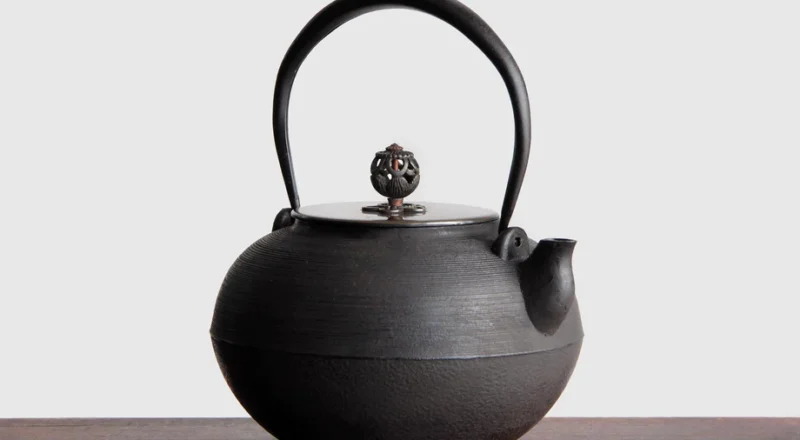
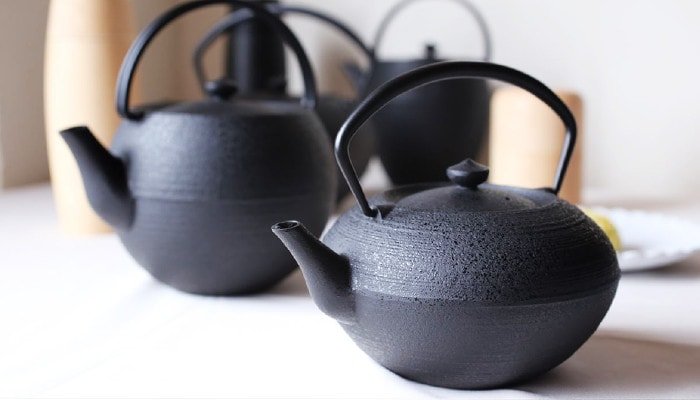
There’s a rich world of information and community around antique cookware. For those interested in Japanese iron kettles and teapots, this detailed guide to iron kettles and teapots offers valuable insights into care, history, and usage. Engaging with online forums, local antique shops, and collector groups can also deepen your knowledge and appreciation for these timeless kitchen tools.
Frequently Asked Questions
How often should I season my antique cast iron cookware?
It’s best to season your cookware whenever the surface looks dull or food begins to stick. For frequently used pieces, a light seasoning every few months is usually sufficient. If you notice rust or after a deep cleaning, re-season immediately.
Can I use modern oils to season vintage cookware?
Yes, most neutral, high-smoke-point oils like grapeseed, canola, or flaxseed work well for seasoning. Avoid using butter or olive oil, as they can become sticky or rancid over time.
What should I do if my antique cast iron develops rust?
Remove rust promptly with fine steel wool or a wire brush, then wash, dry, and re-season the piece. Addressing rust early prevents deeper pitting and preserves the integrity of your cookware.
Conclusion
Preserving antique cast iron and other heritage cookware is a rewarding process that combines practical care with a respect for history. By following the cleaning, restoration, and storage tips outlined here, you can ensure your vintage pieces remain beautiful and functional for years to come. Whether you’re a seasoned collector or just starting out, taking these steps will help you enjoy the unique qualities and rich stories that only old cookware can offer.


