
Adding character and a sense of history to your outdoor spaces is easier than you might think. Historic garden ornaments have long been cherished for their ability to bring elegance, charm, and a story to any landscape. Whether you’re restoring a traditional property or simply want to infuse your yard with a touch of the past, these classic accents offer both beauty and meaning. From weathered statues to timeworn urns, each piece can transform a simple garden into a place of reflection and delight.
Many homeowners and garden enthusiasts are drawn to these enduring features for their craftsmanship and the sense of permanence they provide. Unlike modern, mass-produced décor, historic accents often showcase unique artistry and materials that have stood the test of time. In this article, we’ll explore the origins, types, and practical tips for incorporating these treasures into your own landscape, ensuring your yard stands out with a distinctive, timeless appeal.
For those interested in the evolution of outdoor décor and tools, the evolution of cooking vessels offers fascinating insights into how functional objects became decorative centerpieces in gardens and yards over the centuries.
The Enduring Appeal of Antique Garden Accents
What makes historic garden ornaments so captivating? Much of their allure lies in their ability to connect us to the past. These pieces often reflect the design sensibilities of different eras—Victorian, Georgian, or even ancient Roman influences. Their patina, wear, and sometimes mossy surfaces tell a story that new items simply cannot replicate.
Collectors and gardeners alike value these objects for their authenticity and the sense of continuity they bring. Whether it’s a weathered sundial, a carved stone bench, or a wrought iron gate, each item serves as a tangible link to previous generations. This connection to history not only enhances the atmosphere of your garden but also provides a sense of stewardship, as you preserve and display a piece of cultural heritage.
Popular Types of Historic Garden Ornaments
There is a wide range of classic outdoor accents to consider, each with its own unique charm and function. Some of the most sought-after types include:
- Stone Statues and Sculptures: Figures of animals, mythological beings, or historical figures are common, often crafted from limestone, marble, or granite.
- Urns and Planters: Large, ornate containers made from terracotta, cast iron, or stone, perfect for displaying seasonal flowers or small shrubs.
- Sundials and Birdbaths: Functional yet decorative, these items serve as focal points while attracting wildlife and adding a sense of tranquility.
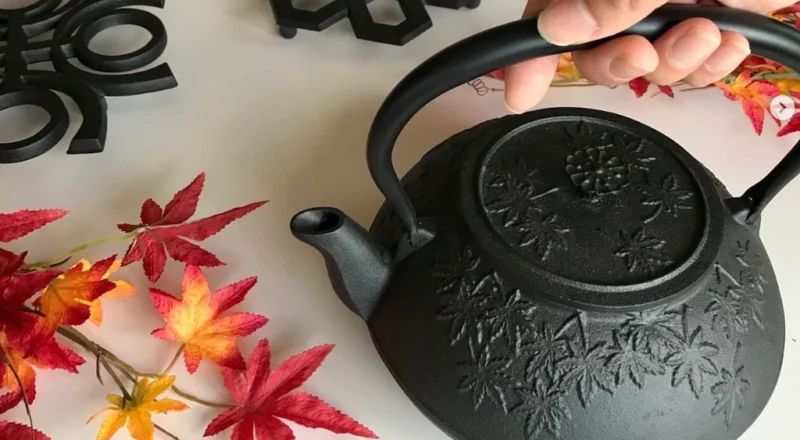
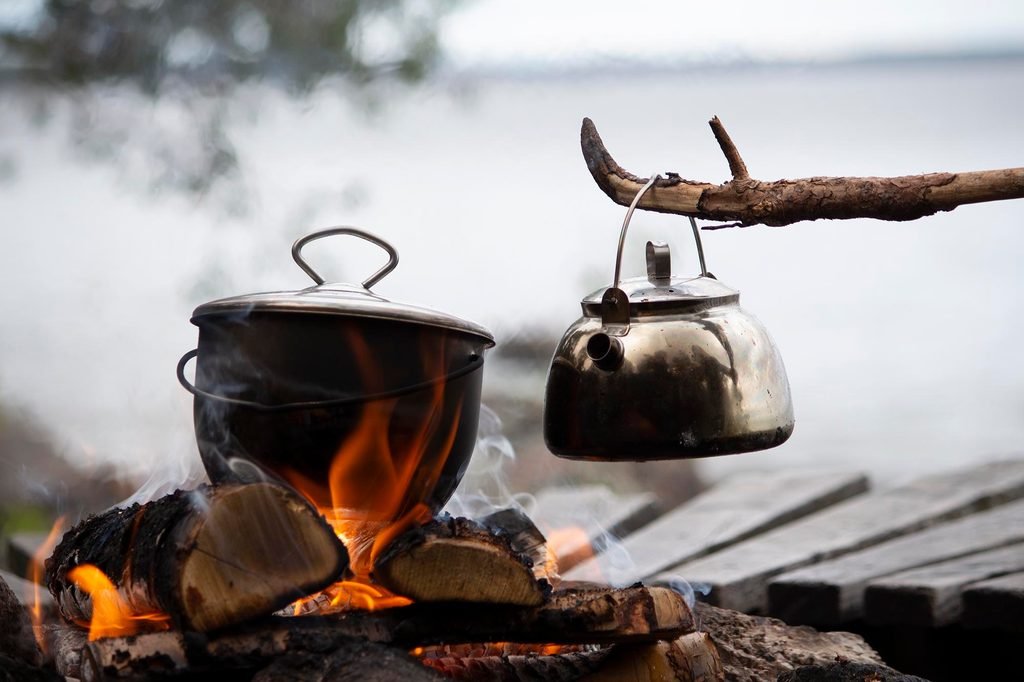
- Cast Iron Kettles and Cauldrons: Once used for cooking or heating water, these robust vessels now make striking planters or water features.
- Garden Benches and Seats: Classic seating options, often featuring intricate carvings or wrought ironwork, invite relaxation and contemplation.
Each of these elements can be used individually or combined to create a layered, visually interesting landscape that feels both curated and organic.
Incorporating Classic Ornaments into Your Landscape
Successfully integrating timeless garden accents into your yard requires a thoughtful approach. Here are a few practical tips to help you achieve a harmonious look:
- Choose a Focal Point: Select one or two statement pieces, such as a large urn or a sculpted figure, to serve as the centerpiece of your design.
- Consider Scale and Proportion: Match the size of your ornaments to the scale of your garden. Oversized pieces can overwhelm small spaces, while delicate items may get lost in larger areas.
- Blend Old and New: Don’t be afraid to mix antique elements with contemporary landscaping. The contrast can highlight the beauty of both.
- Let Nature Take Its Course: Allow moss, lichen, or weathering to develop naturally on stone and metal surfaces. This enhances the sense of age and authenticity.
- Placement Matters: Position ornaments where they can be discovered gradually, such as along winding paths or nestled among plantings, to create a sense of surprise and delight.
For those who enjoy outdoor entertaining, incorporating these features alongside rustic event catering equipment can create a cohesive and inviting atmosphere for gatherings and celebrations.
Materials and Maintenance of Historic Yard Features
The durability and appearance of historic garden ornaments depend largely on their materials. Stone, cast iron, terracotta, and bronze are among the most common. Each material has its own care requirements:
- Stone: Clean gently with water and a soft brush. Avoid harsh chemicals that can erode the surface or damage patina.
- Cast Iron: To prevent rust, keep iron pieces dry when possible and apply a protective wax or oil. If you’re curious about the best metals for outdoor kettles and cauldrons, this guide to kettle materials provides helpful information.
- Terracotta: Protect from frost by moving indoors during winter or sealing the surface to prevent cracking.
- Bronze: Allow a natural patina to develop, cleaning only as needed to maintain desired appearance.
Regular maintenance not only preserves the beauty of these pieces but also ensures they remain safe and stable for years to come.
Where to Find Authentic Period Pieces
Finding genuine antique garden décor can be a rewarding process. Reputable sources include architectural salvage yards, antique shops, estate sales, and specialized online retailers. When shopping, look for signs of age such as natural wear, weathering, and original maker’s marks. Be cautious of reproductions if authenticity is important to you, though well-made replicas can still offer the desired aesthetic at a lower cost.
Visiting local historic homes or gardens can also provide inspiration and occasionally opportunities to purchase deaccessioned items. Networking with other enthusiasts and joining garden clubs may lead to unique finds and valuable advice on sourcing and caring for your collection.
Benefits of Adding Historic Accents to Your Yard
Integrating historic garden ornaments into your landscape offers several advantages beyond their visual appeal:
- Unique Character: No two antique pieces are exactly alike, ensuring your garden stands out.
- Increased Property Value: Well-chosen, quality ornaments can enhance curb appeal and attract buyers who appreciate distinctive features.
- Environmental Sustainability: Reusing and repurposing older items reduces waste and supports eco-friendly landscaping practices.
- Personal Enjoyment: These accents create a peaceful, contemplative environment, perfect for relaxation and reflection.
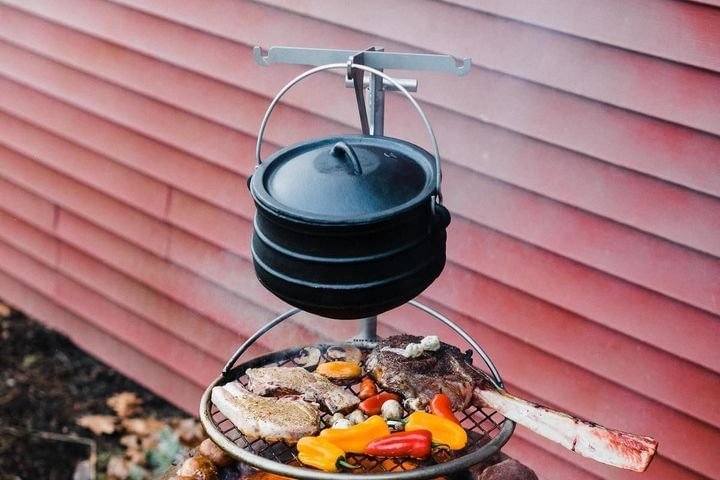
For those who enjoy outdoor cooking or entertaining, pairing classic garden features with setups like broth making over fire pits can further enhance your yard’s functionality and charm.
FAQ
How can I tell if a garden ornament is truly historic?
Authentic period pieces often show signs of age such as natural wear, patina, and sometimes maker’s marks or inscriptions. Consulting with reputable dealers or appraisers can help verify authenticity. Be wary of artificially aged reproductions if you’re seeking genuine antiques.
Are historic garden ornaments suitable for all climates?
Most classic outdoor accents are made from durable materials like stone or metal, but some—such as terracotta—may require protection in freezing climates. Always consider your local weather conditions and take steps to protect more fragile items during harsh seasons.
What is the best way to maintain antique cast iron garden features?
Keep cast iron pieces clean and dry to prevent rust. Applying a protective wax or oil can help maintain their finish. For more information on caring for metal items, refer to resources like the guide to kettle materials for tips on preservation and maintenance.
Incorporating historic garden ornaments into your landscape is a rewarding way to celebrate craftsmanship, history, and personal style. With thoughtful selection and care, these timeless accents can transform any yard into a space rich with character and enduring beauty.


