
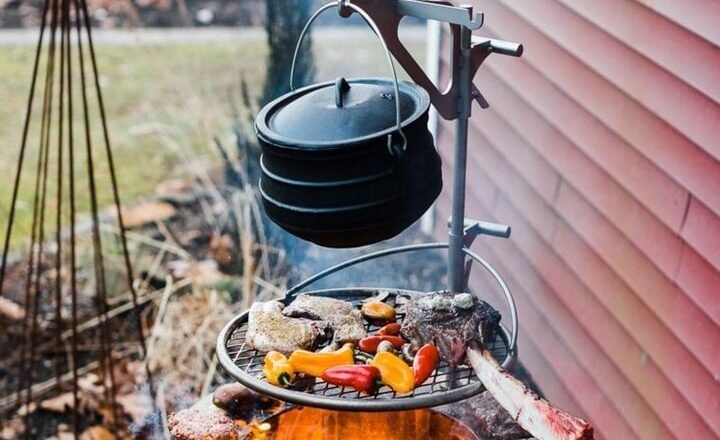
When it comes to outdoor cooking, few debates are as enduring as the choice between cast iron vs steel cooking vessels. Both materials have a long history in kitchens and campsites, each offering unique benefits and drawbacks. Whether you’re simmering a stew over a campfire or searing steaks on a grill, the type of cookware you choose can make a significant difference in your results. Understanding the differences between cast iron and steel is essential for anyone who loves to cook with fire.
This guide will break down the key characteristics, pros, and cons of each material. We’ll also explore which vessel is better suited for various cooking techniques, maintenance tips, and how their history shapes their modern use. If you’re interested in the evolution of cookware, you might enjoy reading about the evolution of cooking vessels for more context on how these materials became staples in fire-based cooking.
Material Properties: Heat Retention and Responsiveness
The performance of any cooking vessel over fire is largely determined by its material properties. Cast iron is renowned for its exceptional heat retention. Once heated, it maintains a steady temperature, making it ideal for slow-cooked dishes and even browning. However, it takes longer to heat up and cool down, which can be a disadvantage if you need to adjust temperatures quickly.
Steel cookware, especially carbon steel, is much more responsive to changes in heat. It heats up and cools down rapidly, giving cooks more control over temperature. This makes steel a favorite for tasks like sautéing or stir-frying, where quick adjustments are important. However, steel doesn’t hold heat as long as cast iron, which can be a drawback for dishes that require consistent, prolonged cooking.
Durability and Longevity in Outdoor Cooking
Both cast iron and steel are highly durable, but they age differently. Cast iron cookware is extremely tough and, with proper care, can last for generations. It’s less likely to warp over high heat, making it perfect for direct fire cooking. However, it is brittle and can crack if dropped or subjected to sudden temperature changes.
Steel vessels, while durable, are more prone to warping under intense heat. They’re lighter and less brittle, so they can handle bumps and knocks better than cast iron. However, they may not last as long if regularly exposed to the extreme conditions of open fire without proper maintenance.

Cooking Performance: Flavor, Versatility, and Results
When comparing cast iron vs steel cooking vessels for flavor and versatility, both have their strengths. Cast iron develops a natural non-stick surface when seasoned, which is excellent for frying, baking, and slow-cooking. The seasoning also imparts subtle flavors to food, which some cooks prize. Its ability to retain heat makes it perfect for searing meats and baking breads or cobblers over a fire.
Steel pans, particularly carbon steel, are favored for their lighter weight and versatility. They excel at high-heat, quick-cooking methods like stir-frying and sautéing. While they can also be seasoned for some non-stick properties, the seasoning is generally thinner and more prone to wear. Steel’s lighter weight makes it easier to handle, especially when cooking over a campfire or grill.
If you’re interested in traditional outdoor cooking methods, you might find inspiration in eastern european kettle cooking, which often uses both materials for hearty stews and soups.
Maintenance and Care: Keeping Your Cookware in Top Shape
Proper care is essential for both cast iron and steel cookware, especially when used over fire. Cast iron requires regular seasoning to maintain its non-stick surface and prevent rust. Cleaning should be gentle—avoid soap and never leave it wet. For a comprehensive guide on caring for enameled cast iron, see this comprehensive guide to cooking with enameled cast iron cookware.
Steel cookware also benefits from seasoning, though it’s less forgiving than cast iron. It should be dried thoroughly after washing to prevent rust. Because steel is more reactive, acidic foods can strip away seasoning faster, requiring more frequent maintenance.
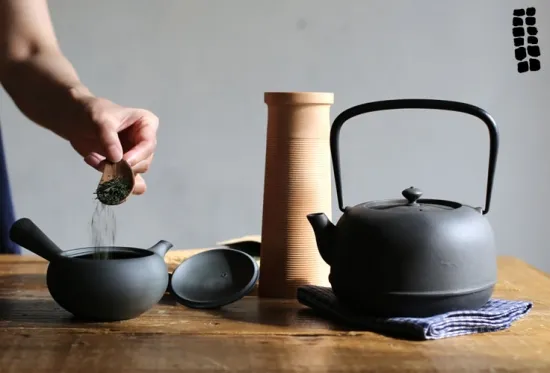
Weight, Portability, and Practical Considerations
Weight is a major factor, especially for campers and outdoor cooks. Cast iron is significantly heavier than steel, which can make it cumbersome to transport and handle. For car camping or backyard grilling, this may not be an issue, but for backpackers or those with limited space, steel’s lighter weight is a clear advantage.
Steel pans and pots are easier to pack and carry, making them a favorite for hiking and minimalist setups. However, their lighter construction means they may not perform as well for certain tasks, such as baking or slow-cooking, where heat retention is key.
Cost and Availability
Both cast iron and steel cookware are widely available, but there are differences in price and selection. Cast iron is often more affordable, especially for basic skillets and Dutch ovens. Many reputable brands offer high-quality options that are accessible to most budgets. Steel cookware, particularly high-quality carbon steel, can be more expensive, but the price reflects its versatility and lighter weight.
Vintage and specialty pieces in both materials can command higher prices, especially those with unique designs or historical significance. If you’re interested in the background of these materials, the metal casting history article provides fascinating insights into how these vessels evolved.
Which Vessel Is Best for Cooking Over Fire?
Choosing between cast iron and steel for fire-based cooking depends on your needs. For slow-cooked meals, baking, and dishes that benefit from steady, even heat, cast iron is hard to beat. Its durability and heat retention make it a classic choice for campfire stews, breads, and roasts.
For quick, high-heat cooking, portability, and versatility, steel cookware shines. It’s easier to handle, faster to heat, and perfect for stir-fries, eggs, and sautéed dishes. Many outdoor cooks keep both types on hand, using each for its strengths depending on the meal and setting.
Frequently Asked Questions
Is cast iron or steel better for campfire cooking?
Both materials have their place in campfire cooking. Cast iron excels at slow-cooked meals and baking, thanks to its heat retention. Steel is better for quick-cooking and when portability is a priority. The best choice depends on your preferred cooking style and the types of dishes you plan to make.
How do I prevent rust on cast iron and steel cookware?
Seasoning is key for both materials. After each use, clean the cookware, dry it thoroughly, and apply a thin layer of oil. Store in a dry place. Avoid soaking or leaving either material wet, as moisture promotes rust.
Can I use acidic foods in cast iron or steel pans?
Acidic foods like tomatoes can strip seasoning from both cast iron and steel. Occasional use is fine, but frequent cooking of acidic dishes may require more regular re-seasoning. Enameled cast iron is less reactive and better suited for acidic recipes.
Conclusion
The decision between cast iron and steel cooking vessels for fire comes down to your cooking needs, preferences, and how you plan to use them. Cast iron offers unmatched heat retention and durability for traditional campfire meals, while steel provides flexibility, lighter weight, and quick heating for more dynamic cooking styles. With proper care, both can serve you well for years of outdoor adventures and home-cooked meals.


