
The evolution of cooking vessels is a story that mirrors human progress, innovation, and adaptation. From the earliest clay pots to modern cast iron and stainless steel cookware, the journey of pots and pans reveals much about how people have cooked, eaten, and lived throughout the ages. Each material and design reflects the needs, resources, and creativity of its time, shaping the way meals were prepared and shared.
Understanding how pots have transformed over centuries not only highlights technological advancements but also deepens our appreciation for the tools we use daily in our kitchens. Whether simmering stews over open flames or crafting elaborate feasts, the vessels chosen have always played a crucial role in the outcome and flavor of food. For those interested in historic outdoor cooking, exploring broth making over fire pits offers a glimpse into traditional methods that relied on robust, adaptable cookware.
From Clay to Bronze: The Earliest Pots
The first known cooking vessels were made from clay, shaped by hand, and fired over open flames. These simple pots date back to the Neolithic era, around 10,000 BCE. Early humans discovered that clay could be molded and hardened, making it ideal for holding water and cooking food over fire. The porous nature of these pots allowed for slow, even heating, perfect for stews and soups.
As civilizations advanced, so did pottery techniques. Glazing was introduced to make pots less porous and more durable. In regions like Mesopotamia, Egypt, and China, pottery became an art form, with intricate designs and shapes tailored to specific cooking needs. The transition from clay to metal marked a significant leap. Bronze and copper pots, appearing around 3000 BCE, offered improved heat conduction and durability, allowing for more varied cooking techniques.
Iron and Cast Iron: A New Era of Durability
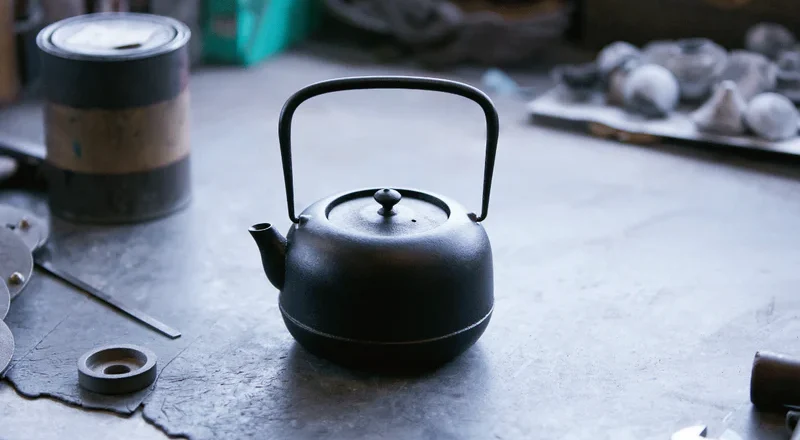
With the Iron Age came the widespread use of iron and, eventually, cast iron for cookware. These materials revolutionized the kitchen, offering unmatched strength and the ability to withstand direct flames. Cast iron, in particular, became a staple in many cultures due to its versatility and longevity. It could be used for frying, baking, boiling, and even roasting, making it a favorite for both home cooks and professional chefs.
For those interested in the practicalities and care of cast iron, resources like this introduction to cast iron cookware provide valuable insights. The evolution of cooking vessels during this period was marked by increased efficiency and the ability to prepare a wider range of dishes, from hearty stews to baked breads.

Medieval and Renaissance Innovations in Pot Design
During the medieval period, cooking vessels continued to evolve, reflecting changes in society and technology. Pots were often suspended over open hearths, requiring sturdy handles and hooks. Materials like brass and tin were introduced, each offering unique benefits for different types of cooking. The development of lids helped retain moisture and flavor, while new shapes emerged to suit specific recipes and regional cuisines.
Authentic gear from this era can still be seen in historical reenactments and is discussed in detail in guides on medieval feast cookware. The evolution of cooking vessels during these centuries was closely tied to communal meal preparation, with large cauldrons and kettles serving entire households or communities.
Industrial Revolution: Mass Production and New Materials
The Industrial Revolution brought dramatic changes to the world of cookware. Advances in manufacturing allowed for the mass production of pots and pans, making them more affordable and accessible. Enamel-coated cast iron, aluminum, and later stainless steel became popular choices, each offering distinct advantages in terms of heat distribution, weight, and ease of cleaning.
These innovations coincided with changes in cooking habits, as more people moved to urban areas and kitchens became smaller and more specialized. The variety of available cookware expanded, allowing home cooks to choose vessels tailored to their preferred cooking methods, from quick sautés to slow braises.
Modern Trends: Stainless Steel, Nonstick, and Sustainability
Today, the evolution of cooking vessels continues with a focus on convenience, health, and sustainability. Stainless steel is prized for its durability and resistance to corrosion, while nonstick coatings make cleanup easier and allow for healthier cooking with less oil. Innovations in materials, such as ceramic and silicone, have expanded the range of options available to home cooks and professionals alike.
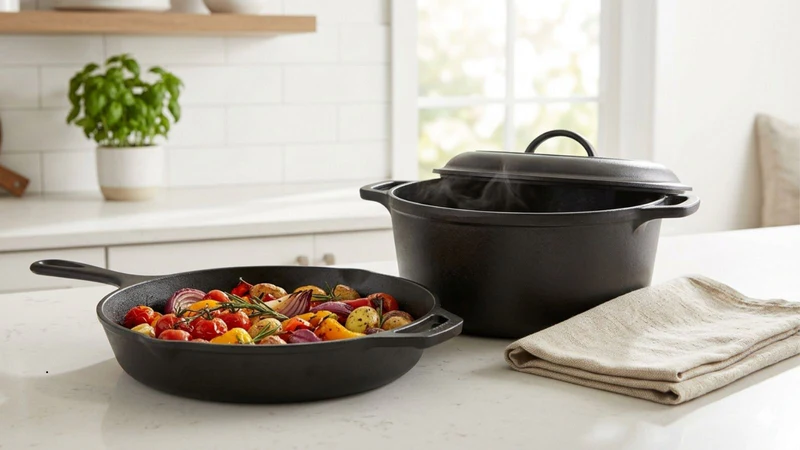
There is also a renewed interest in traditional materials like cast iron, celebrated for their longevity and unique cooking properties. Many cooks are rediscovering the benefits of well-seasoned cast iron pans, which can last for generations with proper care. For those passionate about outdoor or communal cooking, exploring communal meal cooking methods highlights how large, sturdy vessels remain essential for feeding groups over open flames.
How Cooking Vessels Reflect Culture and Community
The transformation of pots and pans is not just about technology—it also reflects cultural traditions and social changes. In many societies, the type of cookware used is closely linked to local ingredients, climate, and communal practices. For example, large cauldrons were central to gatherings and feasts, while smaller, specialized pots emerged as families became more nuclear and kitchens more individualized.
Events such as outdoor feasts and rustic celebrations often feature traditional cookware, as discussed in resources on rustic event catering equipment. These gatherings showcase the enduring importance of well-crafted vessels in bringing people together around food.
Preserving and Caring for Historic Cookware
As interest in vintage and traditional cookware grows, so does the need for proper care and maintenance. Cast iron, in particular, requires regular seasoning to maintain its nonstick surface and prevent rust. Using the right cleaning products and techniques ensures that these vessels remain functional and beautiful for years to come. For those looking to maintain their cast iron collection, a care kit can be an invaluable tool.
Learning about the history and proper upkeep of cookware not only preserves these tools but also connects us to generations of cooks who relied on them. Whether inherited or newly acquired, each pot tells a story of meals shared and traditions passed down.
Frequently Asked Questions
What were the first materials used for cooking pots?
The earliest cooking pots were made from clay, shaped and fired to create durable vessels. As technology advanced, materials like bronze, copper, and eventually iron became common, each offering unique benefits for different cooking methods.
Why is cast iron still popular today?
Cast iron is valued for its durability, heat retention, and versatility. It can be used on various heat sources, including open flames and ovens, and with proper care, it can last for generations. Many cooks appreciate the flavor and texture it imparts to food.
How do I care for traditional cookware like cast iron?
To maintain cast iron, it should be seasoned regularly with oil and cleaned gently without harsh detergents. Avoid soaking it in water for long periods, and dry it thoroughly after washing. Using a dedicated care kit can help preserve its nonstick surface and prevent rust.


