
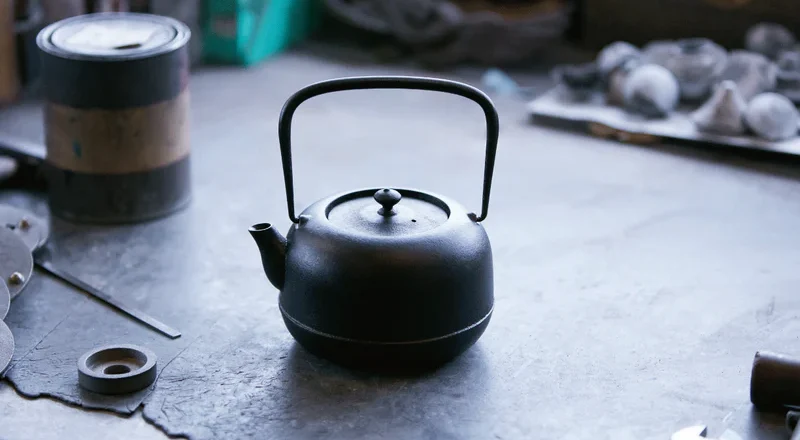
Cast iron is known for its durability and timeless appeal, but exposure to moisture—especially rain—can quickly lead to rust and long-term deterioration. Whether you use cast iron cookware, garden ornaments, or outdoor fire pits, understanding how to shield these items from the elements is essential for preserving their function and appearance. In this guide, you’ll learn practical steps for protecting cast iron from rain, discover why rust forms, and get expert tips for keeping your cast iron in top condition year-round.
Before diving into protective methods, it’s helpful to understand the unique properties of cast iron and why it’s so susceptible to rust. If you’re interested in the historical evolution of these materials, you might enjoy reading about the metal casting history and how cast iron became a staple in both kitchens and gardens.
Why Cast Iron Rusts When Exposed to Rain
Cast iron is made primarily of iron, which reacts with water and oxygen to form rust (iron oxide). Even a brief exposure to rain or high humidity can start this process. Unlike stainless steel, cast iron lacks protective alloys, making it more vulnerable to corrosion. The rough, porous surface of cast iron also traps moisture, accelerating rust formation if left unprotected.
For those who use cast iron outdoors—such as in garden décor or cooking kettles—rain is the most common culprit behind rust damage. Regular maintenance and preventive measures are crucial to ensure your investment lasts for generations.
Best Practices for Shielding Cast Iron From Moisture
There are several effective strategies for shielding cast iron from rain and minimizing the risk of rust:
- Store Indoors When Possible: The simplest way to avoid rain damage is to bring cast iron items inside during wet weather. For large or permanent fixtures, consider using covers or shelters.
- Apply a Protective Coating: Seasoning with oil creates a barrier that repels water. For cookware, this is typically done by applying a thin layer of vegetable oil and heating it until it bonds to the metal. For outdoor items, specialized rust-preventive sprays or paints can be used.
- Keep Surfaces Dry: After use or cleaning, dry cast iron thoroughly with a towel and allow it to air dry completely before storing.
- Regular Maintenance: Inspect your items frequently for signs of rust or wear. Addressing small spots early prevents larger problems later.

Seasoning: The Key to Rain Protection for Cast Iron
Seasoning is a process where oil is baked onto the surface of cast iron, creating a natural, food-safe barrier that resists water and rust. This technique is essential for cookware but is also beneficial for outdoor cast iron items. Here’s how to properly season your cast iron:
- Clean the item thoroughly, removing any old rust or debris.
- Apply a thin, even layer of high-smoke-point oil (such as flaxseed, grapeseed, or vegetable oil).
- Heat the item in an oven or over a fire to bond the oil to the metal. For cookware, 350–450°F (175–230°C) for one hour is typical.
- Allow to cool and repeat as needed for a strong, even coating.
For more detailed advice on choosing the right cast iron for your needs, see this comprehensive guide to picking the best cast iron kettle.
Outdoor Cast Iron: Special Considerations for Rainy Climates
Garden ornaments, fire pits, and decorative pieces made from cast iron are especially vulnerable to rain. Here are some additional steps to consider:
- Use Weatherproof Covers: Custom-fit covers keep rain off your cast iron when not in use.
- Elevate Items: Place cast iron on bricks or stands to prevent direct contact with wet ground.
- Apply Outdoor-Grade Sealants: For non-cooking items, clear sealants or rust-inhibiting paints add another layer of protection.
- Inspect After Storms: Check for pooling water or new rust spots after heavy rain and address them promptly.
If you appreciate the aesthetic of vintage garden pieces, you might also enjoy exploring historic garden ornaments and how to care for them through the seasons.
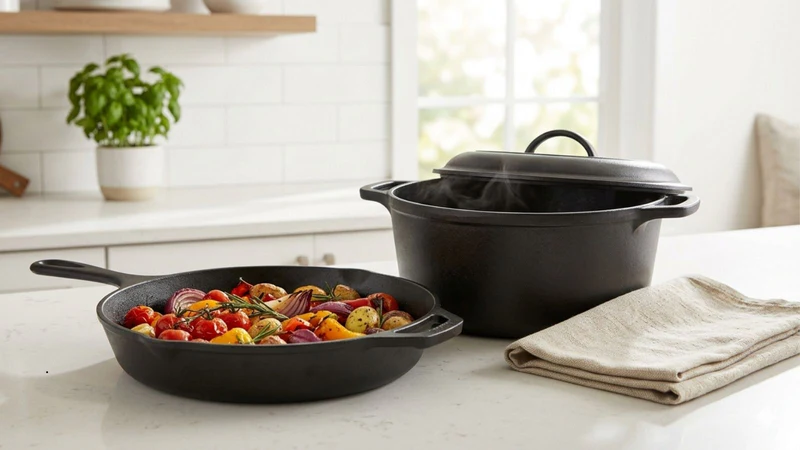
How to Remove Rust and Restore Cast Iron
Even with the best precautions, rust can sometimes develop. Fortunately, it’s usually possible to restore cast iron to its former glory:
- Scrub Off Rust: Use steel wool or a stiff brush to remove loose rust. For stubborn spots, a paste of baking soda and water can help.
- Soak in Vinegar: For severe rust, soak the item in a 50/50 solution of vinegar and water for up to an hour, then scrub and rinse thoroughly.
- Dry Completely: After cleaning, dry the item immediately and thoroughly to prevent new rust from forming.
- Re-season: Once rust is removed, reapply oil and heat to restore the protective layer.
Consistent care and prompt attention to rust spots will keep your cast iron functional and attractive for years to come.
Additional Tips for Long-Term Cast Iron Care
To ensure your cast iron remains in excellent condition, consider these ongoing maintenance tips:
- Avoid Soaking: Never leave cast iron soaking in water, as this accelerates rusting.
- Use Mild Soaps: If cleaning is necessary, use gentle soaps and avoid harsh detergents or abrasive cleaners.
- Handle With Care: Prevent chips or cracks that can expose more metal to moisture.
- Store in a Dry Place: If possible, store cast iron in a warm, dry area with good air circulation.
For those interested in the cultural and historical context of cast iron, the article on eastern european kettle cooking offers fascinating insights into traditional uses and maintenance practices.
Frequently Asked Questions
Can I Leave Cast Iron Outside in the Rain?
Leaving cast iron outdoors during rain is not recommended. Even a short period of exposure can lead to rust. If outdoor storage is unavoidable, use weatherproof covers and apply protective coatings to minimize moisture contact.
What Is the Best Oil for Seasoning Cast Iron?
High-smoke-point oils such as flaxseed, grapeseed, or vegetable oil are ideal for seasoning. These oils polymerize well, creating a durable, water-resistant layer that helps in protecting cast iron from rain and humidity.
How Often Should I Re-season My Cast Iron?
Frequency depends on use and exposure. For cookware, re-season after every few uses or whenever the surface looks dull. Outdoor items should be checked and re-seasoned at least once per season, or more often in rainy climates.
Can Rusty Cast Iron Be Saved?
Yes, most rusted cast iron can be restored with scrubbing, cleaning, and re-seasoning. Severe rust may require more intensive treatment, but as long as the item is structurally sound, it can usually be brought back to life.
Conclusion
Taking steps to shield your cast iron from rain and moisture is essential for preventing rust and ensuring longevity. By storing items properly, applying protective coatings, and maintaining regular care routines, you can enjoy the beauty and utility of cast iron for many years. Whether you use it for cooking, decoration, or outdoor gatherings, a little attention goes a long way in keeping your cast iron in prime condition.


