
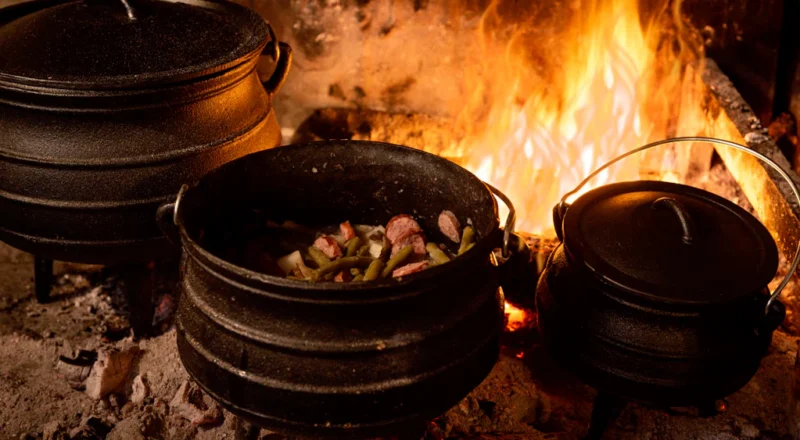
Across centuries and cultures, the art of traditional feast preparation has brought communities together to celebrate, honor, and nourish. Preparing a large meal for many guests is no simple task—it requires careful planning, time-honored techniques, and a deep understanding of ingredients and tools. While modern kitchens offer convenience, ancient methods reveal secrets that can still elevate communal dining today. This article explores the essential steps, utensils, and wisdom that have shaped large-scale cooking throughout history.
From the selection of robust cookware to the orchestration of multiple dishes over open flames, the process is as much about coordination as it is about flavor. Whether you’re curious about the origins of these practices or seeking practical advice for your next gathering, you’ll find valuable insights here. For those interested in the evolution of these methods, the article on evolution of cooking vessels offers a fascinating look at how pots and pans have changed through the ages.
Understanding the Foundations of Communal Cooking
Large-scale meals have always required more than just increased quantities. The heart of traditional feast preparation lies in the ability to coordinate multiple elements—timing, temperature, and teamwork. In many cultures, feasts mark significant events, from harvest festivals to weddings, and the process itself becomes a communal ritual.
Key elements include:
- Ingredient selection: Using seasonal, local produce and meats ensures freshness and flavor.
- Preparation zones: Ancient kitchens often divided tasks—chopping, marinating, and fire tending—among several people.
- Cooking vessels: Large pots, kettles, and open-fire grills were essential for feeding crowds. For a deeper dive into the history of these tools, see the resource on cooking vessel designs through history.
Essential Tools and Materials for Large-Scale Meals
One of the secrets to successful feast-making is choosing the right equipment. Traditional kitchens relied on sturdy, versatile cookware that could withstand hours over heat. Cast iron pots, clay cauldrons, and bronze kettles were favored for their ability to distribute heat evenly and retain warmth long after cooking finished.
When considering what to use today, look for:
- Heavy-duty pots and pans that can handle both stews and roasts.
- Utensils made from wood or metal, which are durable and safe for high temperatures.
- Open-fire setups or large stoves that allow for multiple dishes to be cooked simultaneously.
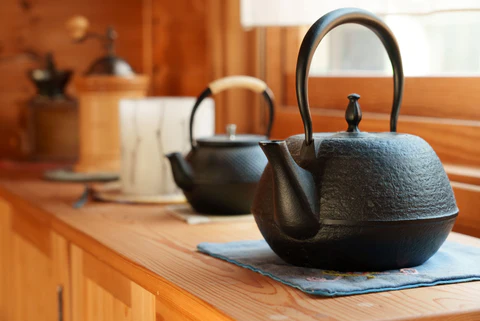
For those interested in kettle-based traditions, the article on eastern european kettle cooking provides a closer look at how these vessels shaped regional cuisines.
Ancient Techniques for Flavor and Efficiency
Many of the world’s most beloved feasts owe their distinctive flavors to slow-cooking and layering techniques perfected over generations. Here are some time-tested methods:
- Layered cooking: Placing root vegetables at the bottom of a pot, followed by meats and herbs, allows juices to infuse all ingredients.
- Marinating overnight: This not only tenderizes tougher cuts but also infuses deep flavor, a practice common in both Eastern and Western traditions.
- Simmering over low heat: Slow, gentle cooking breaks down fibers and melds flavors, making stews and braises ideal for large gatherings.
In some regions, communal ovens or earth pits were used to cook entire animals or large batches of bread. These methods maximized efficiency and allowed cooks to focus on other tasks while the food cooked slowly.
Secrets to Organizing a Successful Feast
Coordinating a meal for dozens—or even hundreds—requires more than just culinary skill. Organization is key, and ancient hosts developed systems to ensure smooth execution:
- Advance planning: Menus were set days in advance, and ingredients gathered from markets or farms.
- Task delegation: Assigning roles—such as firekeeper, butcher, or baker—helped streamline the process.
- Staggered cooking times: Dishes that took the longest, like roasts or stews, were started first, while quick-cooking items were prepared closer to serving time.
Modern hosts can learn from these strategies by creating detailed timelines and enlisting help from friends or family. This not only reduces stress but also fosters a sense of shared accomplishment.

Preserving and Serving: Final Steps in Traditional Feast Preparation
Once the cooking is complete, attention turns to presentation and preservation. In the past, large platters and communal bowls were used to serve food, encouraging sharing and conversation. Leftovers were carefully stored—often in cool cellars or wrapped in leaves—to ensure nothing went to waste.
Some additional tips for serving and storing large meals include:
- Use of natural materials: Wooden boards, clay bowls, and woven baskets not only look appealing but also keep food fresh.
- Portioning: Cutting meats and breads into manageable pieces makes serving easier and more equitable.
- Cooling and covering: Allow hot dishes to cool before covering to prevent condensation and spoilage.
For those interested in the materials used in traditional cookware, this guide to the best metals for kettles explains the pros and cons of different options.
Lessons from Cultural Traditions Around the World
Every region has its own approach to large-scale cooking, shaped by geography, climate, and available resources. For example, in Central Asia, communal plov is cooked in massive cauldrons, while in the Mediterranean, whole lambs are roasted on spits. In each case, the methods reflect local ingenuity and a respect for ingredients.
To explore more about how different cultures approach communal meals, the article on cultural kettle cooking traditions provides a global perspective on these enduring practices.
FAQ: Traditional Feast Preparation and Ancient Cooking Techniques
What are the most important tools for preparing a traditional feast?
Sturdy cookware such as cast iron pots, large kettles, and wooden utensils are essential. These tools withstand high heat and allow for even cooking, making them ideal for large-scale meals.
How did ancient cooks manage to feed large groups efficiently?
They relied on advance planning, teamwork, and time-tested cooking methods like slow simmering and layered cooking. Dividing tasks among several people and using large, durable vessels helped streamline the process.
Are there modern benefits to using ancient feast preparation techniques?
Yes, many traditional methods enhance flavor, preserve nutrients, and foster community. Slow-cooking and marinating, for example, can make dishes more tender and flavorful, while communal preparation builds a sense of togetherness.


