
The evolution of cooking vessel designs through history tells a fascinating story of human ingenuity, adaptation, and cultural exchange. From the earliest clay pots to the robust iron cauldrons of more recent centuries, each era’s cookware reflects not only advances in technology but also the everyday needs and tastes of people around the world. Understanding how these vessels changed over time offers insight into ancient diets, trade, and craftsmanship.
In this article, we’ll explore how clay, bronze, and iron transformed the way people cooked and ate. We’ll look at the unique properties and uses of each material, the technological breakthroughs that made them possible, and the legacy they’ve left in today’s kitchens. For those interested in the broader context of how pots and pans evolved, the evolution of cooking vessels provides additional historical perspective.
The Origins of Clay Cooking Pots
Long before metalworking became widespread, early societies relied on clay cookware for preparing food. Archaeological evidence shows that people began shaping and firing clay into pots as early as 20,000 years ago. These vessels were essential for boiling, stewing, and storing food, especially in communities where open-fire roasting was impractical or inefficient.
Clay’s natural abundance and malleability made it the material of choice for prehistoric cooks. Potters could form a variety of shapes—from wide-mouthed jars to deep bowls—each suited to different culinary tasks. Once fired, clay pots became hard, heat-resistant, and capable of withstanding direct contact with fire or hot coals.
One of the key advantages of clay was its ability to retain moisture and distribute heat evenly. This made it ideal for slow-cooked stews and soups, which became dietary staples in many ancient cultures. In regions like Eastern Europe, the tradition of eastern european kettle cooking still draws on these early methods, using vessels that echo the shapes and functions of their clay predecessors.
Bronze Age Innovations in Cookware
The arrival of the Bronze Age marked a turning point in cooking vessel design. Around 3300 BCE, metalworkers began alloying copper with tin to produce bronze—a material that was stronger and more durable than clay. Bronze pots, cauldrons, and pans quickly became prized possessions, often signifying wealth and status within a community.
Bronze cookware offered several advantages over earlier clay vessels. It could be cast into thinner, more intricate shapes, allowing for a wider range of designs and decorative elements. Bronze pots also conducted heat more efficiently, reducing cooking times and enabling new culinary techniques such as frying and sautéing.
These innovations spread rapidly across Europe, Asia, and the Middle East, where trade networks facilitated the exchange of both raw materials and finished goods. The increased durability of bronze meant that vessels could be passed down through generations, sometimes even being buried with their owners as valuable grave goods.

Iron: The Game Changer in Historical Cookware
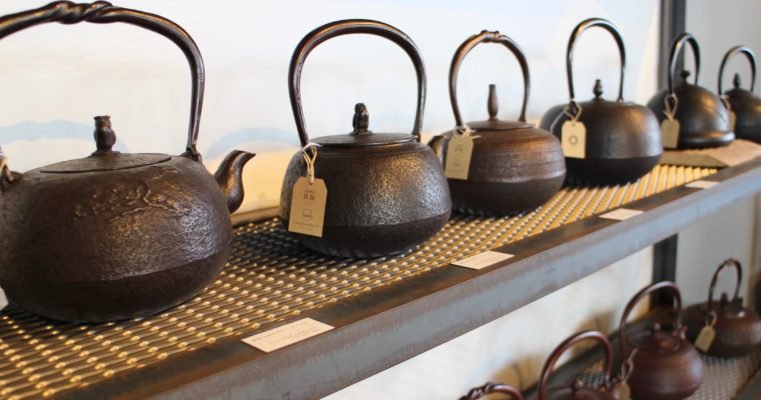
With the advent of the Iron Age, around 1200 BCE, another leap in historical cooking vessel designs occurred. Iron, being more abundant and affordable than bronze, allowed for the mass production of sturdy, versatile cookware. Blacksmiths forged cauldrons, kettles, and pans that could withstand high temperatures and heavy use, making them indispensable in both domestic and communal kitchens.
Iron pots and pans became especially popular for their durability and ability to hold heat. Unlike clay or bronze, iron cookware could be placed directly in the hottest parts of a fire without risk of cracking or warping. This made it ideal for boiling large quantities of food, brewing, and even baking bread in some cultures.
The spread of iron technology also democratized access to quality cookware. As production methods improved, even modest households could afford a basic iron pot or pan. Over time, these vessels evolved into the cast iron skillets and Dutch ovens that remain popular today. For a deeper dive into the technological journey from ancient bronze to modern iron, the article on metal casting history offers detailed insights.
Comparing Materials: Clay, Bronze, and Iron
Each material used in the making of cooking vessels brought its own strengths and limitations. Clay pots excelled at slow, moist cooking but were prone to breakage. Bronze introduced durability and new cooking techniques but was expensive and required specialized skills to produce. Iron, meanwhile, offered unmatched strength and versatility, enabling a broader range of recipes and cooking styles.
| Material | Strengths | Limitations | Common Uses |
|---|---|---|---|
| Clay | Even heat, moisture retention, easy to shape | Fragile, porous, can crack with thermal shock | Stews, soups, baking, storage |
| Bronze | Durable, decorative, good heat conduction | Expensive, requires alloying, can tarnish | Frying, boiling, ceremonial use |
| Iron | Very strong, retains heat, affordable | Heavy, can rust, needs seasoning | Boiling, frying, baking, brewing |
Legacy and Influence on Modern Cookware
The legacy of these ancient cooking vessel designs is still visible in today’s kitchens. Modern ceramic pots echo the properties of traditional clay cookware, while copper and stainless steel pans owe much to the innovations of the Bronze Age. Cast iron, in particular, remains a favorite for its heat retention and durability, with many cooks seeking out vintage pieces or investing in new ones for their versatility.
Proper care is essential for maintaining iron cookware. For those looking to keep their cast iron in top condition, a comprehensive guide to cast iron maintenance can help ensure longevity and performance.

For those interested in how these vessels have influenced other aspects of material culture, such as historic garden ornaments or even seasonal decorations, the connection between utility and artistry is a recurring theme throughout history.
Frequently Asked Questions
What were the main advantages of clay pots in ancient cooking?
Clay pots offered even heat distribution and excellent moisture retention, making them ideal for slow-cooked dishes like stews and soups. Their natural insulation helped preserve flavors, but they required careful handling to avoid cracking.
How did the transition from bronze to iron cookware impact daily life?
The shift to iron cookware made durable pots and pans more accessible to a wider range of people. Iron’s strength and affordability allowed for larger-scale cooking, supported new recipes, and contributed to the development of communal meals and feasts.
Are there modern equivalents to historical clay, bronze, and iron vessels?
Yes, many contemporary cookware items draw inspiration from historical designs. Modern ceramics replicate the qualities of ancient clay, copper and stainless steel pans build on bronze-age techniques, and cast iron skillets remain a staple for their heat retention and versatility.


