
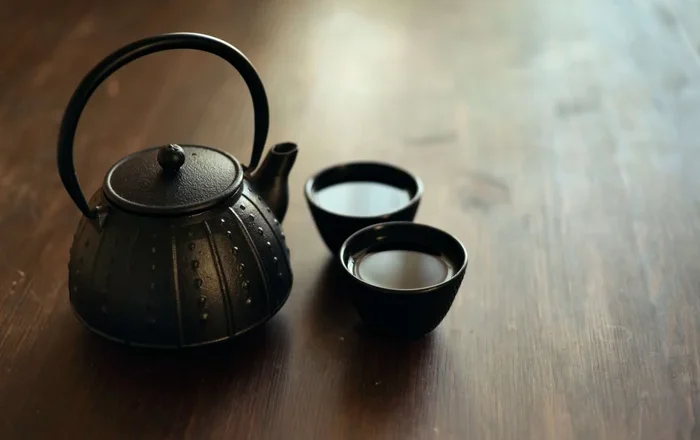
Transforming your outdoor space with cauldron water garden features is a creative way to add both elegance and a touch of history to your backyard. These unique water elements, inspired by traditional cast iron kettles and cauldrons, can serve as striking focal points, blending rustic charm with the soothing sound of flowing water. Whether you want to create a tranquil retreat or a conversation piece, incorporating a cauldron-inspired water feature is a versatile choice for many garden styles.
In this guide, you’ll discover practical design ideas, essential installation tips, and maintenance advice to help you make the most of these captivating water features. We’ll also explore the cultural and historical roots of cauldron vessels, connecting your backyard design to centuries-old traditions. For those interested in the evolution of these iconic vessels, you might enjoy reading about how pots changed through history for additional context.
Why Choose Cauldron-Inspired Water Features?
Choosing a cauldron or kettle as the centerpiece for your garden water feature offers several benefits. These vessels are not only visually appealing, but they also evoke a sense of nostalgia and craftsmanship. Cast iron cauldrons, in particular, are known for their durability and timeless look. Their deep bowls and rounded shapes make them ideal for holding water, supporting aquatic plants, or even sheltering small fish.
Beyond their practical advantages, cauldron water features can be adapted to fit a wide range of garden aesthetics—from rustic cottage gardens to modern minimalist spaces. Their versatility allows you to personalize your design, whether you prefer a simple bubbling fountain or a lush, plant-filled oasis.
Design Ideas for Cauldron Water Gardens
There are many creative ways to incorporate cauldron water garden features into your landscape. Here are some inspiring ideas to get you started:
- Bubbling Fountain: Place a submersible pump inside the cauldron to create a gentle bubbling effect. This simple setup provides soothing sounds and a classic look.
- Waterfall Cascade: Position the cauldron at the top of a small rock slope, allowing water to spill over the rim and cascade into a lower basin or pond.
- Container Pond: Fill the cauldron with water lilies, lotus, or other aquatic plants to create a miniature pond. Add a few small fish for extra interest.
- Bird Bath Feature: Use a shallow cauldron as a bird bath, attracting local wildlife and adding movement to your garden.
- Fire and Water Combo: For a dramatic effect, combine a water feature with a fire bowl insert, creating a striking contrast between elements.
For additional inspiration on kettle and cauldron traditions, you might enjoy exploring cultural kettle cooking traditions from around the world.
Materials and Placement Tips
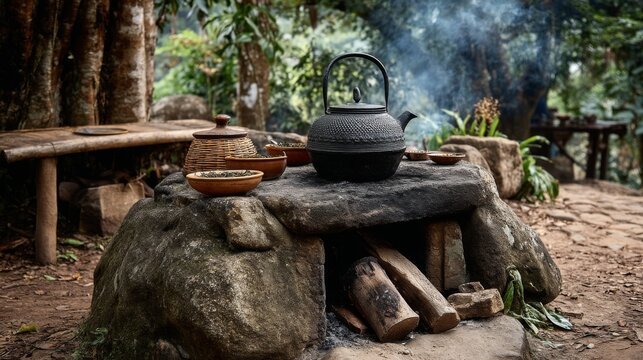
When selecting a cauldron for your garden, consider materials that can withstand outdoor conditions. Cast iron is a popular choice due to its strength and classic appearance, but heavy-duty ceramics or weatherproof metals can also work well. If you plan to use a vintage or repurposed vessel, inspect it for cracks or rust, and consider applying a protective coating to extend its lifespan.
Placement is another key factor. Position your water feature where it will be visible from patios, windows, or seating areas. Ensure the location receives the right amount of sunlight for any aquatic plants you include, and avoid spots where falling leaves or debris might accumulate excessively. For added safety, make sure the cauldron is stable and level, especially if you have children or pets.
For those interested in the origins of these vessels, the history of metal casting provides fascinating background on how cauldrons and kettles became household staples.
Installation and Maintenance of Water Features
Setting up a cauldron-based water feature is generally straightforward, but a few steps will help ensure long-term enjoyment:
- Prepare the Vessel: Clean the cauldron thoroughly before use. If needed, seal any minor leaks with a pond-safe sealant.
- Install a Pump: For moving water, add a submersible pump. Choose one with adjustable flow to customize the sound and movement.
- Add Plants or Fish: If desired, introduce aquatic plants or small fish. Be sure to research their care requirements and compatibility.
- Maintain Water Quality: Regularly check water levels and remove debris. Clean the pump and vessel as needed to prevent algae buildup.
- Winter Care: In colder climates, drain and store the cauldron indoors or use a heater to prevent freezing.
To keep your cast iron cauldron looking its best, consider using a dedicated care kit. These products help prevent rust and maintain the vessel’s finish. For more information on caring for cast iron, see this beginner’s guide to cast iron cookware.

Blending Tradition and Modern Style
One of the most appealing aspects of cauldron water features is their ability to bridge the gap between old and new. These vessels have deep roots in many cultures, often used for cooking, brewing, or communal gatherings. Today, they offer a way to honor that heritage while embracing contemporary garden design.
For those interested in the broader story of how these vessels evolved, the article on cooking vessel designs through history provides a comprehensive overview. Drawing inspiration from these traditions can help you create a backyard space that feels both timeless and personal.
Enhancing Your Outdoor Space with Water Features
Adding a water element to your backyard can have a transformative effect. The gentle sound of water promotes relaxation, while the visual appeal of a cauldron or kettle adds character and depth. Whether you choose a simple fountain or a lush aquatic garden, these features are sure to become a favorite spot for both you and your guests.
To further personalize your design, consider surrounding your cauldron with complementary landscaping—such as ferns, moss, or decorative stones. Lighting can also enhance the atmosphere, especially in the evening. Solar-powered spotlights or floating lights are easy to install and highlight the water’s movement after dark.
Frequently Asked Questions
What types of cauldrons are best for outdoor water features?
Cast iron cauldrons are a popular choice due to their durability and classic appearance. However, heavy-duty ceramic or weather-resistant metal vessels can also work well. Ensure any vessel you choose is watertight and suitable for outdoor use.
How do I prevent rust on a cast iron cauldron in my garden?
To minimize rust, regularly clean and dry the cauldron. Apply a protective coating or use a care kit designed for cast iron. In wet climates, consider moving the vessel indoors during winter or covering it when not in use.
Can I keep fish or plants in my cauldron water feature?
Yes, many people use cauldrons as small container ponds for aquatic plants and fish. Be sure to choose plants and fish that are compatible with the size of your vessel and local climate. Maintain water quality by cleaning regularly and monitoring water levels.
By thoughtfully incorporating cauldron water garden features into your backyard, you can enjoy a unique blend of history, artistry, and tranquility right outside your door. With the right materials and a bit of creativity, these water elements will enhance your outdoor living space for years to come.


