
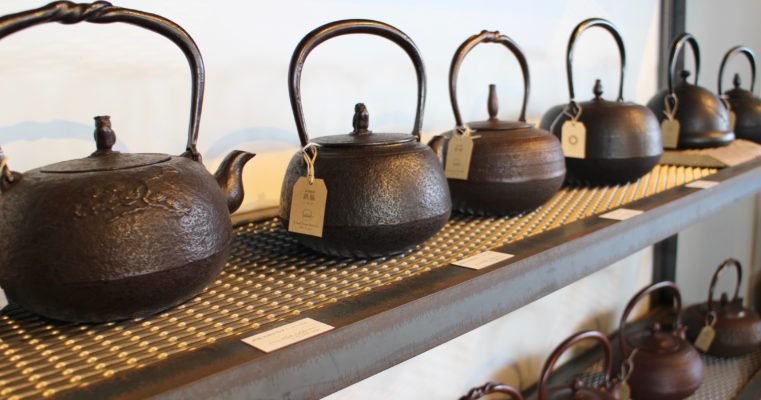
Outdoor cast iron and other metal items are prized for their durability and timeless look, but exposure to the elements can quickly lead to rust and dullness. Preventing outdoor metal oxidation is essential for maintaining the shine and integrity of your cast iron cookware, garden décor, or antique kettles. This guide covers practical steps, proven techniques, and expert insights to help you protect your outdoor metal from the harsh effects of weather and time.
Whether you’re a collector, a home cook, or someone who appreciates well-maintained outdoor furnishings, understanding the causes of oxidation and how to counteract them is key. We’ll explore how to shield your cast iron from moisture, the best products for protection, and maintenance routines that keep your metal looking its best.
For those interested in the heritage and evolution of metal cookware, you might enjoy reading about metal casting history and how these techniques have shaped the tools we use today.
Understanding Why Outdoor Metals Oxidize
Oxidation is a natural chemical process where metal reacts with oxygen and moisture in the environment, forming rust (iron oxide) on iron and steel. Outdoor conditions—rain, humidity, and even morning dew—accelerate this process. Cast iron, while robust, is especially vulnerable if left untreated or exposed for extended periods.
Factors that contribute to outdoor metal corrosion include:
- Moisture: Rain, snow, and humidity are the primary culprits.
- Salt: Coastal areas or winter de-icing salts can speed up rust formation.
- Temperature Fluctuations: Expanding and contracting metal can cause protective coatings to crack.
- Pollutants: Acid rain and airborne chemicals can degrade metal surfaces faster.
Recognizing these risks is the first step in preventing outdoor metal oxidation and keeping your cast iron items in top condition.
Routine Cleaning and Drying: The Foundation of Protection
One of the most effective ways to guard against rust is regular cleaning. Dirt, plant debris, and bird droppings can trap moisture against the metal surface, leading to faster corrosion. Here’s how to establish a simple cleaning routine:
- Brush Off Debris: Use a soft-bristled brush to remove loose dirt and leaves.
- Wash Gently: Clean with mild soap and warm water. Avoid harsh chemicals that can strip protective coatings.
- Dry Thoroughly: After washing, always dry cast iron completely with a towel. Do not air dry outdoors, as lingering moisture can start the oxidation process.
For more on how different cultures approach kettle and cookware care, see the article on cultural kettle cooking traditions.
Applying Protective Coatings to Outdoor Cast Iron
After cleaning, the next step in preventing outdoor metal oxidation is to create a barrier between the metal and the environment. There are several effective options:
- Seasoning with Oil: Rubbing a thin layer of food-grade oil (like flaxseed or mineral oil) onto cast iron and heating it creates a natural, water-resistant coating. This is especially important for cookware and decorative items alike.
- Commercial Rust Inhibitors: Products specifically designed for outdoor metal protection can offer long-lasting defense. Look for sprays or waxes labeled for cast iron or outdoor use.
- Paints and Enamels: For non-cooking items, weatherproof paints or powder coatings provide excellent protection and can be reapplied as needed.
Be sure to reapply protective coatings regularly, especially after heavy rains or cleaning sessions.

Best Practices for Outdoor Storage and Placement
Where and how you store your cast iron can make a significant difference in its longevity. To minimize exposure to moisture and air, consider these strategies:
- Keep Items Covered: Use waterproof covers or store items under a shelter when not in use.
- Elevate Off the Ground: Place cast iron on bricks or stands to avoid contact with wet soil or puddles.
- Store Indoors During Harsh Weather: If possible, bring items inside during winter or heavy rain seasons.
Proper placement and storage are simple yet powerful ways to extend the life of your outdoor metal items.
Spotting and Addressing Early Signs of Rust
Even with the best care, small rust spots may occasionally appear. Early intervention is crucial to stop corrosion from spreading. Here’s what to do:
- Scrub Rust Spots: Use a non-metallic scrubber or fine steel wool to gently remove rust.
- Clean and Dry: Wash the area with mild soap and water, then dry thoroughly.
- Reapply Protective Coating: Once clean, add a fresh layer of oil or rust inhibitor.
Routine inspections—especially after storms or long periods outdoors—help catch and treat issues before they become serious.

Choosing the Right Products for Metal Care
Not all protective products are created equal. When selecting oils, waxes, or sprays, consider the following:
- Food-Safe for Cookware: If you use your cast iron for cooking, ensure any product is labeled food-safe.
- UV Resistance: For outdoor décor, choose coatings with UV protection to prevent fading and breakdown.
- Ease of Application: Sprays and wipes can make regular maintenance quick and convenient.
For a deeper dive into the world of iron kettles and their care, see this comprehensive guide to iron kettles and teapots.
Integrating Preventative Maintenance Into Your Routine
Consistency is the secret to preventing outdoor metal oxidation. Set reminders to inspect and maintain your cast iron items every few weeks, especially during wet seasons. Documenting your maintenance schedule can help you stay on track and catch issues early.
For those fascinated by the evolution of cookware, explore how cooking vessels have changed through history and how modern care practices have developed from ancient traditions.
Frequently Asked Questions
- How often should I reapply oil or protective coatings to outdoor cast iron?
- It’s best to reapply a thin layer of oil or a rust inhibitor every 1–2 months, or after heavy rain, cleaning, or visible wear. Frequent maintenance ensures a continuous barrier against moisture and oxidation.
- What should I do if my cast iron already has rust?
- Remove loose rust with a non-metallic scrubber or fine steel wool, wash and dry the area thoroughly, then reapply a protective coating. For severe rust, repeat the process or consult a restoration specialist.
- Are there any natural alternatives to commercial rust inhibitors?
- Yes, food-grade oils like flaxseed, canola, or mineral oil are effective natural options for seasoning and protecting cast iron. Beeswax is another natural choice for non-cooking items.
Conclusion
With the right care, your outdoor cast iron and metal items can remain shiny, functional, and beautiful for years. By understanding the causes of corrosion, establishing a cleaning and protection routine, and using quality products, you can effectively guard against the elements. Whether you’re preserving a family heirloom or maintaining outdoor décor, these strategies ensure your metal stays in top condition—season after season.


