
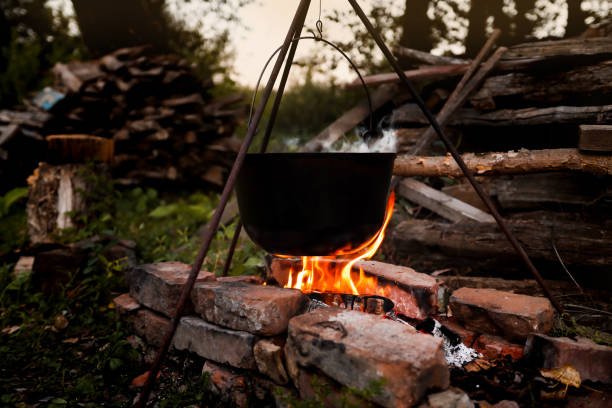
Across centuries and continents, nomadic cooking traditions have shaped the way people prepare, share, and enjoy food in the outdoors. For communities on the move—herders, traders, hunters, and explorers—meals needed to be nourishing, portable, and adaptable to the unpredictable conditions of life on the road. Cooking over open flames, using minimal yet durable equipment, and relying on resourcefulness turned necessity into a rich culinary heritage that continues to inspire outdoor cooks and food historians alike.
From the windswept steppes of Central Asia to the deserts of North Africa, the practice of preparing portable meals over open fires has left a lasting mark on global food culture. These methods reveal not only the ingenuity of nomadic peoples but also the enduring appeal of simple, fire-cooked food. For those interested in the evolution of cookware and the history of communal meals, exploring these traditions offers a window into the past and practical lessons for today’s outdoor enthusiasts.
For a deeper look at how kettle cooking has influenced regional cuisines, you might enjoy reading about eastern european kettle cooking, which explores the communal stews and soups prepared over campfires in Eastern Europe.
Origins and Evolution of Portable Cooking Methods
The roots of nomadic cooking traditions stretch back to prehistoric times, when early humans depended on fire for warmth, safety, and sustenance. As groups began to migrate in search of grazing lands or trade routes, their approach to food preparation adapted to the demands of mobility. Lightweight, multi-purpose cookware—such as cast iron pots, copper cauldrons, and clay vessels—became essential items, prized for their durability and versatility.
Open-fire cooking was not just a matter of convenience; it was a necessity. Nomads often traveled through regions where fuel sources were scarce, so meals had to be cooked quickly and efficiently. The ability to prepare hearty stews, roasted meats, and flatbreads using minimal ingredients and equipment became a hallmark of these mobile societies. Over time, these techniques influenced settled communities as well, blending with local customs and ingredients to create new culinary traditions.
Essential Tools for Cooking on the Move
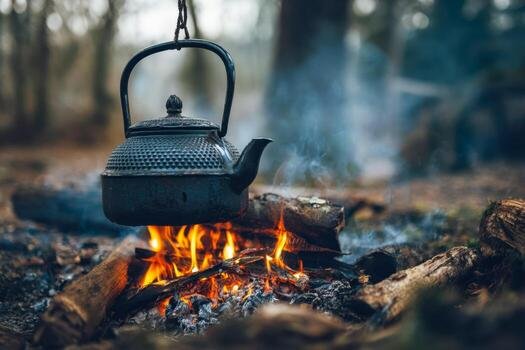
At the heart of many portable meal traditions is the use of robust, adaptable cookware. Iron kettles, for example, have been a staple for centuries, valued for their ability to withstand direct flames and retain heat. These vessels allowed nomads to boil water, simmer stews, and even bake bread over a campfire. The design of these pots often reflected the needs of the community—some featured wide mouths for easy stirring, while others had sturdy handles for hanging over flames.
In addition to kettles, nomadic cooks relied on flat stones, skewers, and griddles for roasting and baking. The portability of these tools made them ideal for life on the move. For more information on the history and care of iron kettles, see this comprehensive guide to iron kettles and teapots.
Iconic Dishes and Ingredients from Nomadic Cultures
Many of the world’s most beloved comfort foods trace their origins to open-fire cooking by nomads. Central Asian shepherds developed hearty lamb stews and flatbreads that could be cooked quickly over embers. In Mongolia, the tradition of boiling meat and vegetables in a communal pot remains a symbol of hospitality and togetherness. North African Berbers perfected the art of slow-cooked tagines, using portable clay vessels to create aromatic, spice-laden meals.
Common ingredients in these dishes include dried meats, grains, legumes, and preserved dairy—foods that could withstand long journeys without spoiling. Spices and herbs not only enhanced flavor but also helped preserve food and mask the taste of less-than-fresh ingredients. The result was a cuisine that balanced practicality with creativity, turning limited resources into memorable meals.
Techniques for Cooking Over Open Flames
Mastering the art of outdoor fire cooking requires both skill and patience. Nomadic cooks learned to control heat by adjusting the size of the fire, the placement of coals, and the distance of the pot from the flames. Stews and soups were often simmered slowly to extract maximum flavor from tough cuts of meat and wild vegetables. Flatbreads were baked on hot stones or griddles, while skewered meats were roasted over glowing embers for a smoky finish.
These techniques remain popular with modern campers and outdoor chefs, who appreciate the simplicity and satisfaction of preparing food in the open air. For those interested in the broader context of kettle cooking, the article on cultural kettle cooking traditions provides an in-depth look at how these methods have evolved around the world.
Preserving and Passing Down Culinary Knowledge
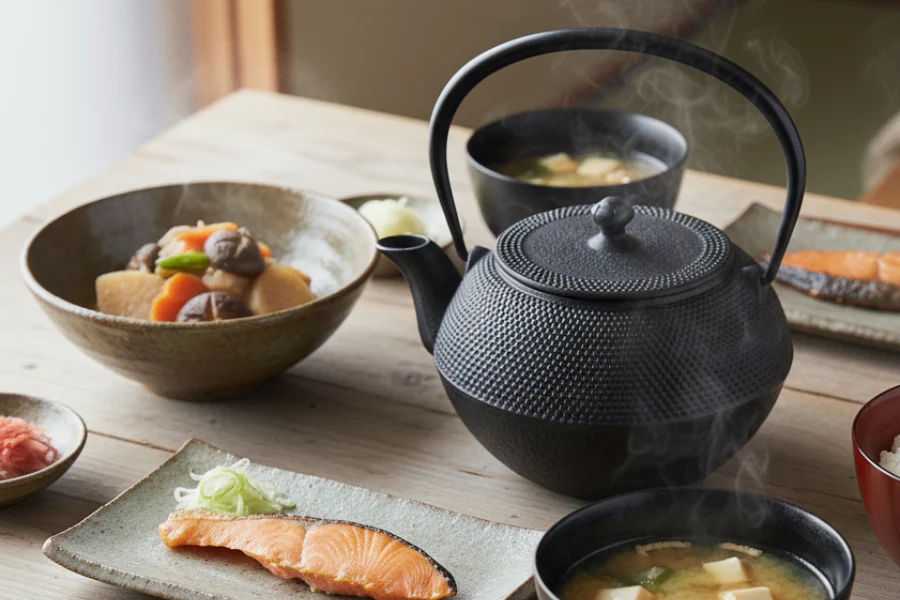
One of the most remarkable aspects of nomadic food culture is the way knowledge is shared across generations. Recipes and techniques are often transmitted orally, with each family or tribe adding its own variations based on available ingredients and personal taste. The communal nature of campfire cooking—where everyone gathers around the flames—encourages storytelling, teaching, and the preservation of cultural identity.
As societies have become more settled, many of these traditions have been adapted for modern kitchens. Yet the core principles—resourcefulness, simplicity, and respect for ingredients—remain relevant. For those interested in how cookware has changed through the ages, the article on the evolution of cooking vessels offers valuable insights.
Modern Applications and Inspiration
Today, the spirit of portable outdoor cooking lives on in camping, hiking, and backyard gatherings. Enthusiasts seek out traditional tools like cast iron pots and kettles, appreciating their durability and the unique flavors they impart. The resurgence of interest in heritage cooking methods has led to a renewed appreciation for the skills and wisdom of nomadic peoples.
Whether preparing a simple stew over a campfire or experimenting with ancient bread recipes, modern cooks can draw inspiration from these time-honored practices. By embracing the lessons of the past, we can create meals that are not only delicious but also deeply connected to the rhythms of nature and the bonds of community.
Frequently Asked Questions
What are some common dishes from nomadic cooking traditions?
Popular dishes include hearty stews made with lamb or beef, flatbreads cooked on hot stones, and soups featuring grains and legumes. Many recipes are designed to use preserved or dried ingredients that travel well.
What kind of cookware is best for open-fire cooking?
Durable, heat-resistant vessels such as iron kettles, cast iron pots, and clay cauldrons are ideal. These can withstand direct flames and retain heat, making them perfect for simmering stews or boiling water in outdoor settings.
How can I care for my iron kettle or pot after cooking over a fire?
After use, allow the vessel to cool, then clean it with hot water and a brush (avoid soap if possible). Dry thoroughly and apply a thin layer of oil to prevent rust. For more tips, consider using a specialized care kit to maintain your cookware’s condition.
Where can I learn more about the history of outdoor cooking?
Explore resources on historic food serving methods and metal casting history to gain a broader understanding of how cooking and serving practices have evolved over time.


