
Choosing the right wood species for cooking fires can make a significant difference in both the flavor of your food and the efficiency of your fire. Whether you’re grilling, smoking, or preparing a traditional campfire meal, the type of wood you select impacts aroma, taste, burn time, and heat output. Understanding these differences helps you create memorable outdoor meals and avoid common pitfalls like excessive smoke or bitter flavors.
In this guide, we’ll break down the characteristics of popular hardwoods and softwoods, explain which are best for different cooking methods, and offer tips for safe and flavorful fire cooking. If you’re interested in the cultural and social aspects of outdoor cooking, you might also enjoy learning about outdoor hospitality traditions that have shaped how people gather and cook around a fire.
Understanding Wood Types for Cooking Fires
Not all wood is created equal when it comes to cooking. The main distinction is between hardwoods and softwoods. Hardwoods like oak, hickory, and maple are denser, burn longer, and produce steady heat, making them ideal for grilling and smoking. Softwoods such as pine or spruce burn quickly and can impart unpleasant flavors due to their high resin content, so they’re generally avoided for direct cooking.
When selecting wood species for cooking fires, always use seasoned (dried) wood. Fresh or “green” wood contains moisture that leads to excessive smoke, uneven burning, and can even make food taste bitter. Properly seasoned wood burns hotter and cleaner, enhancing both safety and flavor.
Popular Hardwoods and Their Cooking Qualities
Below are some of the most popular hardwoods for outdoor cooking, each offering unique characteristics:
- Oak: A classic choice, oak burns hot and slow, producing a mild, smoky flavor that works well for grilling and smoking meats, vegetables, and even bread. Its steady heat output makes it a reliable option for long cooks.
- Hickory: Known for its strong, bacon-like aroma, hickory is a favorite for barbecuing pork and beef. It burns hot and imparts a robust flavor, but can be overpowering if used in excess.
- Maple: Maple offers a subtle sweetness and moderate smoke. It’s excellent for poultry, pork, and vegetables, and is less likely to overwhelm delicate foods.
- Cherry: This wood burns at a medium heat and adds a mild, fruity flavor. Cherry is popular for smoking chicken, turkey, and fish, as well as for adding color to meats.
- Apple: Applewood is prized for its gentle, sweet smoke and is ideal for poultry and pork. It burns steadily but not as hot as oak or hickory.
- Ash: Ash burns cleanly and produces a neutral smoke, making it a versatile choice for most foods. It lights easily and provides consistent heat.
Softwoods and Woods to Avoid
While hardwoods are generally safe and flavorful, most softwoods should be avoided for cooking. Pine, fir, spruce, and cedar contain high levels of sap and resin, which can create acrid smoke and deposit unwanted flavors on your food. Burning these woods can also produce soot and creosote, which are not safe for consumption.
Additionally, avoid using wood from trees that have been treated, painted, or exposed to chemicals. This includes construction lumber, pallets, and wood from orchards that may have been sprayed with pesticides. Only use natural, untreated wood for any fire that will be used for cooking.
How Wood Choice Affects Flavor and Heat
The wood species for cooking fires you select not only impacts the taste of your food but also the fire’s performance. Denser woods like oak and hickory burn longer and hotter, making them ideal for slow-cooked barbecue or when you need consistent heat for baking. Fruitwoods like apple and cherry impart subtle, sweet notes that pair well with lighter meats and vegetables.
Mixing different woods is a common technique to balance flavor and heat. For example, combining oak for heat with a smaller amount of cherry or apple can give you both a steady fire and a nuanced smoke profile. Experimenting with blends allows you to customize the cooking experience to your preferences.
Best Practices for Safe and Flavorful Cooking Fires
For the best results, follow these guidelines when using different wood species for cooking fires:
- Use only seasoned hardwoods. Allow wood to dry for at least 6–12 months before use.
- Build a proper fire base. Start with small kindling and gradually add larger pieces to establish a bed of hot coals.
- Avoid over-smoking. Too much smoke can overpower food and make it bitter. Use just enough wood to maintain steady heat and gentle smoke.
- Keep safety in mind. Always cook in well-ventilated areas and keep water or a fire extinguisher nearby.
- Clean your equipment regularly. Residue from previous fires can affect flavor and safety. For tips on kettle and cookware care, consider a seasoning and care kit.
Pairing Wood with Cooking Methods
The right wood for your fire depends on what and how you’re cooking:
- Grilling: Use oak, hickory, or ash for high heat and a classic smoky flavor. Fruitwoods like apple and cherry are great for a milder touch.
- Smoking: Hickory and mesquite provide intense smoke, while maple and fruitwoods offer a gentler profile. Mix woods to suit your taste.
- Baking: For breads and pizzas, choose hardwoods that burn evenly and create a consistent bed of coals, such as oak or maple.
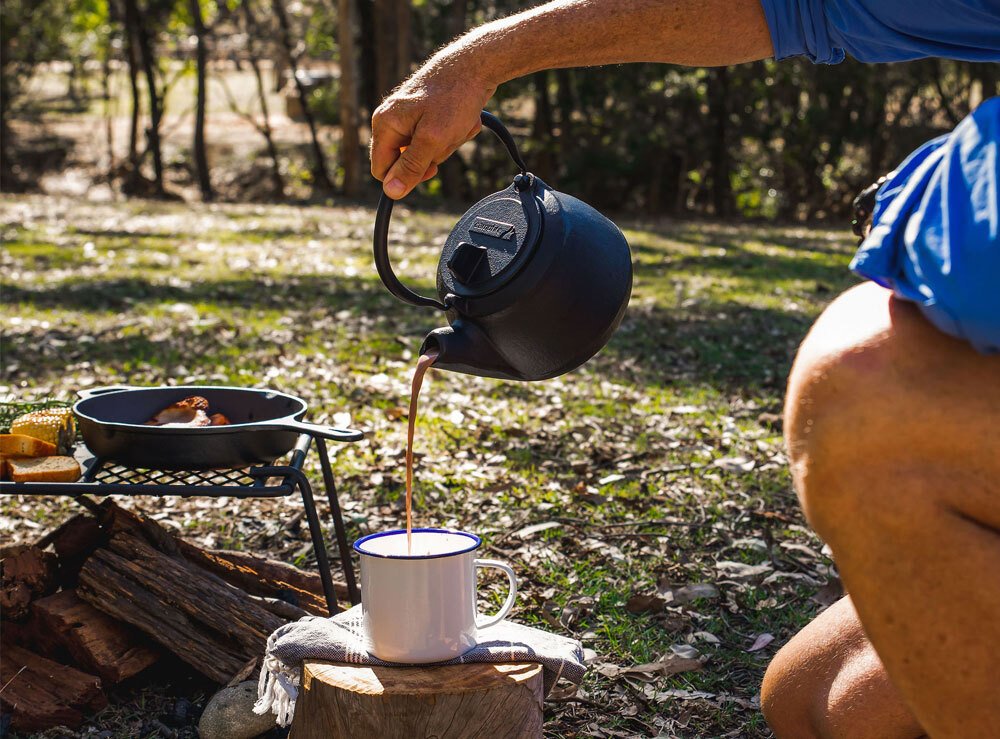
- Campfire Cooking: Ash and oak are reliable for general campfire meals, providing steady heat for stews, foil packets, and roasting.
For inspiration on traditional fire-cooked meals, explore Eastern European kettle cooking and discover how different cultures use wood fires to create unique flavors.
Tips for Sourcing and Storing Firewood
Quality firewood is essential for safe and flavorful cooking. Here’s how to ensure you’re using the best:
- Source locally when possible. Local hardwoods are often more affordable and sustainable. Ask about the seasoning process to ensure dryness.
- Store wood off the ground. Stack firewood on pallets or racks to prevent moisture absorption and pests.
- Cover but allow airflow. Use a tarp or roof to protect wood from rain, but leave the sides open for ventilation.
- Inspect for mold or fungus. Discard any wood that shows signs of rot, mold, or insect infestation.
Frequently Asked Questions
Which wood species should never be used for cooking fires?
Avoid all softwoods like pine, spruce, and fir due to their high resin content, which can produce unpleasant flavors and harmful smoke. Also, never use treated, painted, or chemically exposed wood, as it can release toxic fumes when burned.
How does the type of wood affect the flavor of food?
Different woods produce distinct smoke profiles. Hardwoods like hickory and oak give a strong, smoky flavor, while fruitwoods such as apple and cherry offer a milder, sweeter taste. Mixing woods allows you to fine-tune the flavor to your preference.
Is it safe to use wood from fruit trees for cooking?
Yes, wood from untreated fruit trees like apple, cherry, and pear is safe and commonly used for cooking. These woods burn cleanly and add pleasant, subtle flavors to food. Just make sure the wood is properly seasoned and free from pesticides or chemicals.
Further Reading and Resources
For more on the traditions and history of fire-based cooking, explore articles on cultural kettle cooking traditions and historic food serving methods. If you’re curious about the materials used in cookware, check out this guide to the best metals for kettles for more insights.
By understanding the properties of different wood species for cooking fires, you can elevate your outdoor meals, experiment with new flavors, and enjoy the timeless tradition of cooking over an open flame.


