
Cooking over an open flame is a timeless tradition that connects us to the roots of outdoor hospitality and communal meals. Whether you’re preparing a rustic stew, grilling fresh-caught fish, or simply boiling water for tea, having the right traditional outdoor cookware makes all the difference. These classic tools are designed to withstand direct heat, deliver even cooking, and evoke the spirit of campfire gatherings. In this guide, we’ll explore the essential pieces, their unique benefits, and how to care for them so they last for generations.
For those interested in the cultural heritage behind these tools, learning about cultural kettle cooking traditions from around the world reveals how different communities have shaped the evolution of outdoor cooking gear. Understanding this history adds depth to every meal prepared over the flames.
Why Choose Classic Cookware for Open Fire Cooking?
Modern camping stoves and lightweight pots have their place, but there’s a reason why traditional outdoor cookware remains popular among outdoor enthusiasts and culinary purists. These time-tested items offer:
- Durability: Made from robust materials like cast iron and carbon steel, these tools can handle high temperatures and rough handling.
- Even Heat Distribution: Classic pots and pans are designed to spread heat evenly, reducing the risk of hot spots and burnt food.
- Versatility: Many pieces, such as Dutch ovens and griddles, can be used for baking, frying, boiling, and roasting.
- Heritage Appeal: Cooking with these items connects you to generations of outdoor cooks and time-honored food traditions.
For those who appreciate the social aspect of campfire meals, exploring outdoor hospitality traditions can inspire new ways to share food and stories around the fire.
Essential Pieces of Traditional Outdoor Cookware
Building a reliable kit for open fire cooking starts with a few key items. Here are the most important pieces to consider:
Cast Iron Dutch Oven
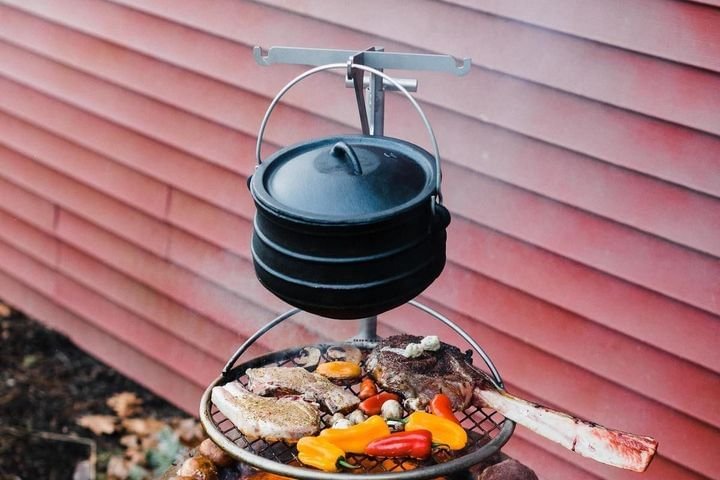
The Dutch oven is the cornerstone of any open-fire cooking setup. Its thick walls and tight-fitting lid make it ideal for slow-cooked stews, braises, and even baking bread. The heavy construction retains heat and allows for even, consistent cooking, whether nestled in coals or suspended over flames.
Griddles and Skillets
Flat griddles and deep skillets are perfect for frying, sautéing, and making pancakes or eggs. Cast iron versions are especially valued for their non-stick properties (when seasoned properly) and their ability to develop a rich patina over time.
Kettles and Pots
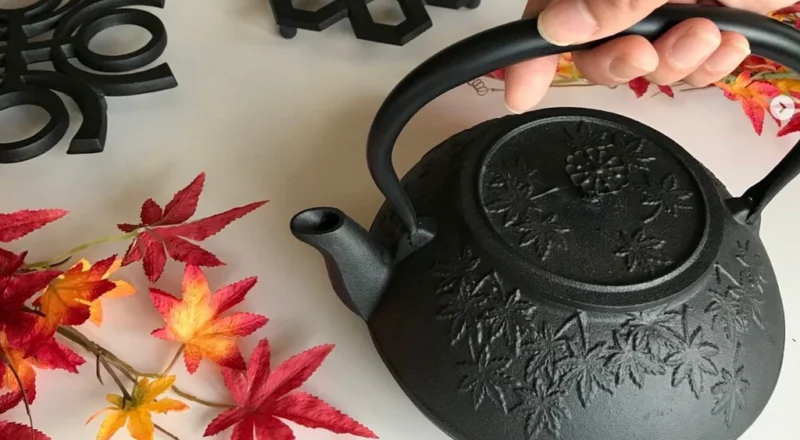
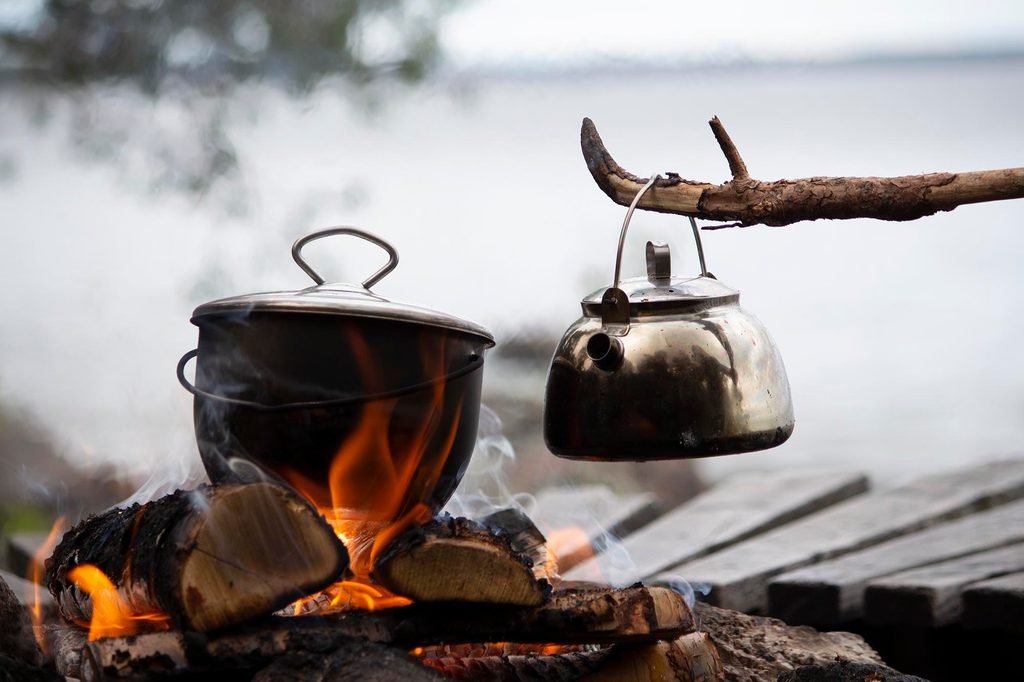
Boiling water for tea, coffee, or soups is a breeze with a sturdy kettle. Traditional models are often made of iron or steel and feature a handle for hanging over the fire. For a deep dive into the materials best suited for kettles, see this guide to the best metals for kettles.
Tripods, Grills, and Accessories
Supporting your cookware over the fire is just as important as the pots and pans themselves. Tripods, adjustable grills, and hanging chains allow you to control the heat and position your food for optimal results. These accessories are essential for safe and effective open-fire cooking.
Material Matters: Cast Iron, Steel, and Beyond
The materials used in classic outdoor cookware directly impact performance and longevity. Here’s a quick comparison:
| Material | Pros | Cons |
|---|---|---|
| Cast Iron | Excellent heat retention, naturally non-stick when seasoned, extremely durable | Heavy, requires maintenance to prevent rust |
| Carbon Steel | Lighter than cast iron, heats up quickly, develops seasoning | Can warp at very high heat, needs regular oiling |
| Stainless Steel | Rust-resistant, easy to clean, lighter weight | Poor heat retention, can develop hot spots |
Choosing the right material depends on your cooking style, how much weight you’re willing to carry, and how much care you want to invest in your gear.
Care and Maintenance Tips for Outdoor Cookware
Proper care ensures your heritage cookware remains functional and beautiful for years. Here are some essential tips:
- Seasoning: Regularly apply a thin layer of oil to cast iron and carbon steel to maintain the non-stick surface and prevent rust.
- Cleaning: Avoid soap on seasoned cookware. Instead, use hot water and a stiff brush. Dry thoroughly before storing.
- Storage: Keep cookware in a dry place. For long-term storage, add a light coat of oil and store with lids off to prevent moisture buildup.
- Inspection: Check for cracks, chips, or rust before each use. Address any issues immediately to avoid further damage.
For more on the evolution of these materials, see the article on metal casting history and how it shaped the cookware we use today.
Cooking Traditions and Regional Variations
Outdoor cooking is deeply influenced by local customs and available resources. For example, Eastern European kettle cooking features hearty stews prepared in hanging pots, while other regions may favor flatbreads or grilled meats. Exploring these variations can inspire new recipes and techniques for your next campfire meal.
Serving food outdoors also has a rich heritage. If you’re interested in how our ancestors presented meals, the article on historic food serving methods offers fascinating insights into communal dining and presentation.
Frequently Asked Questions
What makes cast iron the best choice for open fire cooking?
Cast iron is prized for its ability to retain and evenly distribute heat, making it ideal for cooking over unpredictable campfire flames. Its durability means it can last for decades with proper care, and it develops a natural non-stick surface with use.
How do I prevent rust on my outdoor cookware?
To keep rust at bay, always dry your cookware thoroughly after washing and apply a thin layer of oil before storing. Avoid leaving cast iron or carbon steel in damp environments, and store with lids off to allow air circulation.
Can I use traditional cookware on modern camping stoves?
Yes, most classic outdoor cookware can be used on gas or electric camping stoves as well as over open flames. Just be mindful of the weight and size, as some pieces may be too heavy or large for lightweight stoves.
Conclusion
Investing in traditional outdoor cookware enhances both the flavor of your food and the experience of cooking outdoors. These time-honored tools are built to last, connect us to culinary heritage, and make every campfire meal memorable. With proper care and a sense of adventure, your cookware will serve you well for years to come—whether you’re in the backyard or deep in the wilderness.


