
Preparing soup for a large group can be both rewarding and challenging. Whether you’re organizing a community event, catering a family reunion, or simply feeding a big household, mastering large batch soup preparation ensures everyone gets a hearty, delicious meal. This guide covers everything you need to know, from choosing the right equipment and ingredients to scaling recipes, managing cooking times, and serving efficiently. With the right approach, you can deliver consistent flavor and quality—no matter the headcount.
Before diving into the practical steps, it’s worth noting that the tradition of communal soup making has deep roots in many cultures. For a fascinating look at how people have cooked for crowds throughout history, see this article on historic food serving methods.
Choosing the Best Equipment for Large Batch Soup Preparation
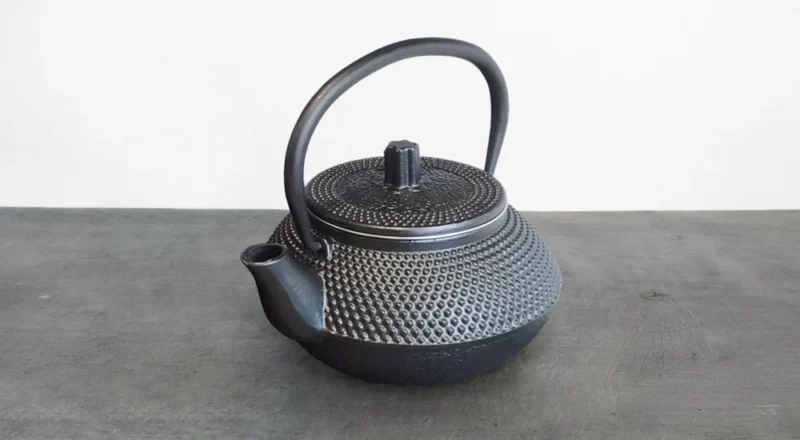
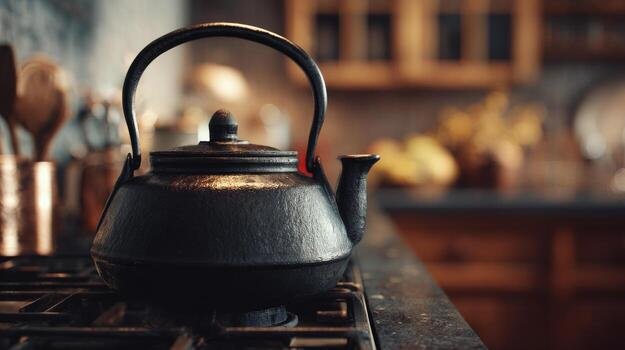
One of the first decisions when making soup for a crowd is selecting the right cookware. For large volumes, a heavy-duty stockpot or kettle is essential. Cast iron, stainless steel, and enameled steel are all popular choices for their durability and even heat distribution. If you’re interested in the cultural heritage of kettle cooking, the article on cultural kettle cooking traditions provides valuable insights.
Here are some equipment tips for big-batch soup making:
- Stockpots: Look for pots with a capacity of at least 16 quarts for groups of 20 or more.
- Kettles: Traditional cast iron kettles are excellent for outdoor or open-fire cooking.
- Utensils: Use long-handled ladles and sturdy spoons to stir and serve safely.
- Thermometers: A reliable thermometer helps ensure food safety when preparing large quantities.
For more on the care and selection of iron cookware, check out this guide to iron kettles and teapots.
Scaling Recipes and Ingredient Management
Adapting a favorite soup recipe for a large group isn’t as simple as multiplying every ingredient. Some flavors intensify with volume, while others may become muted. Here’s how to approach scaling for large batch soup preparation:
- Start with a Base Ratio: Calculate the amount of liquid per serving, then multiply by your guest count. Add vegetables, proteins, and seasonings proportionally, but taste as you go.
- Season Gradually: Salt and spices can become overpowering in big batches. Add in increments and adjust after simmering.
- Prep Ingredients in Advance: Chop vegetables, portion proteins, and measure spices before starting to streamline the process.
- Consider Allergies and Preferences: When cooking for a crowd, be mindful of dietary restrictions and label your soup accordingly.
For inspiration on traditional group cooking, the article on eastern european kettle cooking explores how communities have long managed large-scale meals.
Cooking Techniques for Consistent Results
Managing a large pot of soup requires attention to detail and patience. Here are some practical tips for achieving even cooking and great flavor in big batches:
- Layer Flavors: Sauté aromatics like onions, garlic, and celery before adding liquids. This builds depth and complexity.
- Simmer, Don’t Boil: High heat can cause ingredients to break down unevenly. Keep the soup at a gentle simmer for best results.
- Stir Regularly: Prevent sticking and ensure even cooking by stirring from the bottom up every 15–20 minutes.
- Monitor Temperature: Large pots retain heat. Use a thermometer to keep the soup above 140°F (60°C) for food safety, especially if holding for extended periods.
- Batch Additions: If using delicate ingredients (like greens or noodles), add them near the end to avoid overcooking.

Serving and Storing Soup for Big Groups
Once your soup is ready, efficient serving and safe storage are key. Here’s how to keep things running smoothly:
- Pre-Portion: Use ladles or spouted pitchers for quick, mess-free serving. Consider setting up a buffet with bowls and toppings on the side.
- Keep Hot: Use chafing dishes, slow cookers, or insulated containers to maintain safe serving temperatures.
- Label Clearly: Especially when offering multiple soups or accommodating dietary needs, clear signage helps guests make informed choices.
- Cool and Store Promptly: Divide leftovers into shallow containers and refrigerate within two hours. For longer storage, freeze in labeled, dated containers.
For a broader perspective on how cooking vessels have evolved to meet the needs of large-scale cooking, see this article on the evolution of cooking vessels.
Tips for Flavorful and Efficient Large Batch Soup Preparation
To make your next group meal a success, keep these best practices in mind:
- Choose Recipes Wisely: Opt for soups that hold up well to reheating and don’t rely on last-minute garnishes.
- Test in Advance: If possible, do a trial run of your recipe at a smaller scale to fine-tune seasoning and timing.
- Delegate Tasks: Enlist helpers for chopping, stirring, and serving to streamline the process.
- Double-Check Quantities: Use a calculator or spreadsheet to ensure you have enough ingredients for your guest list.
- Stay Organized: Set up your workspace with all tools and ingredients within easy reach before you begin.
For those interested in the history and tradition behind communal cooking, exploring metal casting history can offer additional context on the tools and techniques used through the ages.
Frequently Asked Questions
- How do I keep soup hot for serving at a large event?
- Use insulated containers, chafing dishes, or slow cookers to maintain a safe temperature above 140°F (60°C). Stir occasionally to prevent scorching and check temperatures with a food-safe thermometer.
- What’s the best way to scale a soup recipe for a big group?
- Multiply the base recipe by the number of servings needed, but season gradually and taste as you go. Some ingredients, like salt and spices, may need less than a direct multiplication.
- Can I prepare large batch soup in advance?
- Yes, many soups benefit from being made a day ahead, as flavors develop over time. Cool quickly, store in the refrigerator, and reheat thoroughly before serving.


