
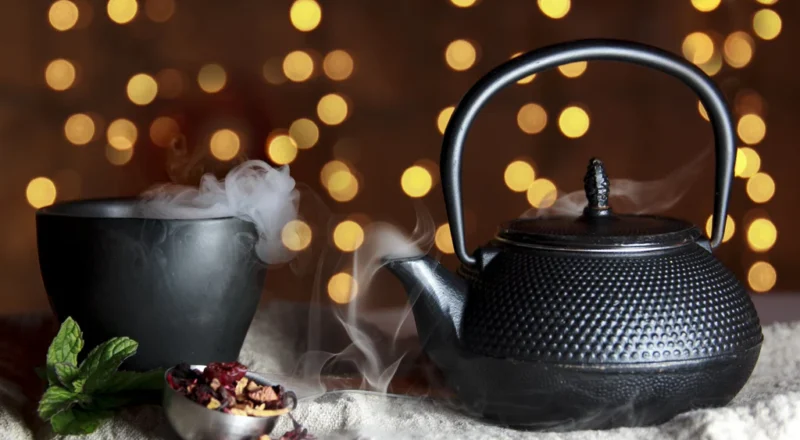
Preparing meals by the water brings a sense of calm and adventure, but it also requires the right gear. Whether you’re planning a simple picnic or a full outdoor feast, choosing lakeside cooking equipment that’s reliable, portable, and suited for open-air environments makes all the difference. This guide explores essential tools, material choices, and practical tips for anyone looking to elevate their shoreline dining experience.
Cooking outdoors, especially near water, introduces unique challenges—wind, moisture, and uneven terrain can all impact your setup. By understanding which tools work best and how to care for them, you’ll be able to enjoy delicious, stress-free meals by the lake. For those interested in the historical context of outdoor cookware, the evolution of cooking vessels offers fascinating insights into how pots and pans have adapted to different environments over time.
Choosing the Right Gear for Waterside Cooking
When selecting lakeside cooking equipment, portability and durability are top priorities. The best tools are those that can withstand the elements, pack down easily, and perform consistently over open flames or portable stoves. Here are some categories to consider:
- Portable stoves: Compact gas or alcohol stoves are ideal for quick setup and precise heat control. Look for models with windshields and stable bases.
- Cast iron cookware: Known for even heating and resilience, cast iron skillets and Dutch ovens are classics for outdoor meals. They’re heavy, but their performance is unmatched for lakeside cooking.
- Lightweight pots and pans: Aluminum or titanium sets offer a lighter alternative, especially for those hiking to remote spots. They heat up quickly but may require more attention to avoid burning food.
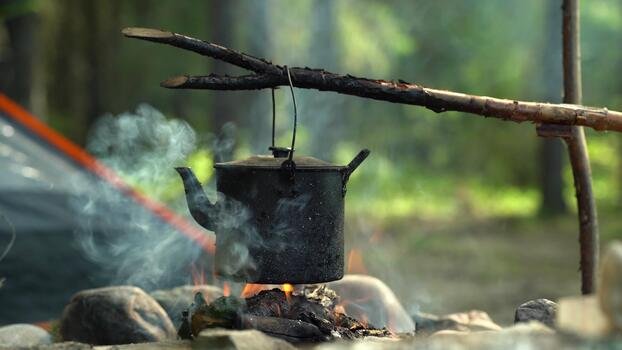
- Grates and tripods: For those who prefer cooking over an open fire, a sturdy grate or tripod allows you to grill, boil, or simmer with ease.
- Utensils and accessories: Don’t forget long-handled tongs, spatulas, and heat-resistant gloves. Collapsible or nesting sets save space in your pack.
Material Matters: Cast Iron, Stainless Steel, and More
The material of your cookware affects not only how your food cooks but also how easy it is to clean and maintain. Here’s a breakdown of popular options for shoreline meals:
- Cast iron: Excellent for heat retention and flavor development. With proper seasoning and care, it can last generations. For maintenance tips and restoration, consider a Buy Care Kit on Amazon.
- Stainless steel: Durable, rust-resistant, and easy to clean. It’s a solid choice for boiling or simmering, though it doesn’t retain heat as well as cast iron.
- Aluminum and titanium: Lightweight and quick to heat, these are best for backpackers. However, they can warp over high flames and may not distribute heat as evenly.
For a deeper dive into the history and science behind these materials, the article on metal casting history provides valuable context.
Essential Lakeside Cooking Equipment Checklist
To make your shoreline meal a success, it helps to have a checklist. Here’s a practical rundown of must-have items for lakeside cooking:
- Fire source: Portable stove, grill, or fire pit (where permitted)
- Cookware: Skillet, pot, or Dutch oven suited to your menu
- Fuel: Propane, butane, or firewood (check local regulations)
- Utensils: Tongs, spatula, ladle, and a sharp knife
- Cutting board: Compact and easy to clean
- Cleaning supplies: Biodegradable soap, sponge, and towel
- Heat protection: Gloves or pot holders
- Food storage: Cooler or insulated bag for perishables
- Water: For cooking, cleaning, and extinguishing fires
Having these essentials on hand ensures you’re ready for anything, from a quick snack to a multi-course meal by the lake.
Cooking Techniques for the Shoreline
Outdoor cooking by the water opens up a range of techniques. Here are a few popular methods:
- Grilling: Use a portable grate or grill for fish, vegetables, and skewers. The smoky flavor pairs perfectly with the lakeside atmosphere.
- Simmering and boiling: A sturdy pot or kettle lets you make soups, stews, or boil water for coffee and tea. For more on traditional broths and fire pit recipes, see broth making over fire pits.
- Pan frying: Cast iron skillets excel at frying up breakfast or searing fresh-caught fish.
- Foil packet cooking: Wrap ingredients in foil and place them on hot coals for a simple, no-mess meal.
Always check local fire restrictions before lighting any open flame, and be prepared to adapt your methods to the conditions at your chosen spot.
Care and Maintenance of Outdoor Cookware
Proper care extends the life of your lakeside cooking equipment and keeps meals tasting great. Here are some maintenance tips:
- Clean promptly: Wash cookware soon after use to prevent residue buildup. Use biodegradable soap and avoid abrasive pads on seasoned surfaces.
- Dry thoroughly: Moisture can cause rust, especially on cast iron. Dry your gear completely before packing it away.
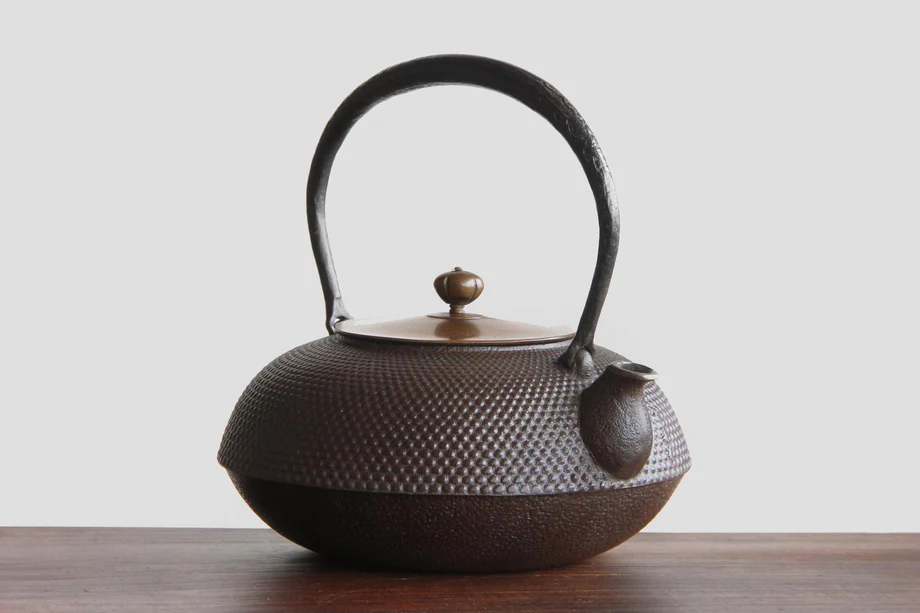
- Season cast iron: Regularly apply a thin layer of oil to maintain the nonstick surface and prevent corrosion. For more on this, see this guide to iron kettles and teapots.
- Store carefully: Pack gear in a dry bag or container to avoid water exposure during transport.
Investing a little time in maintenance ensures your equipment is always ready for the next adventure.
Enhancing Your Shoreline Cooking Experience
Beyond the basics, a few thoughtful additions can make your lakeside meals more enjoyable:
- Wind protection: A folding windshield for your stove or fire pit helps maintain steady heat.
- Seating and surfaces: Lightweight camp chairs and a folding table add comfort and convenience.
- Lighting: Headlamps or lanterns keep your cooking area safe and functional after sunset.
- Food presentation: Simple touches like enamelware plates or wooden boards elevate the meal.
For those interested in integrating natural elements into their setup, the article on rustic focal point landscaping offers creative ideas for blending metal and stone features into your outdoor space.
Frequently Asked Questions
What is the best cookware material for lakeside meals?
Cast iron is a favorite for its heat retention and durability, but stainless steel and lightweight alloys like aluminum or titanium are also popular for their portability and ease of cleaning. The best choice depends on your cooking style and how far you need to carry your gear.
How do I prevent my cookware from rusting after cooking by the lake?
Dry your cookware thoroughly after washing, and apply a thin layer of oil to cast iron surfaces. Store all equipment in a dry bag or container to keep moisture out during transport.
Are there any safety tips for cooking near water?
Always check local fire regulations before starting a fire. Set up your cooking area on stable ground away from the water’s edge, and keep a bucket of water or sand nearby to extinguish flames. Be mindful of wind direction and keep flammable items away from open flames.


