
Outdoor cooking offers a unique experience, whether you’re simmering broth over a fire pit or grilling at a campsite. However, one of the most persistent challenges is dealing with wind. Gusts can disrupt your flame, cause uneven heating, and even extinguish your fire entirely. Wind protection for cooking fires is essential for anyone who wants consistent results and a safer, more enjoyable outdoor cooking session.
Understanding how to shield your flames from the elements not only improves efficiency but also helps conserve fuel and maintain control over your cooking temperature. This guide covers practical solutions, from simple windbreaks to gear recommendations, ensuring your next meal cooked over an open flame is steady and successful.
For those interested in the historical context of outdoor cooking, the evolution of cooking vessels provides valuable insight into how people have adapted their methods and tools to overcome environmental challenges like wind.
Why Wind Disrupts Outdoor Cooking
Wind is more than a minor inconvenience when preparing food outdoors. It can:
- Blow out flames or embers, especially in lightweight stoves or open fire pits.
- Cause uneven heating, making it difficult to cook food thoroughly.
- Increase fuel consumption as you compensate for heat loss.
- Scatter ash or debris onto your food and cookware.
These issues can turn a relaxing outdoor meal into a frustrating experience. That’s why having reliable wind protection for cooking fires is a must for campers, backyard chefs, and anyone cooking outside.
Types of Wind Protection for Outdoor Flames
There are several effective ways to shield your fire or stove from wind. The best choice depends on your cooking setup, location, and the intensity of the wind.
Portable Windshields and Barriers
One of the simplest solutions is a portable windscreen. These are typically made of metal or heat-resistant materials and can be set up around your fire or stove. They’re lightweight, foldable, and easy to pack, making them ideal for camping trips.
- Metal windscreens for backpacking stoves are widely available and effective for small flames.
- DIY options include using aluminum foil, baking sheets, or even rocks arranged in a semi-circle.
- Larger setups may use folding panels or custom-built barriers for fire pits and grills.

Natural Windbreaks and Site Selection
Sometimes, the best defense is choosing the right spot. Position your fire or stove:
- Behind natural barriers like boulders, logs, or dense shrubs.
- On the leeward side of a hill or slope, where wind is less intense.
- In a shallow pit (where allowed), which can help block wind at ground level.
Always ensure your chosen location is safe and permitted for open flames. Avoid areas with overhanging branches or dry grass that could catch fire.
Enclosed Fire Pits and Stoves
Modern fire pits and camp stoves often come with built-in wind protection. Enclosed designs with high sides or lids help keep flames steady and reduce heat loss. Some models feature adjustable vents to control airflow, further improving efficiency in breezy conditions.
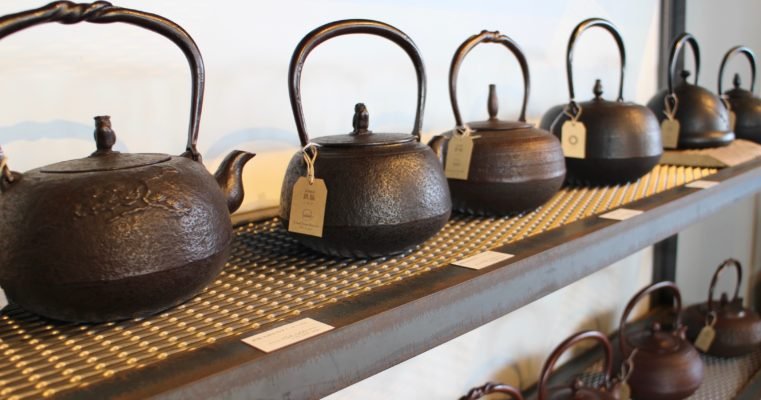
For those interested in traditional methods, Japanese iron kettles and teapots are designed to withstand outdoor elements. Learn more about their construction and use in this guide to iron kettles and teapots.
DIY Wind Protection Strategies
If you don’t have a commercial windscreen, there are several creative ways to improvise wind protection for your cooking fire:
- Arrange rocks, bricks, or logs in a semi-circle around the fire, leaving enough space for airflow.
- Use a metal baking sheet or grill lid as a temporary barrier.
- Dig a shallow trench and build your fire below ground level (where regulations allow).
- Set up your tent, tarp, or vehicle as a windbreak, but always maintain a safe distance from open flames.
These methods are especially useful in remote areas or when you need a quick solution.

Tips for Safe and Effective Wind Barriers
While blocking the wind is important, safety should always come first. Here are some essential tips:
- Never completely enclose a fire or stove; allow for adequate ventilation to prevent smoke buildup and maintain combustion.
- Keep flammable materials, including tarps and tents, at a safe distance from open flames.
- Monitor wind direction and adjust your barrier as needed.
- Always have water or a fire extinguisher nearby in case of emergencies.
By following these guidelines, you can enjoy steady flames without compromising safety.
Choosing the Right Gear for Windy Conditions
Investing in quality equipment can make a significant difference when cooking outdoors. Here’s what to look for:
- Sturdy windscreens that can withstand strong gusts and repeated use.
- Fire pits or stoves with high sides or built-in wind protection features.
- Heavy-duty cookware, such as cast iron, which retains heat better and is less affected by wind.
- Fuel-efficient stoves designed for variable weather conditions.
For those who cook at high altitudes or in exposed locations, specialized setups like those discussed in mountain camp cooking setups can offer additional protection and convenience.
Maintaining Your Equipment After Windy Cooks
Windy conditions can blow ash, grit, and debris onto your cookware. After each session:
- Clean your pots, pans, and windshields thoroughly to prevent buildup.
- Inspect for damage or warping, especially if using improvised barriers.
- Store your gear in a dry place to avoid rust and corrosion.
Proper care ensures your equipment lasts longer and performs reliably in future outdoor cooking adventures.
Frequently Asked Questions
What is the best material for a windscreen?
Aluminum and stainless steel are popular choices because they are lightweight, durable, and heat-resistant. These materials are easy to clean and can be folded or shaped as needed. For larger fires, stone or brick barriers are effective but less portable.
Can I use a tarp or tent as a windbreak?
While tents and tarps can provide some shelter from the wind, they should never be placed too close to open flames due to the risk of fire. Always maintain a safe distance and use natural or non-flammable barriers whenever possible.
How do I keep my fire burning in strong wind?
Use a combination of windbreaks, proper site selection, and fuel management. Build your fire in a sheltered spot, use a windscreen or natural barrier, and keep your fuel dry. Adjust your setup as the wind shifts to maintain a steady flame.
Conclusion
Cooking outdoors is rewarding, but wind can quickly turn a simple meal into a challenge. By understanding the importance of wind protection for cooking fires and using the right strategies and gear, you can keep your flames steady and your food cooking evenly. Whether you’re using a portable stove, a fire pit, or traditional methods, a little preparation goes a long way toward a successful outdoor meal. For more inspiration on outdoor cooking techniques, check out broth making over fire pits and explore the rich metal casting history behind your favorite cookware.


