
There’s something deeply satisfying about preparing a rich, flavorful broth outdoors, letting it simmer slowly over a crackling fire pit. This method not only brings out the best in your ingredients but also connects you to a tradition that spans centuries. Whether you’re a seasoned outdoor cook or just starting to explore open-fire cuisine, learning the essentials of broth making over fire pits can elevate your campfire meals and add a rustic charm to your cooking repertoire.
In this guide, you’ll discover the best equipment, ingredient tips, and step-by-step techniques for creating nourishing broths outside. We’ll also cover important safety considerations and offer advice for maintaining your cast iron cookware, ensuring your outdoor cooking adventures are both delicious and safe.
For those interested in expanding their outdoor cooking skills, you might also enjoy our detailed guide on cooking stews over open flames, which covers similar techniques and tips for hearty campfire meals.
Essential Equipment for Outdoor Broth Simmering
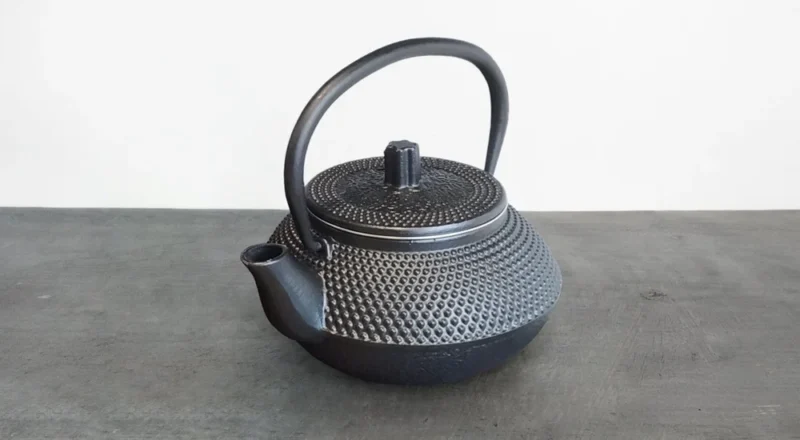
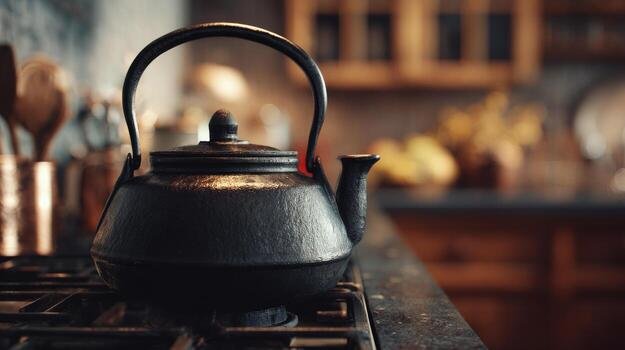
Choosing the right tools is crucial for successful broth making over fire pits. The most popular and reliable option is a cast iron pot or kettle, known for its heat retention and durability. Cast iron distributes heat evenly, making it ideal for slow-simmering broths and soups. If you’re curious about the differences between iron kettles and teapots, check out this comprehensive guide to iron kettles and teapots for more insights.
- Cast iron Dutch oven or kettle: Perfect for long, gentle simmering.
- Fire pit grate or tripod: Keeps your pot stable and at the right distance from the flames.
- Long-handled utensils: Stirring and ladling are safer with extended handles.
- Heat-resistant gloves: Essential for handling hot cookware over open flames.
Proper care of your cast iron is vital. Season your pot before use and clean it thoroughly after each cooking session to prevent rust and maintain its non-stick surface.
Choosing Ingredients for Flavorful Outdoor Broths
One of the joys of outdoor broth simmering is the flexibility to use what you have on hand. However, certain ingredients consistently deliver rich, satisfying flavors:
- Meaty bones: Beef, chicken, or pork bones provide depth and body.
- Aromatic vegetables: Onions, carrots, celery, and garlic are classic choices.
- Herbs and spices: Bay leaves, thyme, parsley, and peppercorns add complexity.
- Salt: Start with a small amount and adjust as the broth reduces.
For a vegetarian option, use mushrooms, seaweed, and root vegetables to create a savory, umami-rich base. Outdoor simmering allows for experimentation, so don’t hesitate to add wild herbs or foraged greens if you have them available.
Step-by-Step Guide to Broth Making over Fire Pits
Mastering broth making over fire pits involves a few key steps. Here’s a straightforward process to help you achieve a deeply flavored, clear broth every time:
- Build a steady fire: Start with dry hardwood for a consistent, hot base. Allow the fire to burn down to glowing coals before cooking.
- Prepare your ingredients: Roughly chop vegetables and rinse bones. Roasting bones over the fire for a few minutes before simmering can enhance flavor.
- Combine in the pot: Place bones, vegetables, herbs, and water into your cast iron vessel. Fill with enough water to cover all ingredients, leaving space to prevent boiling over.
- Simmer gently: Position the pot over the fire pit grate or hang it from a tripod. Maintain a gentle simmer—avoid a rolling boil, which can cloud the broth.
- Skim regularly: Use a ladle to remove foam and impurities from the surface as the broth cooks.
- Cook low and slow: Simmer for several hours (3–8, depending on your ingredients). Add water as needed to keep ingredients submerged.
- Strain and season: When done, carefully remove the pot from the fire. Strain the broth through a fine mesh sieve and adjust seasoning to taste.
Patience is key—longer simmering extracts more flavor and nutrients, resulting in a richer broth.

Tips for Success and Safety When Cooking Outdoors
Open-fire cooking is rewarding but requires attention to safety and technique. Here are some practical tips for making your outdoor broth simmering both enjoyable and safe:
- Choose a safe location: Set up your fire pit away from flammable materials and always have water or sand nearby to extinguish flames if needed.
- Monitor the fire: Keep the heat steady by adding small amounts of wood as needed. Avoid large flare-ups that can scorch your broth or damage cookware.
- Handle cookware carefully: Use heat-resistant gloves and long utensils to avoid burns.
- Clean up thoroughly: Dispose of ashes responsibly and clean your cast iron pot promptly to prevent rust.
Maintaining your cast iron is especially important after exposure to outdoor elements. For more on cleaning and seasoning, our article on soup preparation over wood fires offers additional advice tailored to open-fire cooking.
Creative Variations and Serving Ideas
Once you’ve mastered the basics, try experimenting with different flavor profiles and serving styles:
- Asian-inspired broths: Add ginger, lemongrass, and soy sauce for a fragrant twist.
- Hearty stews: After straining, return the broth to the pot and add root vegetables, beans, or grains for a filling meal.
- Wild greens: Incorporate foraged herbs or edible greens for a unique, local flavor.
- Rustic bread: Serve with crusty bread for dipping and soaking up every drop.
Outdoor broth making is as much about the experience as the end result. Gather friends or family around the fire, share stories, and enjoy the process as your meal slowly comes together.
Frequently Asked Questions
What is the best type of pot for simmering broth over a fire pit?
A heavy-duty cast iron Dutch oven or kettle is ideal. Cast iron retains and distributes heat evenly, making it perfect for slow-simmering broths. It’s also durable enough to withstand direct contact with flames and coals.
How do I keep my broth from becoming cloudy when cooking outdoors?
Maintain a gentle simmer rather than a rolling boil. Skim off foam and impurities regularly, and avoid stirring too vigorously. Roasting bones before simmering can also help produce a clearer broth.
Can I make vegetarian broth over a fire pit?
Absolutely. Use a mix of mushrooms, root vegetables, seaweed, and aromatic herbs to create a savory, umami-rich broth. The slow simmering process over the fire enhances the depth of flavor, even without meat.


