
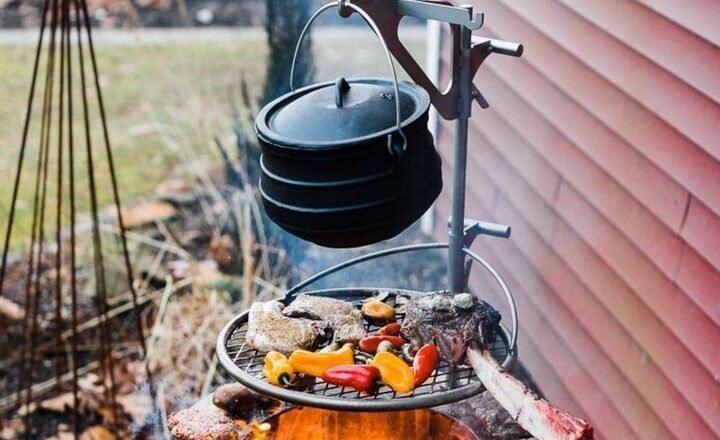
Cooking outdoors over an open flame is a rewarding experience, but it requires careful technique to ensure both safety and great results. One classic method is hanging a kettle over fire to boil water or prepare meals. This approach is popular among campers, bushcrafters, and anyone who enjoys rustic outdoor cooking. However, it’s important to use the right equipment and follow best practices to avoid accidents and get the most out of your gear.
This guide covers the essential steps, safety tips, and recommended tools for suspending a kettle above a fire. Whether you’re preparing coffee at a campsite or simmering broth at home, you’ll find practical advice to make your outdoor cooking setup both safe and efficient. For a deeper look at how cookware has evolved for these kinds of tasks, explore the evolution of cooking vessels and how historical designs influence modern outdoor gear.
Choosing the Right Equipment for Hanging a Kettle
Before you start, it’s crucial to select gear that’s designed for hanging a kettle over fire. The main components you’ll need include:
- Fire tripod or crossbar: A sturdy metal tripod or a horizontal bar supported by two posts is the most common and stable way to suspend a kettle. Many commercial tripods are collapsible for easy transport.
- Heat-resistant chain or hook: Use a steel chain or S-hook rated for high temperatures. Avoid materials that can melt or weaken in heat.
- Cast iron or stainless steel kettle: Choose a kettle designed for open flames. Cast iron is traditional and holds heat well, while stainless steel is lighter and resists rust.
Some outdoor setups use adjustable chains or notched poles to control the height of the kettle. This allows you to regulate cooking temperature by raising or lowering the pot above the flames.
Setting Up Your Fire and Cooking Area
Proper site preparation is essential for safety and cooking efficiency. Here’s how to prepare your fire area:
- Clear the ground: Remove leaves, twigs, and debris in a 6-foot diameter around your fire to prevent accidental spreading.
- Build a stable fire ring: Use rocks or a metal ring to contain the fire. This helps direct heat upward and supports your tripod or crossbar.
- Position your tripod or crossbar: Set up your support so it’s stable and won’t tip if bumped. Make sure the legs or supports are outside the hottest part of the fire.
- Start your fire: Use dry wood and kindling to build a small, controlled flame. Let it burn down to create a bed of coals for even heat.
Always keep a bucket of water or sand nearby in case you need to extinguish the fire quickly.

How to Hang and Adjust Your Kettle Over the Flames
Once your fire is established and your support structure is in place, it’s time to suspend your kettle. Follow these steps for a secure and safe setup:
- Attach the chain or hook: Securely fasten the chain or S-hook to the tripod or crossbar. Test the connection before adding the kettle.
- Hang the kettle: Carefully hang the kettle by its handle. Ensure it’s centered and balanced to prevent tipping or swinging.
- Adjust the height: Raise or lower the kettle to control the heat. For boiling water, position it closer to the flames. For simmering or slow cooking, move it higher above the coals.
- Monitor stability: Check that the tripod or crossbar remains stable as the kettle heats up. Avoid sudden movements that could shift the setup.
Never leave a suspended kettle unattended, especially if children or pets are nearby. Always use heat-resistant gloves when handling hot metal.
Safety Tips for Outdoor Cooking with a Suspended Kettle
Outdoor cooking over an open flame comes with unique risks. Keep these safety guidelines in mind:
- Choose a safe location: Set up your fire away from tents, trees, and flammable materials.
- Use only fire-safe gear: Avoid plastic or coated chains, and never use a kettle not rated for open flames.
- Keep handles and chains cool: Metal parts can get extremely hot. Use a stick or heat-resistant tool to adjust the kettle if needed.
- Extinguish the fire completely: When finished, douse the fire with water and stir the ashes to ensure no embers remain.
Following these precautions helps prevent burns, spills, and accidental fires.
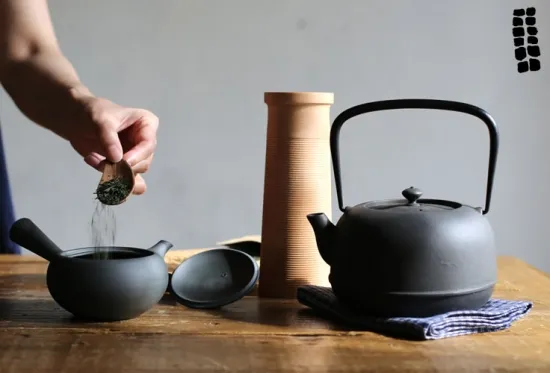
Cleaning and Maintaining Your Outdoor Kettle
Proper care extends the life of your kettle and ensures safe, tasty meals. After each use:
- Let the kettle cool: Allow it to cool naturally before handling or cleaning.
- Rinse with hot water: Avoid using soap on cast iron; instead, scrub with a brush and hot water. Stainless steel can be washed with mild soap if needed.
- Dry thoroughly: Prevent rust by drying the kettle over residual heat or with a towel.
- Season cast iron: Apply a thin layer of oil to cast iron kettles to protect against rust. For detailed steps, see this guide to seasoning cast iron kettles.
Regular maintenance ensures your kettle remains safe and functional for years of outdoor adventures.
Creative Outdoor Cooking Ideas Using a Suspended Kettle
Once you’ve mastered the basics, try experimenting with different recipes and techniques. A hanging kettle is perfect for:
- Boiling water for tea, coffee, or instant meals
- Simmering soups, stews, or broths (see more on broth making over fire pits)
- Cooking grains like rice or oatmeal
- Heating up pre-cooked meals for group camping
Adjusting the height of your kettle lets you control the intensity of the heat, making it easy to prepare a wide range of dishes outdoors.
Frequently Asked Questions
What is the safest way to hang a kettle over a campfire?
The safest method is to use a metal tripod or a sturdy crossbar with a heat-resistant chain or hook. Always ensure the setup is stable and the kettle is balanced directly over the fire. Never use makeshift supports that could collapse or catch fire.
How do I control the temperature when cooking with a suspended kettle?
Regulate the heat by raising or lowering the kettle above the flames. Lower positions are hotter and ideal for boiling, while higher positions are better for simmering. Adjust the fire itself by adding or removing wood to create more or fewer coals.
Can I use any kettle for cooking over an open fire?
No, only use kettles made from materials rated for open flames, such as cast iron or stainless steel. Avoid enamel-coated or aluminum kettles unless the manufacturer specifies they are safe for direct fire use.
Conclusion
Cooking with a suspended kettle is a time-honored outdoor tradition that combines practicality with a touch of adventure. By choosing the right equipment, setting up your fire safely, and following proper maintenance routines, you can enjoy delicious meals and hot drinks in the great outdoors. For more inspiration on outdoor setups, explore topics like mountain camp cooking setups and rustic focal point landscaping to enhance your next outdoor experience.


