
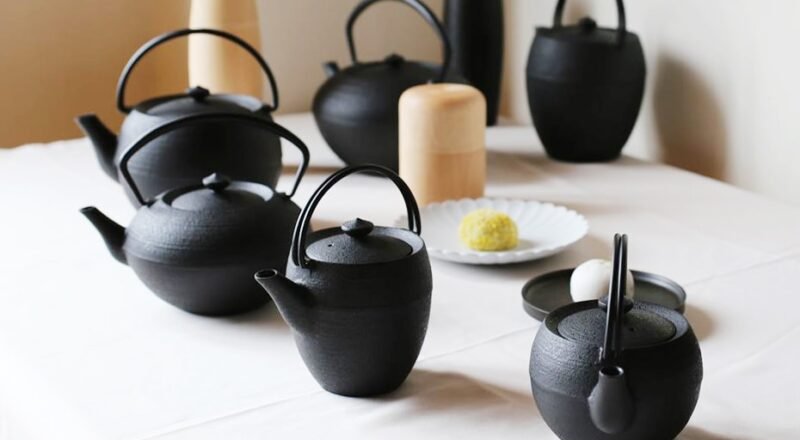
Creating a visually striking outdoor space often starts with a strong centerpiece. Rustic focal point landscaping brings together natural textures, timeworn materials, and functional art to anchor your garden or yard. By thoughtfully incorporating metal and stone features, you can achieve a landscape that feels both grounded and inviting—perfect for those who appreciate the charm of the outdoors and the durability of classic materials.
Whether you’re designing a cozy backyard retreat or enhancing a larger property, using elements like weathered iron, cast stone, and hand-forged accents can transform ordinary spaces into memorable gathering spots. This article explores key principles, practical tips, and creative ideas for using metal and stone to craft a truly rustic landscape focal point.
For those interested in outdoor cooking or communal gatherings, consider exploring broth making over fire pits for inspiration on integrating functional features into your rustic landscape.
Why Choose Metal and Stone for Your Outdoor Centerpiece?
Natural materials like stone and metal have long been favored in landscape design for their resilience and timeless appeal. When used as focal points, these materials offer several advantages:
- Durability: Both stone and metal withstand weather, wear, and the passage of time, developing a patina that enhances their rustic character.
- Low Maintenance: Unlike wood or synthetic materials, properly treated metal and stone require minimal upkeep.
- Visual Impact: Large stones, boulders, or sculptural metalwork immediately draw the eye and help define the flow of your outdoor space.
- Versatility: These materials blend well with a variety of garden styles, from wildflower meadows to structured patios.
By choosing metal and stone as your main features, you set a strong foundation for a landscape that feels authentic and enduring.
Designing with Rustic Focal Point Landscaping Principles
To create a cohesive and inviting landscape, it’s important to consider both the placement and style of your focal features. Here are some guiding principles:
- Balance and Scale: Select pieces that are proportionate to your space. A large boulder or iron sculpture can anchor a spacious yard, while a smaller cast iron kettle or stone basin suits intimate gardens.
- Natural Integration: Position your feature so it appears to emerge naturally from the environment. Nestle stones among native plants or set metalwork on gravel beds to soften transitions.
- Functionality: Rustic features can be more than decorative. Fire pits, water features, or outdoor cooking stations add utility as well as visual interest.
- Texture and Contrast: Combine rough-hewn stone with smooth metal, or pair rusted iron with lush greenery, to create dynamic contrasts that highlight each material’s unique qualities.
Popular Metal and Stone Features for Rustic Landscapes
There are countless ways to use metal and stone in your outdoor design. Here are some of the most effective and attractive options:
Cast Iron Kettles and Fire Pits
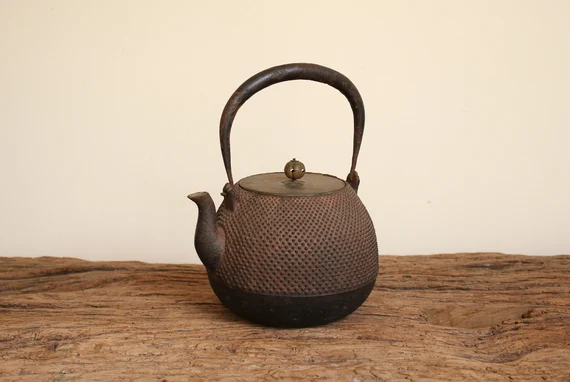
One of the most iconic elements in rustic landscaping is the cast iron kettle or cauldron. These pieces evoke a sense of history and can be used as planters, water basins, or even as the centerpiece of a fire pit area. Their sturdy construction and weathered finish make them ideal for outdoor use.
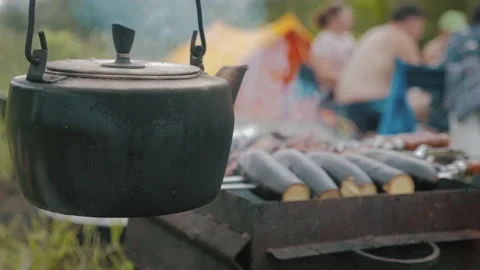
For those who use cast iron outdoors, proper care is essential. Learn about how to season and maintain cast iron kettles to keep them looking their best year after year.
Stone Benches and Gathering Spots
Hand-carved stone benches or seating circles made from boulders create natural gathering places. These features encourage relaxation and conversation, making them perfect for family spaces or social gardens. The tactile quality of stone invites touch and connection with nature.
Metal Sculptures and Garden Art
Wrought iron, corten steel, and other weathering metals are popular choices for rustic garden art. Sculptures, trellises, or even simple ironwork stakes can add height and visual intrigue. Over time, these metals develop a rich patina that enhances their rustic charm.
Stone Pathways and Stepping Stones
Flagstone paths, cobblestone walkways, or irregular stepping stones guide visitors through your landscape while adding texture and authenticity. These paths can lead to your central feature, drawing attention and encouraging exploration.
Tips for Installing and Maintaining Rustic Features
Proper installation and care will ensure your metal and stone elements last for years and continue to enhance your landscape:
- Foundation: Set heavy stones or metalwork on a stable base of compacted gravel or sand to prevent shifting.
- Drainage: Ensure water can drain away from metal features to reduce rust and prolong their life.
- Sealing Stone: Some types of stone benefit from a breathable sealant to prevent staining and weather damage.
- Metal Care: Remove debris and occasionally apply a protective oil or wax to ironwork. For cast iron, regular seasoning helps prevent rust and keeps the surface looking rich.
For those who enjoy outdoor cooking or entertaining, integrating rustic features with practical uses—such as a fire pit for communal meal cooking methods—can add both beauty and function to your space.
Blending Rustic Features with Plantings
To achieve a harmonious look, pair your metal and stone focal points with the right plantings:
- Native Grasses and Wildflowers: These soften the edges of hard materials and attract pollinators.
- Evergreens: Provide year-round structure and a lush backdrop for your centerpiece.
- Climbing Vines: Train over trellises or iron arches for a romantic, overgrown effect.
- Moss and Groundcovers: Fill gaps between stones for a lived-in, established appearance.
Thoughtful planting enhances the rustic feel and ensures that your focal point feels integrated rather than isolated.
Frequently Asked Questions
What are the best metals for outdoor rustic landscaping?
Wrought iron, corten steel, and cast iron are excellent choices. These metals develop a natural patina over time, which adds to their rustic appeal. Stainless steel can also be used, but it lacks the weathered character of more traditional metals.
How do I prevent rust on outdoor metal features?
Regular maintenance is key. For cast iron, apply a thin layer of oil and season as needed. Wrought iron can be protected with wax or specialized coatings. Ensure good drainage and avoid letting water pool on surfaces. For more detailed care, refer to guides on seasoning and maintaining cast iron outdoors.
Can rustic focal points be functional as well as decorative?
Absolutely. Many rustic elements, such as fire pits, benches, or water features, serve both practical and aesthetic purposes. Integrating these features can enhance the usability of your outdoor space while reinforcing the rustic theme.
Conclusion
Incorporating metal and stone into your landscape design is a proven way to create a memorable and enduring outdoor centerpiece. By following the principles of rustic focal point landscaping, you can craft a space that feels both timeless and welcoming. Whether you choose a weathered iron kettle, a hand-carved stone bench, or a dramatic sculpture, these features will anchor your garden and invite people to gather, relax, and enjoy the outdoors.
For more inspiration on outdoor gatherings and rustic design, explore topics like rustic event catering equipment and pioneer cooking techniques to see how functional art can enrich your landscape and your lifestyle.


