
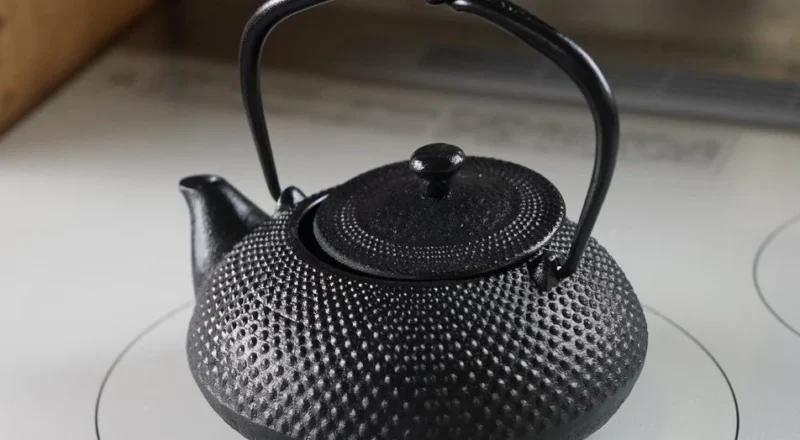
Achieving the perfect results with kettle cooking depends heavily on understanding and managing temperature. Whether you’re brewing tea, preparing broth, or simmering a rustic stew over an open fire, kettle cooking temperature control is the key to unlocking flavor and consistency. This guide explores the principles behind managing heat, the best tools for the job, and practical tips for both beginners and seasoned outdoor cooks.
From the choice of kettle material to the nuances of flame adjustment, every detail matters. If you’re passionate about outdoor feasts or historical cooking methods, learning to master heat will elevate your culinary experience. For those interested in broader fire-based techniques, you might also enjoy reading about broth making over fire pits, which covers slow-simmered recipes using similar temperature management skills.
Why Temperature Matters in Kettle Cooking
Precise heat management is crucial when using a kettle, especially over an open flame or coals. Too much heat can cause water to boil rapidly, leading to over-extraction of tea or burnt food. Too little, and you risk undercooking or failing to extract flavors. The art of temperature control for kettle cooking lies in finding that sweet spot where ingredients gently simmer, flavors meld, and nothing scorches.
Different recipes require different levels of heat. For example, delicate teas benefit from water just below boiling, while hearty broths need a steady simmer. Understanding these distinctions helps you tailor your approach for each meal.
Choosing the Right Kettle for Heat Control
The material and design of your kettle play a significant role in how well you can manage temperature. Cast iron, stainless steel, and copper each have unique heat retention and distribution properties:
- Cast Iron: Excellent for even heat distribution and slow simmering. Retains heat well, making it ideal for long-cooked dishes.
- Stainless Steel: Heats quickly and is lightweight, but may require more attention to avoid hot spots.
- Copper: Offers rapid response to temperature changes, perfect for recipes needing quick adjustments.
For a deeper dive into the pros and cons of kettle materials, check out this guide on the best metals for a kettle. Choosing wisely will make maintaining your desired cooking temperature much easier.
Mastering the Flame: Techniques for Consistent Heat
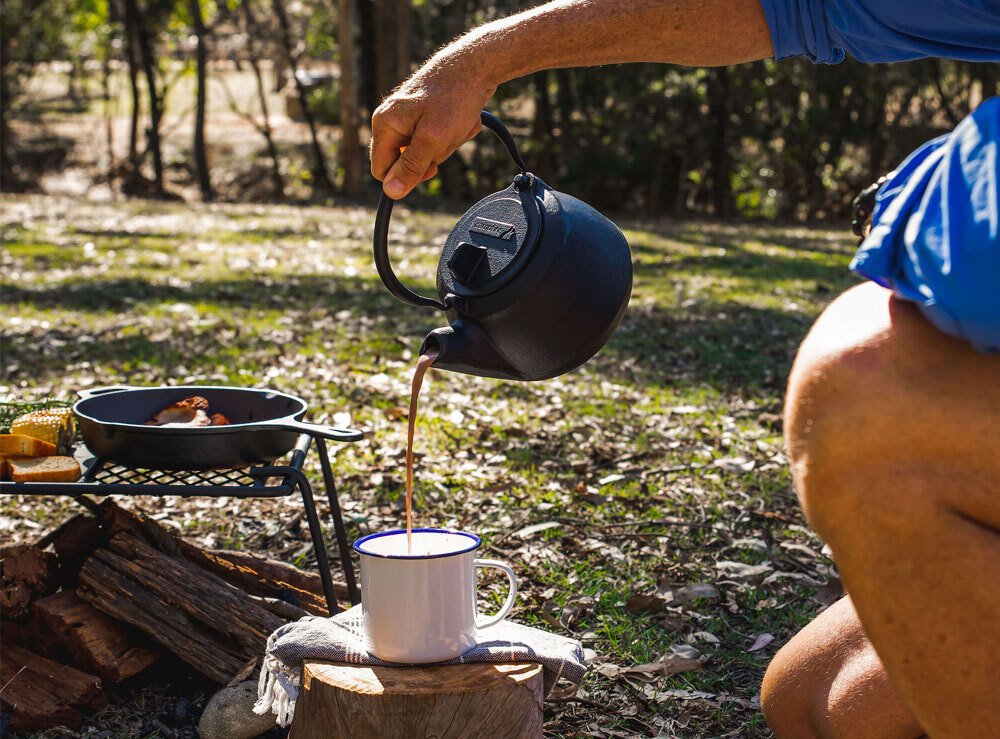
Whether you’re cooking over a campfire, gas burner, or wood stove, controlling the flame is essential for kettle cooking temperature control. Here are some practical methods:
- Adjusting Distance: Raising or lowering the kettle above the heat source can fine-tune the temperature. Many outdoor setups use adjustable tripods or grates for this purpose.
- Managing Fuel: Adding or removing wood, charcoal, or adjusting a gas knob allows you to increase or decrease heat as needed.
- Wind and Weather: Outdoor conditions can affect flame intensity. Shielding your cooking area from wind helps maintain steady heat.
Monitoring the sound and appearance of boiling water is also helpful. A gentle simmer is usually indicated by small bubbles and little steam, while a rolling boil produces vigorous bubbling and lots of steam.
Tools and Accessories for Better Heat Management
Several accessories can help you achieve more precise kettle temperature control:
- Thermometers: An instant-read thermometer is invaluable for checking water temperature, especially for tea or coffee preparation.
- Heat Diffusers: Placing a diffuser between the flame and kettle helps distribute heat evenly, reducing the risk of scorching.
- Tripods and Adjustable Grates: These allow you to control the height of your kettle over the fire, making it easier to maintain a steady simmer.
For those interested in historical or communal cooking, methods like communal meal cooking methods often use large kettles and require careful temperature management to serve many people at once.
Cleaning and Maintenance for Consistent Results
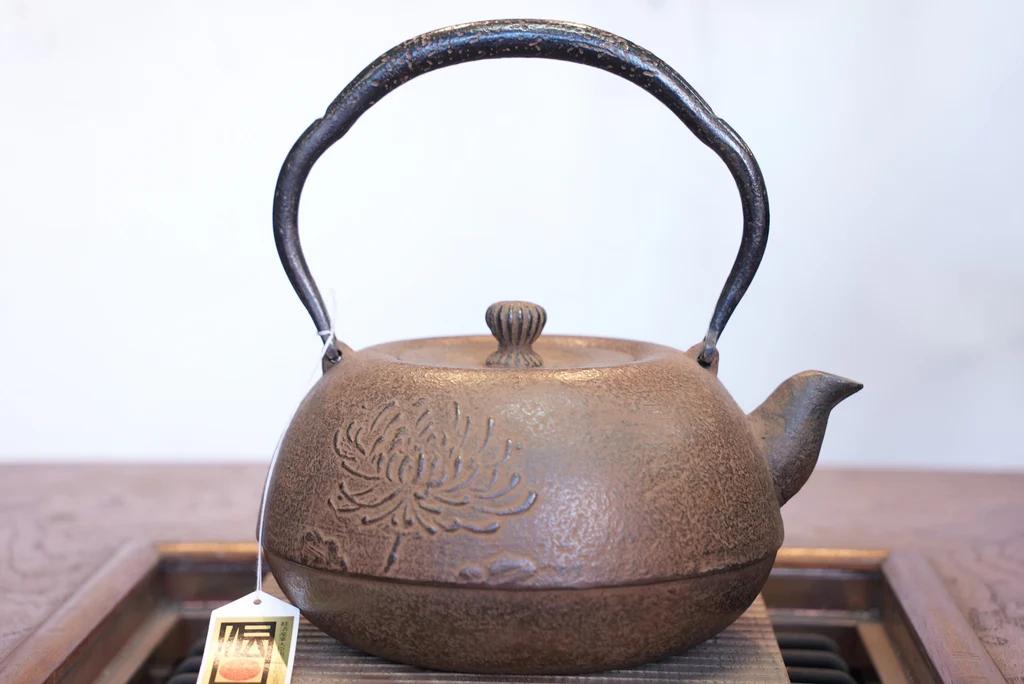
Proper care of your kettle ensures it performs well and maintains even heat distribution. After each use, clean your kettle thoroughly, especially if you’ve cooked anything other than water. For cast iron, seasoning is essential to prevent rust and maintain non-stick properties. Stainless steel and copper require regular polishing to avoid tarnish and buildup.
Investing in a quality care kit can make maintenance easier and extend the life of your kettle. This is especially important if you use your kettle frequently for outdoor cooking or over open flames.
Common Mistakes and How to Avoid Them
Even experienced cooks can make errors when managing heat. Here are some frequent pitfalls and solutions:
- Overheating: Avoid placing your kettle directly in high flames unless a rapid boil is needed. Use indirect heat for slow cooking.
- Neglecting to Stir: For recipes with solids, occasional stirring prevents sticking and ensures even cooking.
- Ignoring Environmental Factors: Wind, humidity, and altitude all affect boiling points and heat retention. Adjust your methods as needed for outdoor conditions.
Learning from these common mistakes will help you achieve more reliable results and make your outdoor or indoor kettle cooking more enjoyable.
Expanding Your Skills Beyond the Basics
Once you’re comfortable with the fundamentals, try experimenting with different fuels, kettle types, and recipes. Exploring pioneer cooking techniques or using medieval feast cookware can add a historical dimension to your cooking adventures. Each method offers unique challenges and learning opportunities for temperature management.
For those catering to larger groups or outdoor events, understanding rustic event catering equipment can help you scale your kettle cooking while maintaining control over heat and timing.
FAQ
How can I tell if my kettle is at the right temperature without a thermometer?
Observing the water’s behavior is a reliable method. Small bubbles and gentle steam indicate a simmer (around 185–205°F or 85–96°C), while a rolling boil is characterized by vigorous bubbling and lots of steam. Listening for a soft hiss or gentle bubbling also helps.
What is the best fuel for steady kettle cooking temperature?
Charcoal and hardwoods are preferred for outdoor setups because they burn steadily and allow for easier temperature adjustments. Gas burners provide precise control indoors. The key is to use a consistent heat source and adjust as needed for your recipe.
How do I prevent my kettle from developing hot spots?
Using a heat diffuser or adjusting the kettle’s position over the flame helps distribute heat evenly. Stirring the contents occasionally and choosing a kettle with good heat retention, like cast iron, also minimizes hot spots.
Conclusion
Effective kettle cooking temperature control is a blend of the right equipment, attentive technique, and a bit of practice. By choosing the appropriate kettle, mastering your heat source, and maintaining your gear, you’ll consistently achieve delicious results. Whether you’re brewing tea, simmering broth, or preparing a feast for friends, these skills will serve you well in any setting.


