
Recreating the atmosphere and flavors of a medieval banquet requires more than just period recipes and costumes. The tools used for historic cooking play a crucial role in achieving authenticity and enhancing the experience. Whether you’re preparing a feast for a living history event, a themed gathering, or simply exploring traditional culinary techniques, understanding the essentials of medieval feast cookware is key to success.
This guide explores the most important cookware used in medieval-style outdoor and hearth cooking, how to select authentic gear, and tips for maintaining your equipment. Along the way, you’ll find practical advice for both beginners and experienced reenactors, as well as resources for expanding your historic cooking skills.
For those interested in expanding their outdoor cooking repertoire, check out broth making over fire pits for inspiration on slow-simmered recipes and fire management techniques.
Essential Types of Cookware for Medieval-Style Feasts
Authentic historic cooking relies on a handful of versatile tools. While materials and designs varied by region and era, several types of cookware were staples at medieval banquets and encampments. Here are the most important pieces to consider for your own historic kitchen:
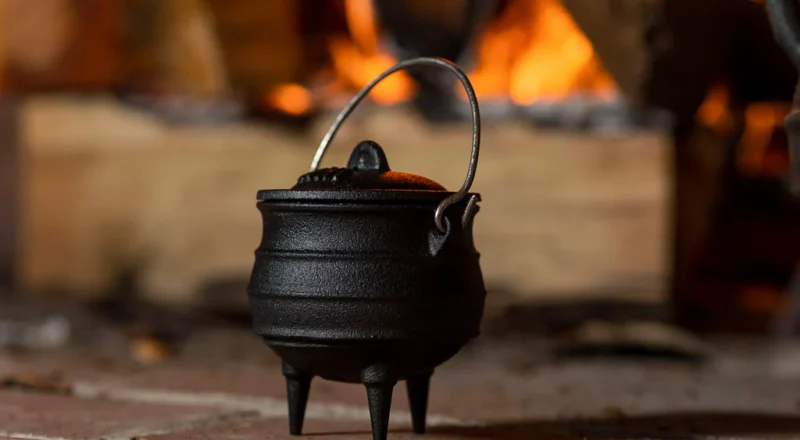
- Cauldrons and Pots: Large, heavy vessels made from iron or bronze were used for boiling, stewing, and brewing. Their rounded bottoms and sturdy handles made them ideal for hanging over open flames.
- Griddles and Trivets: Flat iron plates and raised supports allowed cooks to bake bread, fry meats, or toast grains directly over coals.
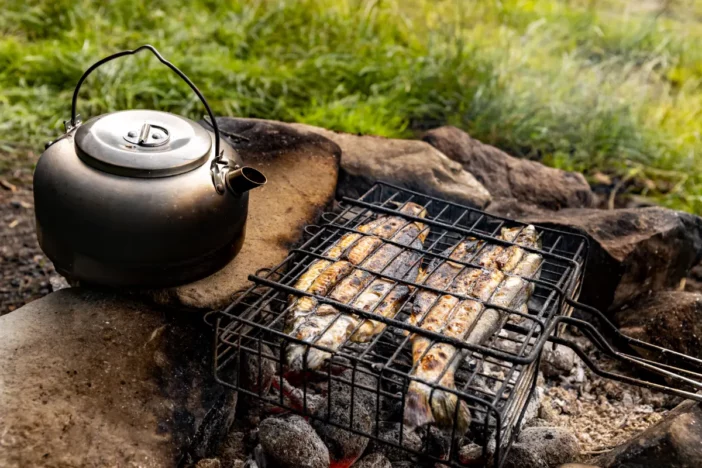
- Spits and Roasting Racks: Rotating spits and simple racks enabled the roasting of whole birds, joints of meat, and even fish, providing the smoky flavors associated with medieval feasts.
- Skillets and Pans: Shallow pans with long handles were used for sautéing vegetables, frying eggs, and preparing sauces. Cast iron versions are still popular among historic cooks today.
- Baking Domes and Clay Ovens: For bread and pies, portable clay ovens or domed lids helped replicate the effect of a hearth oven.
Materials: Cast Iron, Clay, and Beyond
The choice of material impacts both the cooking process and the authenticity of your setup. Here’s a breakdown of the most common options for medieval feast cookware:
- Cast Iron: Durable, excellent at retaining heat, and widely used from the late medieval period onward. Modern cast iron is a practical choice for reenactments and outdoor feasts.
- Clay and Earthenware: Used for both cooking and serving, clay pots impart a unique flavor and are ideal for slow-simmered dishes. They require careful handling and seasoning.
- Bronze and Copper: Less common but prized for their heat conductivity. These metals were often reserved for wealthier households or special occasions.
For a deep dive into selecting the right vessel for boiling and brewing, see this comprehensive guide to choosing a cast iron kettle.
Cooking Over Open Flames: Fire Management and Safety
Historic outdoor cooking is as much about managing fire as it is about the food itself. Proper fire control ensures even cooking and safety for everyone involved. Here are a few practical tips:
- Build a stable fire pit or use a portable brazier to contain flames and embers.
- Use hardwoods for a steady, long-lasting heat source.
- Arrange cookware at varying heights above the fire to control temperature.
- Keep water or sand nearby for emergencies and always supervise the fire.
Care and Maintenance of Historic Cookware
Proper maintenance extends the life of your gear and preserves its cooking qualities. Here’s how to care for the most common materials:
- Cast Iron: Wash with hot water and a stiff brush after use. Dry thoroughly and apply a thin layer of oil to prevent rust. Avoid soap or soaking, which can strip seasoning.
- Clay Pots: Soak before first use to prevent cracking. Clean with warm water only and allow to air dry completely. Store in a dry place to avoid mold.
- Bronze/Copper: Hand wash and dry immediately. Polish occasionally to maintain shine, but avoid abrasive cleaners that can damage the surface.
For more on cleaning and maintaining large cookware, explore large capacity camp cooking for tips on feeding a crowd and keeping your gear in top shape.
Choosing the Right Gear for Your Feast
When assembling your collection of medieval feast cookware, consider the following factors:
- Authenticity: Research the period and region you wish to represent. Look for reproductions based on archaeological finds or museum pieces.
- Functionality: Choose versatile pieces that can handle multiple tasks, such as a cauldron for soups and stews or a skillet for frying and baking.
- Portability: If you plan to cook outdoors or travel to events, opt for gear that is easy to transport and set up.
- Budget: While hand-forged or artisan pieces are ideal, modern cast iron or clay cookware can offer excellent performance at a lower cost.
Don’t overlook the importance of utensils—wooden spoons, ladles, and tongs are essential for safe handling and stirring.
Serving and Presentation: Bringing History to the Table
Presentation was a key element of medieval banquets. Serving food in period-appropriate vessels enhances the immersive experience. Consider using wooden trenchers, ceramic bowls, and pewter plates for an authentic touch. Garnish dishes with fresh herbs and edible flowers, and serve drinks in clay mugs or horn cups.
For a step-by-step guide to preparing hearty stews over an open fire, see cooking stews over open flames for detailed instructions and recipe ideas.

Expanding Your Historic Cooking Skills
Mastering the art of medieval-style outdoor cooking is a rewarding journey. Experiment with different techniques, such as baking bread under a dome, roasting on a spit, or simmering broths for hours. For more inspiration, visit backyard feast preparation for tips on organizing your own historic cookout, or explore soup preparation over wood fires for delicious outdoor recipes.
Joining reenactment groups or attending living history events can provide hands-on experience and connect you with a community of enthusiasts. Many festivals offer workshops on period cooking, fire building, and gear maintenance.
Frequently Asked Questions
What is the most versatile piece of medieval cookware for outdoor feasts?
The cauldron is often considered the most versatile, as it can be used for boiling, stewing, brewing, and even baking when paired with a lid or dome. Its ability to hang over open flames makes it ideal for a variety of historic recipes.
How do I season and care for cast iron cookware used in historic cooking?
After cleaning with hot water and a brush, dry the cast iron thoroughly and apply a thin layer of oil. Heat the cookware to allow the oil to polymerize, creating a protective layer. Regular seasoning prevents rust and maintains a non-stick surface. For more details, consider using a dedicated care kit.
Can I use modern cookware for medieval reenactments?
While modern cookware can be functional, using period-appropriate reproductions enhances authenticity and the overall experience. If you must use modern pieces, opt for plain cast iron or clay vessels without modern markings or coatings.
Where can I find authentic medieval cookware?
Specialty retailers, blacksmiths, and online shops offer reproductions based on historic designs. Look for vendors who provide details about the period and region their products represent.


