
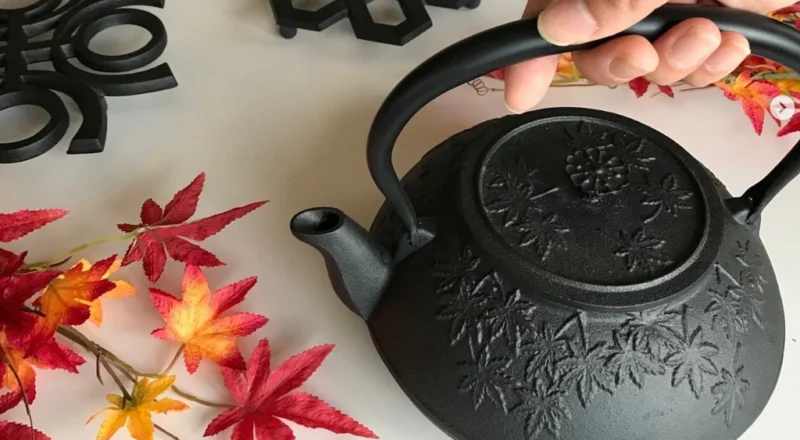
Outdoor gatherings have a unique charm that’s hard to replicate indoors. Whether it’s a countryside wedding, a backyard celebration, or a corporate retreat, the right rustic event catering equipment can transform any open-air setting into a warm, inviting, and memorable experience. Choosing the right tools and presentation pieces is essential for both functionality and aesthetic appeal, helping to create the perfect atmosphere for guests to enjoy delicious food and good company.
From wooden serving boards to cast iron cookware, rustic catering gear blends practicality with a timeless, earthy style. In this guide, we’ll explore the essentials for hosting an outdoor feast with a rustic touch, discuss how to select and care for your equipment, and share tips for elevating your event’s ambiance. If you’re planning a large gathering and want to ensure every detail feels authentic and welcoming, understanding your options is the first step.
For those looking to master every aspect of outdoor entertaining, our backyard feast preparation resource offers additional inspiration and step-by-step advice for hosting unforgettable cookouts.
Key Elements of Rustic Catering Gear
When planning an outdoor feast, the selection of rustic event catering equipment sets the tone for the entire event. The following essentials combine durability, functionality, and visual appeal, ensuring your setup is both practical and picturesque:
- Wooden Serving Boards and Platters: Ideal for presenting cheeses, charcuterie, breads, and desserts. Their natural grain and texture add warmth to any table.
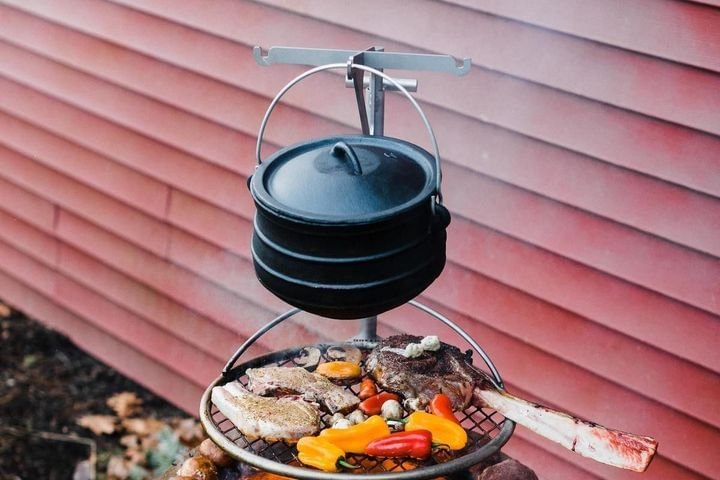
- Cast Iron Cookware: From skillets to Dutch ovens, cast iron is a staple for outdoor cooking. It retains heat well and develops a seasoned patina over time, making it perfect for open-fire meals.
- Enamelware: Lightweight and shatter-resistant, enamel-coated dishes and mugs evoke a nostalgic, camp-style feel while being practical for outdoor use.
- Galvanized Steel Tubs and Buckets: Use these for chilling beverages, displaying fresh produce, or even as rustic ice buckets.
- Mason Jars and Recycled Glassware: These versatile vessels are great for serving drinks, desserts, or even as vases for wildflowers.
- Linen Tablecloths and Burlap Runners: Natural fabrics complement the rustic theme and provide a tactile, inviting surface for your food displays.
Choosing the Right Cookware for Outdoor Feasts
Cooking outdoors requires equipment that can withstand the elements and deliver consistent results. Cast iron pots and pans are a favorite for their durability and ability to hold heat, making them ideal for everything from stews to grilled vegetables. Dutch ovens, in particular, are versatile enough to bake bread, roast meats, or simmer soups over an open flame.
When selecting cookware, consider the size of your gathering. For larger crowds, opt for oversized skillets or multi-gallon pots. If you’re interested in feeding a crowd efficiently, our guide on large capacity camp cooking offers practical tips for scaling up your outdoor meals.
Serving and Display: Creating a Rustic Presentation
The way food is presented at an outdoor event can be just as important as the menu itself. Rustic displays often feature communal platters, wooden crates, and vintage-inspired containers. Layering different textures—such as wood, linen, and metal—adds depth and visual interest to your buffet or dining tables.
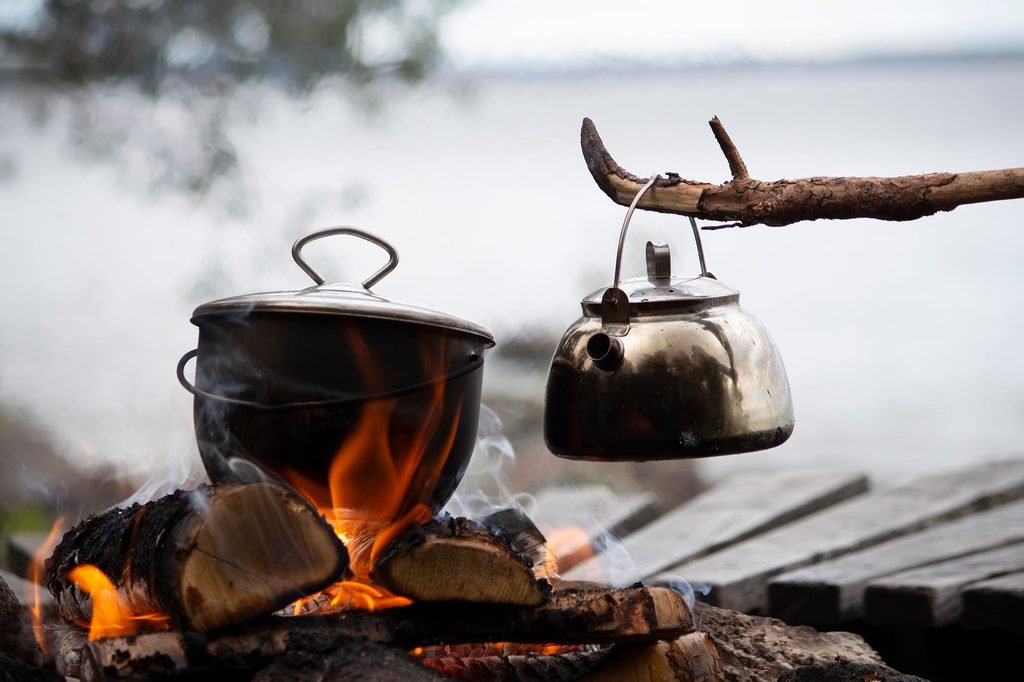
Consider using cast iron kettles or pots as serving vessels for soups and stews. Not only do they keep food warm, but they also serve as conversation starters. For more ideas on preparing hearty dishes outdoors, see our article on soup preparation over wood fires.
Maintaining and Caring for Your Rustic Equipment
Proper care ensures your rustic event catering equipment lasts for years and continues to look its best. Cast iron, for example, requires regular seasoning to prevent rust and maintain its nonstick surface. After each use, clean it with hot water and a stiff brush, dry thoroughly, and apply a thin layer of oil. For more information on the best metals for kettles and how to care for them, see this comprehensive guide to kettle materials.
Wooden boards and utensils should be hand-washed and occasionally treated with food-safe mineral oil to prevent cracking. Enamelware is generally dishwasher safe, but check manufacturer recommendations for best results. Store all equipment in a dry place, and inspect regularly for signs of wear or damage.
Tips for Hosting a Memorable Outdoor Feast
Beyond the equipment itself, a successful rustic event relies on thoughtful planning and attention to detail. Here are a few tips to help your gathering stand out:
- Plan for Weather: Have tents, umbrellas, or canopies on hand to protect guests and food from sun or rain.
- Lighting: Use string lights, lanterns, or candles to create a cozy atmosphere as the sun sets.
- Menu Simplicity: Focus on seasonal, locally sourced ingredients that highlight the natural flavors of your dishes.
- Interactive Stations: Set up DIY food or drink stations, such as s’mores bars or lemonade stands, to encourage guest participation.
- Comfortable Seating: Mix and match benches, hay bales, and vintage chairs for a relaxed, eclectic look.
For those interested in mastering open-fire cooking, our detailed walkthrough on cooking stews over open flames is a valuable resource for both beginners and seasoned hosts.
Frequently Asked Questions
What are the most essential pieces of rustic catering equipment for outdoor events?
The basics include cast iron cookware (such as Dutch ovens and skillets), wooden serving boards, enamelware, galvanized tubs for drinks, and linen or burlap table coverings. These items are both functional and visually appealing, making them ideal for outdoor feasts.
How do I keep food warm during an outdoor gathering?
Using cast iron pots and kettles is an effective way to retain heat. You can also use insulated containers or set up a buffet near a fire pit or portable heat source. Covering dishes with lids or foil helps maintain temperature until serving time.
How should I care for cast iron used in outdoor catering?
After each use, clean cast iron with hot water and a brush (avoid soap if possible), dry thoroughly, and apply a light coat of oil to prevent rust. Store in a dry place and re-season as needed to keep the surface nonstick and protected.


