
The ingenuity and resourcefulness of early settlers shaped the way meals were prepared on the American frontier. Without modern conveniences, these pioneers relied on time-tested methods, simple tools, and a deep understanding of their environment to transform basic ingredients into nourishing food. Exploring pioneer cooking techniques offers a fascinating look at how necessity, creativity, and tradition came together to sustain communities in challenging conditions.
From open-fire roasting to cast iron baking, the culinary practices of early Americans laid the foundation for many rustic cooking traditions still enjoyed today. Whether you’re interested in historic foodways, outdoor cooking, or simply want to appreciate the origins of classic dishes, understanding these methods brings history to life. For those curious about communal approaches to meal preparation, you might also find value in learning about communal meal cooking methods that highlight how groups shared both labor and food around the fire.
Essential Tools and Materials for Frontier Cooking
The backbone of pioneer cooking techniques was a modest collection of durable tools. Chief among these were cast iron pots and pans, which could withstand direct flames and uneven heat. Dutch ovens, skillets, and kettles were prized for their versatility, allowing settlers to fry, bake, boil, and stew using the same vessel. These items were often passed down through generations, their seasoned surfaces improving with each meal.
In addition to cast iron, settlers made use of wooden utensils, tin plates, and simple knives. Cooking was often done over an open hearth or campfire, with meals prepared using whatever fuel was available—wood, dried dung, or even corn cobs. The ability to adapt to available resources was a hallmark of frontier life.
Open-Fire Cooking: The Heart of Pioneer Meals
At the center of most pioneer camps and homesteads was the fire. Mastering the art of cooking over open flames was essential for survival and comfort. Early settlers developed a range of methods to make the most of their fire, each suited to different ingredients and meal types.
- Roasting: Meats, game, and even vegetables were often skewered on sticks or suspended from iron hooks to roast over glowing embers. This method imparted a smoky flavor and required careful attention to avoid burning.
- Boiling and Stewing: Large kettles or pots were hung over the fire to prepare soups, stews, and broths. These dishes made use of tougher cuts of meat and wild greens, simmering for hours to extract flavor and nutrition. For a deeper dive into this approach, see our guide to broth making over fire pits.
- Baking: Dutch ovens, with their heavy lids, allowed settlers to bake bread, biscuits, and pies directly in the coals. Hot coals were placed on top of the lid as well as underneath, creating an oven effect.

Bread, Biscuits, and Baking on the Trail
Baking was a cherished skill among settlers, as bread and biscuits provided energy and comfort. Flour was a staple, often carried in barrels or sacks. Without modern ovens, pioneers relied on Dutch ovens and hot stones to bake their goods. Dough was mixed by hand, sometimes with sourdough starters or baking soda, and shaped into loaves or rounds.
The process required patience and practice. Coals were carefully arranged around and on top of the Dutch oven to ensure even heat. Pioneers checked for doneness by tapping the crust or listening for a hollow sound. This method produced hearty, rustic breads that could be eaten fresh or saved for days.
Preservation and Storage: Making Food Last
With limited access to fresh supplies, early Americans developed clever ways to preserve food. Drying, smoking, salting, and pickling were all common. Meats were often cured with salt and hung in smokehouses, while fruits and vegetables were dried in the sun or near the fire. These methods allowed families to store food for winter or long journeys.
Dairy products like butter and cheese were churned and pressed, then stored in cool cellars or crocks. Eggs were sometimes coated in lard or stored in water glass solutions to extend their shelf life. These preservation techniques were essential for survival and reduced waste.
Cast Iron Care and Longevity
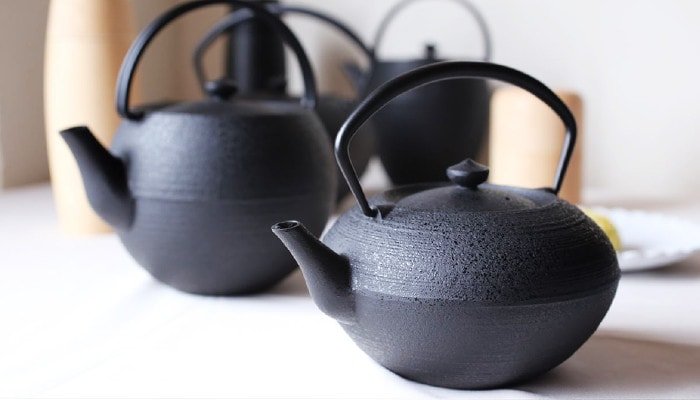
The durability of cast iron made it indispensable on the frontier, but it required regular care to prevent rust and maintain its nonstick qualities. Pioneers cleaned their cookware with hot water and coarse cloths, avoiding soap when possible. After cleaning, pots and pans were dried over the fire and rubbed with animal fat or oil to keep them seasoned.
Today, maintaining cast iron remains important for anyone practicing traditional outdoor cooking. For detailed advice on caring for these essential tools, check out this comprehensive guide to using and caring for cast iron teapots.
Meals and Recipes: What Did Settlers Eat?
The daily diet of early Americans was shaped by what was available locally and what could be preserved. Cornbread, beans, salt pork, stews, and wild greens were common fare. Game meats like venison, rabbit, and wild fowl supplemented meals, especially in rural areas. Simple desserts, such as apple pies or berry cobblers, were made when ingredients allowed.
Meals were often communal, with families or groups gathering around the fire to share food and stories. This sense of togetherness was as important as the food itself, reinforcing bonds and traditions. If you’re interested in hosting your own rustic gathering, you might explore rustic event catering equipment for inspiration.
Legacy of Pioneer Cooking in Modern Times
Many of the methods developed by settlers continue to influence outdoor and homestyle cooking today. The use of cast iron, open-fire grilling, and slow-simmered stews are all rooted in these early traditions. For those who enjoy backyard gatherings, understanding these historic practices can add authenticity and depth to your next cookout. You can also find tips for planning such events in our article on backyard feast preparation.
Embracing these time-honored techniques not only connects us to the past but also encourages resourcefulness and appreciation for simple, wholesome meals.
Frequently Asked Questions
What were the most common cooking methods used by pioneers?
Early settlers primarily relied on open-fire cooking, including roasting, boiling, stewing, and baking with Dutch ovens. These methods allowed them to prepare a variety of meals with minimal equipment and adaptable heat sources.
How did pioneers keep their food from spoiling?
Preservation was achieved through drying, smoking, salting, and pickling. Meats were often cured and hung, while fruits and vegetables were dried or stored in cool cellars. These strategies helped ensure a steady food supply throughout the year.
Why was cast iron so important in frontier kitchens?
Cast iron cookware was valued for its durability, ability to retain heat, and versatility. It could be used directly over flames or coals, making it ideal for the unpredictable conditions of outdoor and hearth cooking.


