
Cooking at high elevations brings unique challenges and rewards. The thinner air, lower boiling point of water, and unpredictable weather all influence how you prepare meals above the treeline. Whether you’re a seasoned mountaineer or planning your first alpine adventure, having the right mountain camp cooking setups is crucial for safety, comfort, and enjoyment. This guide covers the essential gear, practical tips, and best practices for preparing food in the mountains, helping you make informed choices for your next expedition.
Before diving into the details of stoves, cookware, and fuel types, it’s worth exploring related outdoor cooking methods. For those interested in traditional fire-based techniques, check out primitive cooking methods for inspiration on open fire meal preparation.
Why Specialized Cooking Gear Matters in the Mountains
High-altitude environments demand more from your equipment. Water boils at a lower temperature, making it harder to cook food thoroughly. Wind, cold, and limited fuel availability can complicate meal preparation. That’s why mountain camp cooking setups are designed to be efficient, lightweight, and reliable in extreme conditions.
- Efficiency: Specialized stoves and cookware maximize heat transfer, reducing fuel consumption and cooking time.
- Weight: Every ounce counts when climbing. Compact, multi-use gear minimizes your load.
- Reliability: Equipment must function in wind, cold, and at low oxygen levels, where standard gear may fail.
Choosing the Right Stove for High Altitude Adventures
The heart of any alpine kitchen is the stove. Not all models perform equally well above 8,000 feet. Here’s what to consider when selecting a stove for your next climb:
Canister Stoves
These are popular for their convenience and fast boil times. However, performance can drop in freezing temperatures or at very high elevations. Look for models with pressure regulators and inverted canister options for better reliability.
Liquid Fuel Stoves
Favored by mountaineers for decades, liquid fuel stoves (using white gas or similar fuels) excel in cold and high-altitude conditions. They’re a bit heavier and require priming, but their consistent output makes them a top choice for expeditions.
Integrated Stove Systems
All-in-one systems combine a stove and pot with built-in wind protection and heat exchangers. These are ideal for boiling water quickly and efficiently, making them a favorite for minimalist setups and group use.
For those interested in communal meal preparation, you might also explore communal meal cooking methods for ideas on feeding groups in the backcountry.
Cookware Essentials for Alpine Environments
Choosing the right pots, pans, and utensils is just as important as selecting a stove. The best cookware for high elevations is lightweight, durable, and designed for efficient heat transfer.
- Titanium: Extremely light and strong, though it can create hot spots if not watched carefully.
- Aluminum: Excellent heat distribution and affordable, but less durable than titanium or stainless steel.
- Stainless Steel: Tough and long-lasting, though heavier than other options.
- Cast Iron: Rarely used for backpacking due to weight, but can be ideal for base camps or car-supported trips. Learn more about broth making over fire pits if you’re interested in slow-simmered recipes using heavier cookware.

Fuel Types and Storage Considerations
Fuel choice impacts stove performance, weight, and safety. Here’s a quick overview of common options for mountain camp cooking setups:
- Isobutane/Propane Canisters: Lightweight and easy to use, but can struggle in cold or at altitude unless using a regulated or inverted system.
- White Gas (Naphtha): Reliable in all conditions, refillable, and performs well in extreme cold and high elevations.
- Alcohol: Ultralight and simple, but slower and less efficient in wind or cold.
- Solid Fuel (Esbit): Lightweight and compact, but with limited heat output and slower cooking times.
Always store fuel away from sleeping areas and check for leaks before each use. Carry extra fuel for longer trips or when cooking for groups.
Wind Protection and Heat Efficiency in the Mountains
Wind can dramatically reduce stove efficiency and make cooking difficult. To counteract this, use windshields or choose stoves with integrated protection. Pots with heat exchangers or lids help retain warmth and speed up cooking times. For best results, set up your kitchen in a sheltered spot, away from gusts and blowing debris.
Care and Maintenance of High-Altitude Cooking Gear
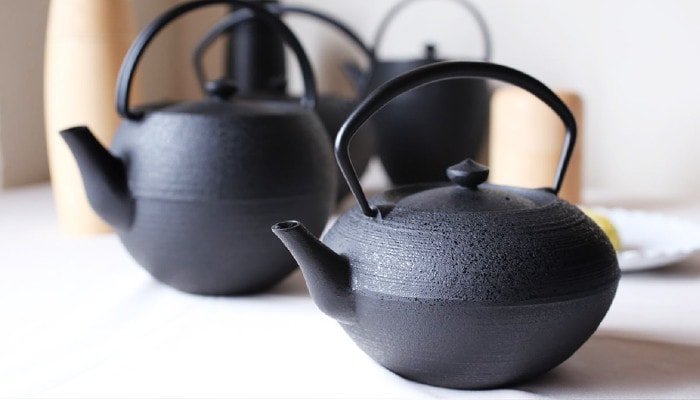
Proper maintenance ensures your equipment lasts through many adventures. After each trip, clean pots and stoves thoroughly to prevent residue buildup. For cast iron or specialty teapots, follow best practices for seasoning and storage. For more detailed advice, see this guide to using and caring for cast iron teapots.
Carry a small repair kit with spare parts, waterproof matches, and a multi-tool. Inspect O-rings, seals, and fuel lines before each use, especially after exposure to cold or rough handling.
Meal Planning and Food Storage at Altitude
Efficient meal planning saves weight and fuel. Opt for dehydrated or freeze-dried meals, which are lightweight and require minimal cooking. Bring calorie-dense snacks for quick energy. Store food in sealed containers to keep out moisture and wildlife. In bear country, use canisters or hang food away from camp.
For those interested in rustic outdoor feasts, explore rustic event catering equipment for ideas on scaling up your camp kitchen for larger groups or special occasions.
Safety Tips for Cooking in Mountain Camps
- Never cook inside your tent due to carbon monoxide risk and fire hazard.
- Set up your kitchen at least 200 feet from sleeping areas to avoid attracting animals.
- Monitor stoves at all times and keep a small fire extinguisher or water nearby.
- Dispose of food scraps responsibly to minimize environmental impact.
Frequently Asked Questions
What type of stove works best at high elevations?
Liquid fuel stoves are generally the most reliable at altitude, as they maintain consistent pressure and heat output even in cold or low-oxygen environments. Some advanced canister stoves with pressure regulators also perform well if used with the right fuel.
How do you keep food warm in windy, cold conditions?
Use pots with lids and heat exchangers, and set up a windscreen around your stove. Insulated food containers or cozy wraps can help retain heat after cooking, ensuring meals stay warm until served.
Is cast iron suitable for mountain camp cooking?
Cast iron is durable and excellent for slow-cooked meals, but its weight makes it impractical for backpacking. It’s best reserved for base camps or car-supported trips where weight is less of a concern. For lighter setups, choose titanium or aluminum cookware.


