
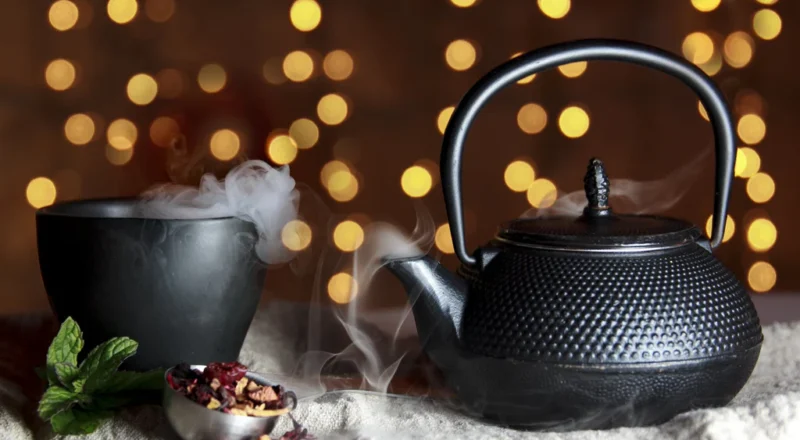
The story of historical kettle cooking methods is woven into the fabric of human civilization. For thousands of years, people have gathered around open hearths, using kettles and cauldrons to prepare meals that nourished families and communities. These ancient techniques reveal not only how our ancestors cooked, but also how they adapted to available materials, fuel sources, and evolving culinary needs. Today, exploring these time-honored traditions offers valuable insight into the origins of modern cookware and the enduring appeal of communal, fire-based cooking.
From the smoky fireplaces of medieval Europe to the cast iron kettles of Asia, the evolution of kettle cooking reflects a blend of practicality and ingenuity. Understanding these methods helps us appreciate the craftsmanship behind early cookware and the resourcefulness required to prepare food before the advent of modern stoves. For those interested in the broader context of cookware evolution, the article on evolution of cooking vessels provides a deeper look at how pots and pans have changed through history.
Origins and Early Development of Kettle Cooking
The practice of suspending a vessel over a fire dates back to the Bronze Age, when metalworking allowed for the creation of durable, heat-resistant pots. Early kettles were often made from bronze or copper, shaped to maximize heat transfer and withstand direct flames. These vessels enabled people to boil water, cook grains, and prepare stews—essential tasks for survival and social gatherings.
As societies advanced, so did the materials and designs of kettles. The introduction of iron and improvements in metal casting history led to stronger, more versatile cookware. Iron kettles became a staple in many cultures, prized for their ability to retain heat and withstand repeated use over open fires.
Traditional Fireplace Techniques and Tools
Central to historical kettle cooking methods was the open hearth or fireplace, which served as both a heat source and a gathering place. The design of these fireplaces varied by region and era, but several key tools and techniques were common:
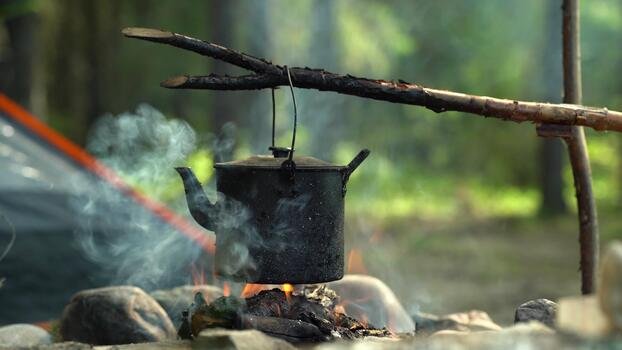
- Tripods and Trammels: Metal tripods or adjustable hooks (trammels) were used to suspend kettles at varying heights above the flames, allowing cooks to control the intensity of heat.
- Andirons and Grates: These supported wood and improved airflow, ensuring a steady fire for consistent cooking.
- Ember Cooking: Some recipes called for kettles to be nestled directly into hot embers, providing gentle, even heat ideal for slow-cooked stews and porridges.
Mastering these techniques required experience and attention, as cooks had to manage both the fire and the food simultaneously. The ability to judge temperature by sight and feel was a valued skill, passed down through generations.
Regional Variations in Ancient Kettle Cooking
Across continents, kettle cooking adapted to local resources and culinary traditions. In Eastern Europe, for example, the eastern european kettle cooking tradition features bogrács—large, round-bottomed kettles used to prepare hearty stews over open fires. These communal meals remain popular at festivals and family gatherings, preserving methods that date back centuries.
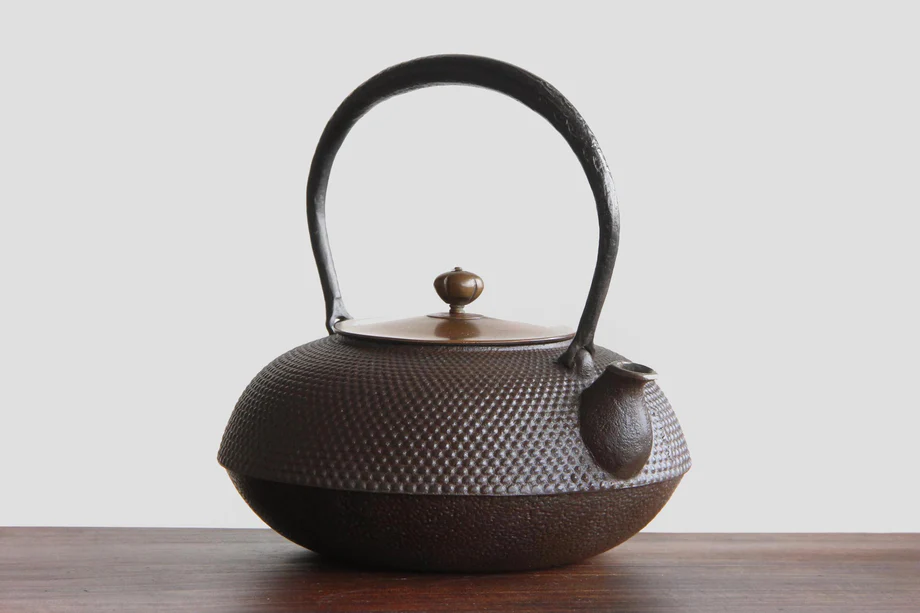
In Asia, cast iron kettles have long been valued for their durability and heat retention. Japanese tetsubin, for instance, are small, beautifully crafted kettles used primarily for boiling water for tea, but their design principles reflect the same focus on heat control and longevity found in larger cooking vessels.
Elsewhere, indigenous cultures in Africa and the Americas developed their own approaches, often using clay or stone kettles suited to their environments. These vessels were sometimes placed directly on coals or suspended above flames, demonstrating the universal appeal of fire-based cooking.
Materials and Craftsmanship in Ancient Kettles
The effectiveness of historical kettle cooking methods depended heavily on the materials and craftsmanship of the vessels themselves. Early kettles were typically made from bronze, copper, or iron, each offering distinct advantages:
- Bronze: Resistant to corrosion and capable of being cast into complex shapes, bronze kettles were common in ancient China and the Mediterranean.
- Copper: Excellent heat conductor, making it ideal for boiling and simmering, though it required frequent cleaning to prevent toxicity.
- Iron: Durable and able to withstand high temperatures, iron kettles became widespread after advances in casting technology. Their ability to retain heat made them especially useful for slow-cooked dishes.
The design of these kettles often reflected local aesthetics and functional needs. Handles, spouts, and lids were crafted to facilitate hanging, pouring, and heat retention. Decorative elements sometimes indicated the status of the owner or the intended ceremonial use.
Care and Maintenance of Traditional Kettles
Preserving the integrity of ancient cookware required regular maintenance. Iron and copper kettles, in particular, needed to be cleaned and seasoned to prevent rust and corrosion. This practice continues today for those who use cast iron cookware, and there are modern products designed specifically for this purpose. For more information on caring for cast iron, see this comprehensive guide to cast iron cookware.
Seasoning involved coating the kettle with animal fat or oil and heating it over a fire, creating a protective layer that improved nonstick properties and flavor. Proper storage—dry and away from moisture—was also essential to prolong the life of these valuable kitchen tools.
Legacy and Influence on Modern Cooking
The legacy of historical kettle cooking methods can be seen in contemporary cookware and culinary practices. Modern cast iron pots, Dutch ovens, and even electric kettles trace their origins to these ancient designs. The communal aspect of cooking over an open fire also lives on in traditions like campfire meals and outdoor gatherings.
For those interested in the decorative side of history, the use of ornate kettles and fireplace tools has influenced historic garden ornaments and rustic home décor. The enduring popularity of these objects speaks to their blend of function and beauty.
As we rediscover and adapt these time-tested techniques, we gain a deeper appreciation for the resourcefulness and creativity of our ancestors. Whether used for daily sustenance or special occasions, the art of kettle cooking remains a testament to the enduring power of fire, metal, and community.
Frequently Asked Questions
What materials were most commonly used for ancient kettles?
Bronze, copper, and iron were the primary materials for early kettles. Bronze and copper offered excellent heat conduction, while iron provided durability and heat retention. The choice of material often depended on local resources and technological advancements in metalworking.
How did people control cooking temperatures without modern stoves?
Cooks used adjustable hooks, tripods, and trammels to raise or lower kettles above the fire, controlling the amount of heat applied. They also managed the fire itself by adding or removing wood and using embers for gentler heat. Experience and observation were crucial for achieving the desired cooking results.
Are any traditional kettle cooking methods still used today?
Yes, many traditional techniques survive in regional cuisines and outdoor cooking. For example, Hungarian bogrács stews, Japanese tetsubin tea preparation, and campfire cooking all draw on ancient principles. Modern cast iron cookware also continues the legacy of these historic methods.


