
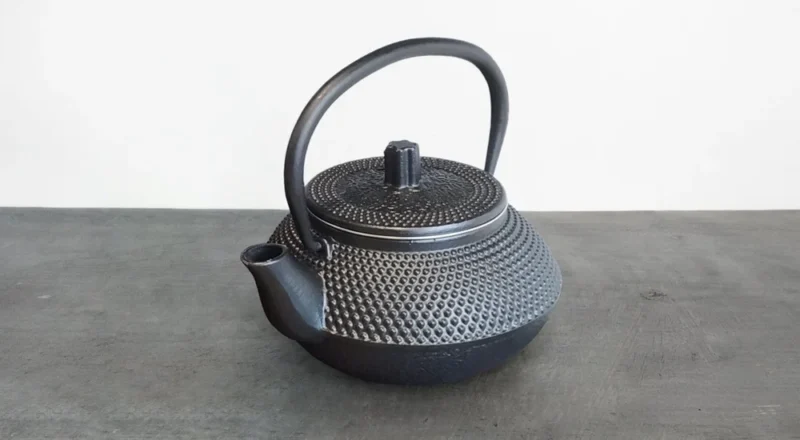
Cooking outdoors over an open fire is a timeless tradition, whether you’re making a rustic stew, grilling, or simply boiling water for tea. However, excessive smoke can quickly turn a pleasant experience into an uncomfortable one. Smoke control for outdoor cooking is essential for both comfort and safety, and understanding how to minimize smoke can make your next campfire meal far more enjoyable.
This guide explores practical strategies for reducing smoke when cooking outdoors, from choosing the right fuel to managing airflow and maintaining your equipment. Along the way, you’ll find tips that not only help keep the air clear but also enhance the flavor and efficiency of your outdoor meals. If you’re interested in the history and evolution of outdoor cooking vessels, you might also enjoy learning about eastern european kettle cooking and traditional techniques that have stood the test of time.
Understanding Why Campfires Produce Smoke
To effectively manage smoke control for outdoor cooking, it’s important to know what causes smoke in the first place. Smoke is produced when organic material, such as wood, doesn’t burn completely. Incomplete combustion results in the release of tiny particles and gases, which we see as smoke. Several factors contribute to this:
- Moisture Content: Wet or green wood contains water that must evaporate before the wood can burn, leading to more smoke.
- Poor Airflow: A lack of oxygen slows combustion, causing smoldering and increased smoke output.
- Improper Fuel: Burning materials like leaves, pine needles, or trash can create thick, acrid smoke.
- Fire Structure: How you build your fire affects how efficiently it burns and how much smoke it produces.
Choosing the Right Fuel for Cleaner Outdoor Cooking
The type of fuel you use is the foundation of effective smoke control for outdoor cooking. Selecting the right wood and preparing it properly can significantly reduce smoke:
- Use Seasoned Hardwood: Hardwoods like oak, hickory, and maple burn hotter and cleaner than softwoods. Ensure the wood has been dried for at least 6–12 months.
- Avoid Green or Wet Wood: Freshly cut wood or wood that has been exposed to rain will produce much more smoke.
- Skip Softwoods and Sappy Woods: Pine, fir, and other resinous woods tend to smoke more and can leave sticky residues on cookware.
- Don’t Burn Trash or Leaves: These materials not only create excessive smoke but can also release harmful chemicals.
Proper fuel selection not only helps with smoke reduction but also improves the taste of your food and the longevity of your cooking equipment.
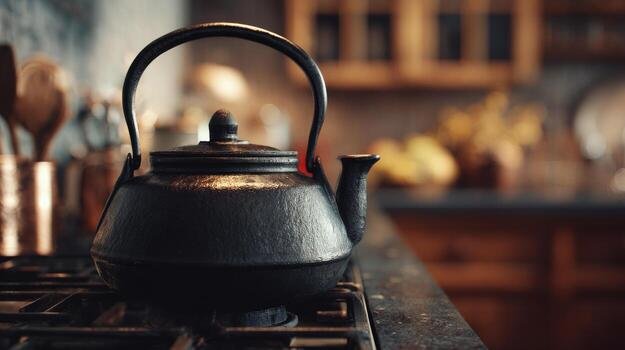
Building a Low-Smoke Campfire
How you structure your fire plays a significant role in smoke production. Here are some proven methods for building a fire that burns efficiently and cleanly:
- Start Small: Begin with dry tinder and kindling, gradually adding larger pieces of wood as the fire grows.
- Use the Teepee or Log Cabin Method: These classic fire-building techniques promote good airflow, which is essential for complete combustion.
- Stack Wood Loosely: Avoid piling wood too tightly, as this restricts oxygen and leads to smoldering.
- Maintain the Fire: Periodically adjust the wood to keep the fire burning hot and evenly.
By focusing on proper fire construction, you can minimize smoke and create a more enjoyable cooking environment.

Managing Airflow and Fire Placement
Airflow is a critical factor in smoke control for outdoor cooking. Without enough oxygen, fires smolder and produce more smoke. Here’s how to optimize airflow:
- Choose an Open Location: Set up your fire in an area with good ventilation, away from dense brush or windbreaks that can trap smoke.
- Use a Fire Grate or Rocks: Elevating the fire with a grate or arranging rocks around the base can help air circulate underneath the wood.
- Monitor Wind Direction: Position your cooking area so that smoke is carried away from where people are sitting or standing.
- Adjust as Needed: If smoke starts to build up, gently poke or rearrange the wood to improve combustion.
Proper airflow not only reduces smoke but also helps your fire burn hotter and more efficiently, making outdoor cooking more pleasant and productive.
Maintaining and Cleaning Outdoor Cooking Equipment
Residue buildup on cookware can contribute to smoke and unpleasant odors. Regular maintenance is key for both performance and smoke control:
- Clean After Each Use: Remove food debris and soot from pots, pans, and grills to prevent burning residues during your next cookout.
- Season Cast Iron: Well-seasoned cast iron is less likely to produce smoke and is easier to clean. For detailed care instructions, see this guide to using and caring for cast iron teapots.
- Inspect for Damage: Cracks or rust can trap moisture, leading to more smoke. Repair or replace damaged equipment as needed.
Investing time in proper maintenance not only helps with smoke reduction but also extends the life of your outdoor cookware.
Additional Tips for a Smoke-Free Outdoor Cooking Experience
- Preheat Your Equipment: Warming up pots and pans before adding food can prevent sticking and burning, which reduces smoke.
- Keep a Lid Handy: Covering your cookware can help control flare-ups and contain any smoke that does occur.
- Use Windbreaks Wisely: While some wind protection is helpful, avoid completely enclosing your fire, as this can trap smoke and reduce airflow.
- Stay Upwind: Position yourself and your cooking station so that smoke blows away from you and your guests.
Combining these tips with the fundamentals of fuel selection, fire building, and equipment care will help you achieve a cleaner, more enjoyable outdoor cooking experience.
Frequently Asked Questions
What type of wood produces the least smoke for campfire cooking?
Seasoned hardwoods such as oak, hickory, and maple are ideal for outdoor cooking because they burn hot and clean with minimal smoke. Always avoid green or wet wood, as well as softwoods like pine, which tend to produce more smoke and can leave sticky residues.
How can I quickly reduce smoke if my campfire starts to smolder?
If your fire begins to smolder and produce excess smoke, try gently rearranging the wood to improve airflow. Add small, dry kindling to boost the fire’s heat, and make sure the fire isn’t too tightly packed. Removing any wet or unburned material can also help.
Does cleaning my cookware really make a difference in smoke production?
Yes, keeping your cookware clean is important for minimizing smoke. Food residue and grease can burn and create smoke, especially at high temperatures. Regular cleaning and proper seasoning of cast iron or steel cookware will help ensure a smoke-free cooking experience.
Conclusion
Mastering smoke control for outdoor cooking is about understanding the interplay between fuel, fire structure, airflow, and equipment maintenance. By selecting the right wood, building your fire for optimal combustion, and keeping your cookware in top shape, you can minimize smoke and enjoy the full flavor and comfort of outdoor meals. For those interested in the broader context of outdoor cooking traditions, exploring the evolution of cooking vessels can provide additional insights into how these techniques have developed over time.


