
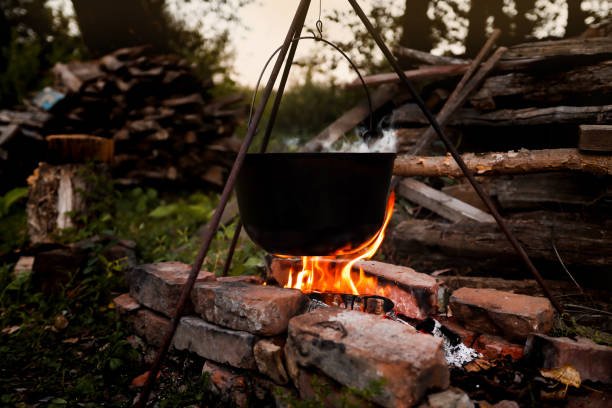
Transforming your outdoor space into a dedicated area for open-fire meals brings a unique blend of tradition, flavor, and social enjoyment. Backyard fire cooking stations are gaining popularity among home cooks and outdoor enthusiasts who want to elevate their grilling and campfire experiences. Whether you’re interested in rustic kettle stews, cast iron grilling, or simply gathering friends around a crackling flame, a well-designed fire cooking area can become the centerpiece of your backyard.
This guide covers the essentials for planning, building, and enjoying your own outdoor fire-based kitchen. You’ll find practical advice on choosing the right setup, selecting materials, and maintaining your gear for years of memorable meals. For those curious about the roots of this cooking style, exploring eastern european kettle cooking offers a fascinating look at traditional methods that still inspire today’s backyard chefs.
Why Create a Dedicated Outdoor Fire Cooking Area?
Designing a space for open-flame meals goes beyond simple grilling. Backyard fire cooking stations offer:
- Versatility: From grilling to simmering stews, you can prepare a wide range of dishes.
- Social Connection: Fire naturally draws people together, making it perfect for gatherings.
- Flavor Enhancement: Cooking over wood or charcoal imparts unique, smoky notes that are hard to replicate indoors.
- Outdoor Enjoyment: Spending time outside, especially around a fire, is relaxing and rewarding.
With the right setup, your backyard becomes a place for both everyday meals and special celebrations.
Choosing the Right Fire Cooking Station for Your Space
There are several types of outdoor fire setups, each with its own advantages. Consider your cooking style, available space, and budget when selecting the best option.
- Fire Pits: Simple and flexible, fire pits can be built in-ground or above-ground. They’re great for grilling, roasting, and even Dutch oven cooking.
- Tripod and Kettle Systems: Ideal for stews, soups, and traditional dishes. These setups suspend a pot over the flames and are inspired by old-world outdoor kitchens.
- Grill Grates and Plancha Plates: Adding a grill grate or flat plate over your fire pit allows for direct grilling and searing.
- Permanent Outdoor Kitchens: For those ready to invest, a built-in stone or brick station with integrated firebox, chimney, and prep areas offers maximum durability and style.
Think about how many people you typically cook for and what kinds of meals you want to prepare. If you love experimenting with historic recipes, learning about the evolution of cooking vessels can inspire your choice of cookware and station design.
Essential Gear for Open-Fire Cooking
To get the most from your outdoor kitchen, invest in quality tools and cookware designed for high heat and open flames. Here are the basics:
- Cast Iron Pots and Pans: Durable, heat-retentive, and perfect for everything from frying to slow-cooked stews.
- Grill Grates: Stainless steel or cast iron grates allow for classic grilling and easy cleaning.
- Tripods and Hooks: For suspending kettles or Dutch ovens over the fire.
- Long-Handled Tools: Tongs, spatulas, and ladles designed for safety and control over the flames.
- Heat-Resistant Gloves: Essential for handling hot cookware and adjusting logs.
Proper maintenance is key to long-lasting gear. For tips on caring for cast iron and why it’s a favorite among outdoor cooks, check out this comprehensive guide to cast iron cookware.
Design Tips for Safe and Functional Outdoor Cooking
Safety and convenience should be at the forefront of your design. Here are some best practices for building a reliable fire cooking area:
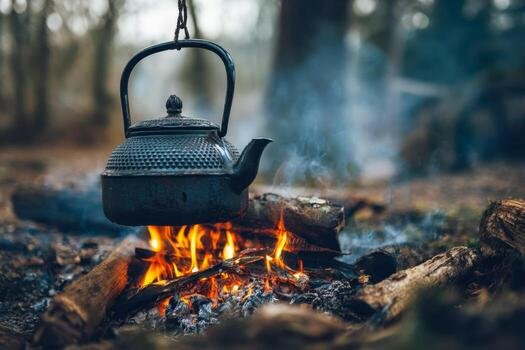
- Location: Place your station away from buildings, overhanging branches, and flammable materials. A flat, open area is ideal.
- Fireproof Materials: Use stone, brick, or metal for the fire ring and surrounding surfaces to contain heat and prevent accidents.
- Wind Protection: Consider a low wall or screen to shield the flames from gusts, which helps maintain consistent heat and improves safety.
- Clear Boundaries: Mark the cooking area clearly to keep children and pets at a safe distance.
- Accessible Water Source: Always have a hose or bucket of water nearby for emergencies.
Adding a prep table, storage hooks, and seating can make your outdoor kitchen more comfortable and practical for frequent use.
Classic Dishes to Try Over an Open Flame
One of the joys of outdoor fire cooking is experimenting with recipes that benefit from smoky heat and slow simmering. Here are a few ideas to get started:
- Hearty Stews: Use a kettle or Dutch oven to prepare goulash, chili, or bean stews.
- Grilled Meats and Vegetables: Skewer kebabs, grill steaks, or roast corn directly over the coals.
- Flatbreads: Cook simple dough on a hot stone or grill plate for fresh, rustic bread.
- Campfire Desserts: Try classics like baked apples or skillet cobbler for a sweet finish.
If you’re interested in the cultural history behind these meals, exploring metal casting history reveals how cookware shapes have evolved alongside cooking techniques.
Maintaining and Storing Your Outdoor Cooking Equipment
Proper care ensures your fire cooking tools last for years. After each use, allow cast iron and metal cookware to cool, then clean with a brush and hot water. Avoid soap, which can strip seasoning. Dry thoroughly and apply a thin layer of oil to prevent rust. For a deeper dive into cast iron care and restoration, consider using a specialized care kit designed for outdoor cookware.
Store your gear in a dry place, ideally indoors or in a weatherproof container, to protect it from the elements. Regular maintenance keeps your setup ready for spontaneous gatherings and ensures safe, delicious meals every time.
Frequently Asked Questions
What is the best fuel for backyard fire cooking setups?
Hardwoods like oak, hickory, or maple are preferred for their steady heat and pleasant smoke flavor. Avoid softwoods, which burn quickly and can impart unwanted flavors. Charcoal is also a reliable option for consistent heat.
How do I keep my cast iron cookware in top condition?
Clean cast iron after each use with hot water and a stiff brush. Dry thoroughly and apply a thin coat of oil to maintain the seasoning. For more detailed care instructions, see this cast iron care resource.
Can I build a fire cooking station in a small backyard?
Yes, even compact spaces can accommodate a simple fire pit or portable grill. Focus on safety, use fireproof materials, and select gear that suits your available area. Modular or movable setups are great for flexibility in smaller yards.
Conclusion
Creating a dedicated space for outdoor fire meals adds value, enjoyment, and versatility to your home. With thoughtful planning and the right equipment, you can enjoy everything from rustic stews to grilled feasts in your own backyard. Whether you’re inspired by traditional methods or modern outdoor living, a well-built fire cooking area will serve as a gathering spot for years to come.


