
Exploring historic feast cooking methods offers a fascinating look into how our ancestors prepared grand banquets long before modern conveniences. These traditional techniques, from roasting over open flames to simmering stews in heavy iron pots, shaped not only the flavors of the past but also the communal spirit of shared meals. Today, many enthusiasts and historians are reviving these age-old practices to experience the tastes and rituals of ancient celebrations firsthand.
Understanding the tools, fuels, and techniques used in centuries past helps us appreciate the ingenuity and resourcefulness of earlier cooks. Whether you’re interested in medieval banquets, Roman feasts, or early American gatherings, learning about these methods can inspire your own culinary adventures. For those curious about how our ancestors set the table and served their creations, the article on historic food serving methods provides valuable context for the dining experience that accompanied these elaborate meals.
Open Fire and Hearth: The Heart of Ancient Banquet Cooking
For much of human history, the open fire or hearth was the central element in preparing food for large gatherings. These fires provided both heat and a gathering place, making them ideal for preparing communal meals. Roasting, spit-turning, and boiling were common techniques, each requiring skill and patience.
- Roasting on a spit: Large cuts of meat, such as whole animals or birds, were skewered and slowly turned over flames. This method ensured even cooking and a flavorful, smoky crust.
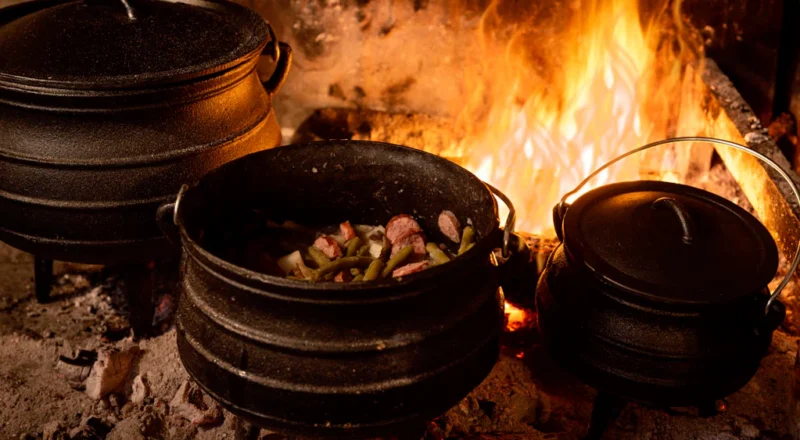
- Boiling in cauldrons: Hearty stews and porridges were prepared in metal or clay pots suspended over the fire. Ingredients were added in stages, allowing flavors to meld over hours of gentle simmering.
- Baking in embers: Flatbreads and root vegetables were often buried in hot coals or ashes, resulting in rustic, earthy flavors and textures.
These foundational techniques remain popular among historical reenactors and outdoor cooking enthusiasts. For those interested in the social aspects of communal fires, the article on outdoor hospitality traditions delves into the art of sharing a campfire and its role in bringing people together.
Essential Tools and Materials for Traditional Banquet Preparation
Recreating ancient banquets requires an understanding of the tools that made large-scale cooking possible. The most iconic implements include:
- Cast iron pots and cauldrons: Durable and versatile, these vessels were used for everything from soups to sauces. Their ability to retain and distribute heat made them indispensable for slow-cooked dishes.
- Spits and grills: Metal rods and grates allowed cooks to roast meats and vegetables directly over flames, imparting a distinct char and flavor.
- Clay ovens and bread ovens: In some cultures, dome-shaped ovens constructed from clay or stone enabled baking of bread and pastries for large groups.
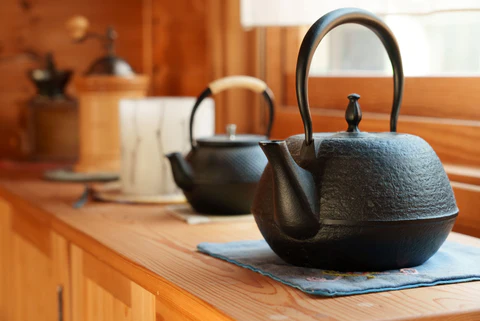
The choice of metal for cookware was crucial. For a deeper dive into the properties of different metals and their impact on cooking, see this guide to the best metals for kettles.
Fuel Sources and Fire Management in Historic Cooking
The choice of fuel played a significant role in the outcome of historic feasts. Wood was the most common, but charcoal and peat were also used in some regions. Managing the fire’s heat was a skill in itself, as cooks had to adjust the placement of pots and spits to achieve the desired temperature.
Fire management techniques included:
- Banking coals: Moving hot embers to specific areas allowed for both high-heat searing and gentle simmering within the same hearth.
- Layering fuels: Different woods burned at different rates and temperatures, so cooks selected their fuel based on the dish being prepared.
- Using ashes: Covering food with ashes or embers provided even, indirect heat for baking and slow roasting.
These methods required constant attention and a keen understanding of how heat interacted with various ingredients and cookware.
Signature Dishes and Banquet Staples Across Cultures
Historic banquets featured a wide array of dishes, many of which were designed to impress guests and showcase the host’s resources. Some examples include:
- Medieval Europe: Roasted game, pottages, and elaborate pies were common at feasts. Spices and imported ingredients signaled wealth and status.
- Ancient Rome: Multi-course meals included fish, meats, vegetables, and sweet pastries, often accompanied by sauces thickened with bread or nuts.
- Eastern Europe: Hearty stews like bogrács, cooked in large kettles over open fires, remain a staple of traditional gatherings. For more on this regional specialty, see the article on Eastern European kettle cooking.
Many of these dishes were designed for sharing, reinforcing the communal nature of historic feasts.

Preserving and Maintaining Historic Cookware
Proper care of traditional cookware is essential for anyone interested in recreating ancient banquets. Cast iron, copper, and clay all require specific maintenance routines to ensure longevity and food safety. Seasoning cast iron, for example, creates a natural non-stick surface and protects against rust. Clay pots must be handled gently and often soaked before use to prevent cracking.
For those curious about the evolution of metal cookware, the article on metal casting history provides insight into how advances in metallurgy influenced cooking techniques and equipment.
Modern Approaches to Ancient Cooking Traditions
Today, many home cooks and reenactors are rediscovering the joys of historic feast preparation. Whether using replica cookware or adapting old recipes for modern kitchens, the principles remain the same: patience, attention to detail, and a willingness to experiment. Some enthusiasts participate in living history events, while others host themed dinners at home.
Key tips for those interested in trying these methods include:
- Start with simple recipes and gradually work up to more complex dishes.
- Invest in quality cookware that can withstand high heat and repeated use.
- Research traditional fuel sources and experiment with different woods or charcoals for authentic flavor.
- Embrace the communal aspect by inviting friends and family to participate in the cooking and dining process.
For inspiration on how different cultures approach kettle cooking, explore the article on cultural kettle cooking traditions from around the world.
Frequently Asked Questions
What are the most common historic feast cooking methods?
The most widespread techniques include roasting over open flames, boiling in large pots or cauldrons, baking in clay or stone ovens, and spit-turning meats. Each method was chosen based on available resources, the type of food being prepared, and the size of the gathering.
How can I safely use cast iron or clay cookware for traditional recipes?
Always season cast iron before use and avoid harsh detergents that can strip the protective layer. For clay pots, soak them in water before cooking to prevent thermal shock. Allow cookware to cool gradually and store in a dry place to avoid rust or cracking.
Where can I learn more about the cultural context of ancient banquets?
In addition to exploring historic feast cooking methods, reading about historic food serving methods and outdoor hospitality traditions can provide a deeper understanding of how meals were shared and celebrated in different eras and regions.


