
The history of communal cooking stretches back to the earliest days of humanity, when sharing food around a fire was not just about nourishment, but also about survival, social bonding, and the creation of culture. Across continents and centuries, people have come together to prepare, cook, and enjoy meals as a group, shaping traditions that continue to influence how we eat and connect today.
From the first controlled fires to the cast iron kettles of more recent centuries, the act of cooking together has always been more than a practical necessity. It has served as a foundation for hospitality, storytelling, and the building of communities. Exploring how these traditions evolved helps us appreciate not only the food itself, but also the tools, rituals, and values passed down through generations.
For those interested in how outdoor gatherings have shaped our cooking customs, outdoor hospitality traditions offer a fascinating look at the art of sharing a campfire and the ways people have come together to cook and celebrate in nature.
Origins of Shared Meals: Fire, Survival, and Social Bonds
The roots of communal cooking can be traced to the discovery and control of fire, a transformative moment in human history. Early humans learned to harness fire for warmth and protection, but its greatest impact may have been on food preparation. Cooking meat and plants made them safer and easier to digest, which in turn supported the development of larger social groups.
Gathering around a fire to cook and eat was a practical solution for hunter-gatherer bands. It allowed for the efficient use of resources, shared labor, and the creation of a safe space for social interaction. These early communal meals were likely simple—roasted meats, tubers, and wild grains—but they laid the groundwork for the rituals and etiquette that would define future feasting traditions.
As societies became more complex, so did their cooking methods and the significance of shared meals. Archaeological evidence from ancient settlements reveals communal ovens, large hearths, and even the first clay pots, all designed to prepare food for groups rather than individuals.
Evolution of Cooking Vessels and Techniques
The development of specialized cookware played a crucial role in the history of communal cooking. Early pots and kettles, often made from clay or stone, enabled people to boil, stew, and simmer ingredients for larger groups. This not only expanded the variety of foods that could be prepared, but also encouraged the sharing of meals and recipes across families and communities.
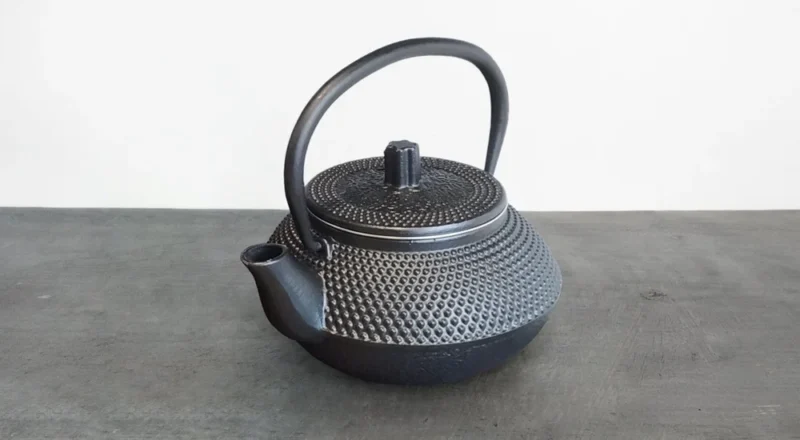
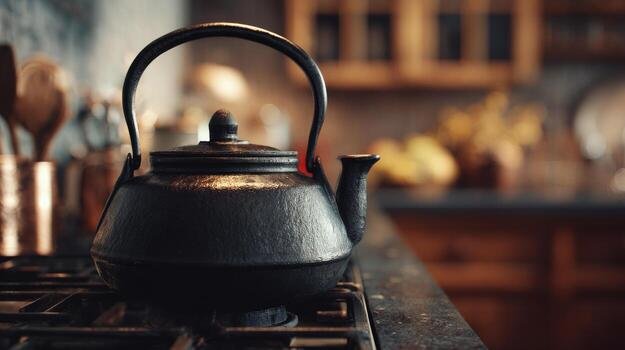
With the advent of metalworking, cookware evolved further. Bronze, copper, and eventually iron pots became central to group cooking, especially in regions where stews, soups, and porridges formed the basis of the diet. The cast iron kettle, for example, became a symbol of communal hospitality in many cultures, used for everything from brewing tea to simmering hearty stews.
For a deeper dive into how different cultures have used kettles and pots for group meals, the article on cultural kettle cooking traditions explores these practices from around the world.
Feasts, Festivals, and the Role of the Communal Table
As agriculture and permanent settlements emerged, so did the tradition of communal feasting. Harvest festivals, religious ceremonies, and public celebrations often centered around large-scale cooking and shared dining. These gatherings reinforced social ties, marked important events, and provided opportunities for hospitality and generosity.
In medieval Europe, for example, great halls were designed to accommodate large groups for banquets and celebrations. The kitchen staff would prepare vast quantities of food in massive cauldrons and ovens, serving dishes that reflected both local ingredients and the status of the host. In Asia, communal hot pots and shared rice dishes became staples of family and community gatherings.
These traditions were not limited to the elite. Village feasts, potlucks, and communal bread ovens brought people together across social classes, fostering a sense of belonging and mutual support. The act of sharing food—whether a simple loaf of bread or an elaborate feast—remained at the heart of community life.
Tools of the Trade: From Ancient Pots to Modern Kettles
The vessels used for group cooking have evolved alongside technology and culture. Early clay pots gave way to metal cauldrons, which were prized for their durability and ability to withstand open flames. Cast iron, in particular, became a favorite material for communal cookware due to its heat retention and versatility.
Today, cast iron kettles and teapots are still valued for their practicality and connection to tradition. For those interested in the care and use of these tools, this guide to iron kettles and teapots offers practical advice and historical context.

For those curious about how these traditions have developed in specific regions, the article on eastern european kettle cooking provides insights into the unique stews and cooking methods that define local communal meals.
Legacy and Modern Revivals of Group Cooking
While modern life has changed the way many people cook and eat, the spirit of communal meals endures. Potlucks, cookouts, and shared kitchen spaces continue to bring people together, echoing the ancient rituals of gathering around the fire. In recent years, there has been a renewed interest in traditional cookware and methods, as people seek to reconnect with the flavors and experiences of the past.
Historic serving methods also play a role in how we understand and appreciate group dining. For more on this topic, see the article on historic food serving methods, which explores how our ancestors set the table and served their guests.
The enduring appeal of communal cooking lies in its ability to foster connection, celebrate culture, and create lasting memories. Whether around a campfire, in a family kitchen, or at a festive banquet, the act of preparing and sharing food together remains a powerful expression of community.
Frequently Asked Questions
What are some of the oldest known communal cooking traditions?
Some of the earliest communal cooking practices include roasting meat over open fires, using earth ovens for group meals, and boiling ingredients in large clay pots. These methods date back tens of thousands of years and can be found in archaeological sites around the world.
How did the invention of metal cookware impact group meals?
The introduction of bronze, copper, and iron pots allowed for more efficient and varied cooking techniques. Metal cookware could withstand higher temperatures and last longer, making it ideal for preparing stews, soups, and other dishes for large gatherings.
Why is communal cooking still important today?
Group cooking and shared meals continue to play a vital role in building relationships, preserving cultural traditions, and fostering a sense of belonging. Modern potlucks, barbecues, and community feasts all draw on ancient customs of gathering together to prepare and enjoy food.


