
Unlocking the full potential of smoky, aromatic cooking starts with understanding the art of wood fire flavor enhancement. Whether you’re brewing tea over an open flame, grilling meats, or preparing rustic stews, the type of wood, cooking technique, and even your cookware can transform your dishes. This guide explores proven methods to achieve that sought-after smoky depth, drawing on both tradition and modern know-how.
For those interested in the cultural roots of open-fire cooking, exploring cultural kettle cooking traditions from around the world can provide deeper context and inspiration for your next outdoor meal.
Choosing the Right Wood for Deep, Smoky Flavor
The foundation of any successful wood fire flavor enhancement is selecting the right wood. Not all woods are created equal; each imparts a unique aroma and taste profile to your food or drink. Hardwoods like oak, hickory, and maple are popular for their robust flavors and long, steady burns. Fruitwoods such as apple, cherry, and pear offer a milder, slightly sweet note that pairs well with poultry, pork, and even delicate vegetables.
- Oak: Strong, classic smoke perfect for red meats and stews.
- Hickory: Bold and bacon-like, ideal for barbecue and hearty dishes.
- Apple/Cherry: Subtle, sweet smoke that enhances lighter fare.
Always use seasoned (dried) wood. Green or resinous woods like pine can produce bitter flavors and excessive smoke, which may overpower your meal and even be unhealthy.
Mastering Fire Building Techniques
How you build and manage your fire is just as important as the wood you choose. For optimal smoky taste, aim for a fire that produces clean, blue smoke rather than thick, white plumes. This indicates efficient combustion and prevents acrid flavors.
- Start with a small, hot base: Use kindling and small logs to ignite a focused flame.
- Add wood gradually: Once the fire is established, add larger pieces to maintain steady heat and smoke.
- Control airflow: Adjust vents or the fire’s position to regulate oxygen, which affects both heat and smoke production.
Patience is key. Let the flames die down to glowing embers before cooking directly over the fire. Embers provide consistent heat and a gentler, more nuanced smoke that infuses food without burning it.
Cookware and Tools for Maximum Wood Fire Flavor
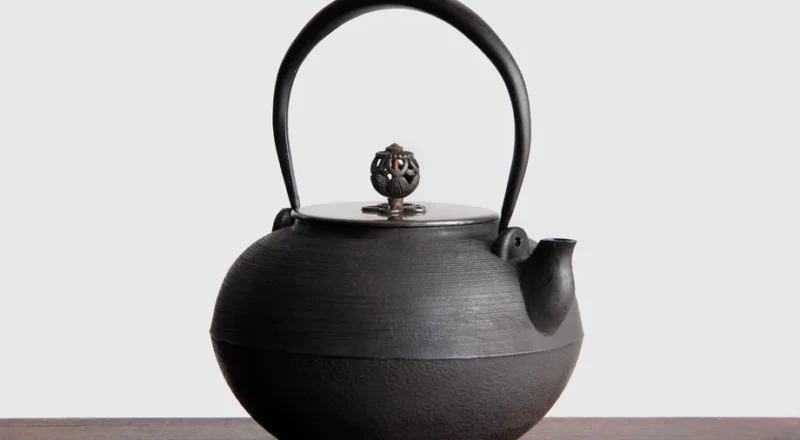
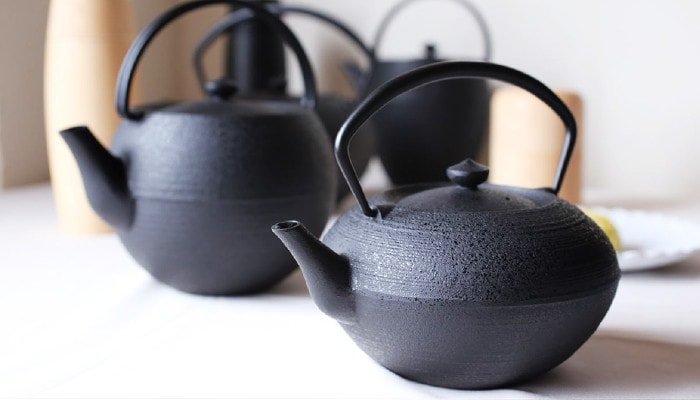
The vessel you use can amplify or mute the smoky notes from your fire. Cast iron kettles and pans are favorites for their heat retention and ability to absorb subtle flavors over time. For those interested in the care and use of these traditional tools, this detailed guide on cast iron teapots covers everything from seasoning to cleaning.
Iron cookware develops a natural patina, which not only protects the surface but also enhances the transfer of smoky aromas. Stainless steel and enameled pots are easier to clean but may not deliver the same depth of flavor as seasoned iron.

Traditional Methods for Infusing Smoky Aroma
Across cultures, cooks have developed time-tested ways to maximize the character of wood-fired meals. Hanging kettles over embers, slow-cooking stews in Dutch ovens, and using smoke boxes for tea are just a few examples. These methods allow for gradual flavor absorption and even cooking.
For a deeper dive into the heritage of open-flame hospitality, the article on outdoor hospitality traditions examines how sharing a fire has brought people together for centuries.
Some practical techniques include:
- Indirect cooking: Place food beside, not directly over, the fire to avoid charring and encourage gentle smoke infusion.
- Smoke tents or lids: Trap smoke around the food for a more pronounced effect.
- Layering flavors: Add herbs or spices to the coals for additional aroma.
Tips for Maintaining and Cleaning Your Cookware
Proper care of your cast iron or steel cookware is essential for preserving both its longevity and its ability to impart smoky flavors. After each use, clean your pot or pan with hot water and a gentle brush. Avoid soap, which can strip away the seasoning that builds up flavor over time. Dry thoroughly and apply a thin layer of oil to prevent rust.
For those looking to restore or maintain their cookware, a dedicated care kit can make the process easier and more effective. Regular maintenance ensures that your pots and pans continue to deliver the best results, batch after batch.
Pairing Foods and Drinks With Wood-Fired Aromas
Some ingredients naturally complement the smoky notes from a wood fire. Meats like beef, pork, and lamb absorb bold flavors, while vegetables such as mushrooms, peppers, and onions take on a subtle smokiness. Even beverages like tea and coffee can be elevated by brewing over embers, resulting in a rich, layered profile.
Experiment with different combinations to find your preferred balance. For inspiration on how historic communities approached open-fire meals, check out the article on historic food serving methods.
Common Pitfalls and How to Avoid Them
While cooking over wood offers unmatched flavor, there are a few common mistakes to avoid:
- Using the wrong wood: Avoid softwoods and unseasoned logs, which can produce unpleasant flavors.
- Over-smoking: Too much smoke can make food bitter. Aim for a thin, steady stream rather than billowing clouds.
- Neglecting cookware care: Failing to clean and season your pots can lead to rust and off-flavors.
By following these tips, you’ll enjoy the full benefits of wood-fired cooking without the drawbacks.
Frequently Asked Questions
What type of wood is best for enhancing smoky flavor?
Hardwoods like oak, hickory, and maple are top choices for deep, rich smoke. Fruitwoods such as apple and cherry offer a milder, sweeter aroma. Always use seasoned wood for the best results.
How do I prevent food from becoming too smoky or bitter?
Use a small, controlled fire and let it burn down to embers before cooking. Avoid overloading the fire with wood and ensure good airflow for clean smoke. Indirect cooking and using lids or smoke tents can help moderate the intensity.
Is cast iron necessary for wood fire cooking?
While not strictly necessary, cast iron is highly recommended for its heat retention and ability to absorb and enhance smoky flavors. Properly seasoned iron cookware can make a noticeable difference in the final taste of your dishes.
How do I care for my cookware after wood fire use?
Clean your cookware with hot water and a brush, avoiding soap. Dry thoroughly and apply a thin layer of oil to prevent rust and maintain the seasoning that builds flavor over time.
Conclusion
Enhancing the taste of your meals with wood fire is both an art and a science. By choosing the right wood, mastering fire management, using traditional cookware, and caring for your tools, you can achieve a smoky depth that elevates any dish. Explore different techniques, learn from global traditions, and enjoy the rich, layered flavors that only a real fire can provide.


