
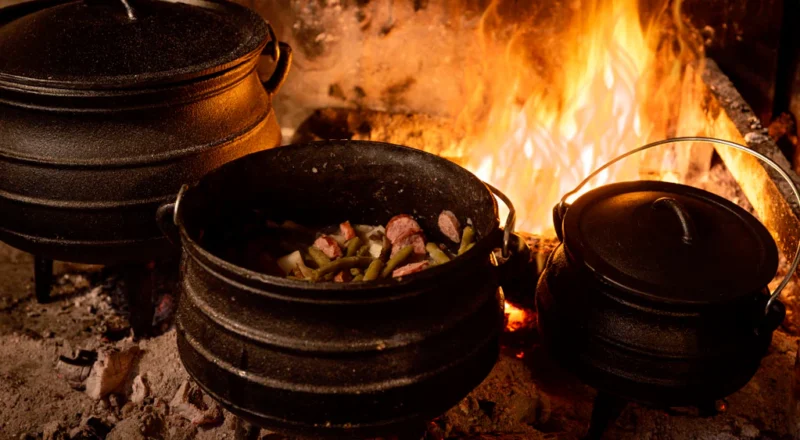
Choosing the right cookware for high-heat applications is essential for both home cooks and professionals. Whether you’re searing, roasting over an open flame, or simmering stews for hours, the material of your cookware determines not just performance, but also safety and durability. Understanding high temperature cookware materials helps you select pots and pans that withstand intense heat without warping, breaking, or releasing harmful substances.
In this guide, we’ll break down the most common materials used for high-heat cooking, compare their strengths and weaknesses, and offer practical advice for choosing the best option for your kitchen or campfire. If you’re interested in the historical evolution of cooking vessels, you might also enjoy exploring how pots changed through history and how different cultures have adapted their cookware to suit open fire and high-temperature techniques.
Understanding the Demands of High-Heat Cooking
Cooking over high heat—whether on a stovetop, grill, or open flame—puts unique stress on cookware. Materials must resist thermal shock, maintain structural integrity, and avoid releasing toxins at elevated temperatures. The best high temperature cookware materials are those that can handle rapid temperature changes, direct flame, and prolonged exposure to heat without degrading.
Historically, cultures worldwide have developed specialized cookware for fire-based cooking. For example, eastern european kettle cooking traditions rely on robust metal pots that can withstand the rigors of open fires. Today, modern manufacturing offers a range of materials, each with its own set of advantages and drawbacks.
Top Materials for High-Temperature Cooking
Let’s examine the most popular materials used in cookware designed for high-heat environments, from classic cast iron to advanced ceramics.
Cast Iron: The Classic Choice
Cast iron has been a staple for centuries, prized for its ability to absorb, retain, and evenly distribute heat. It’s ideal for searing, frying, baking, and open-fire cooking. Cast iron can withstand temperatures well above 500°F (260°C) and, when properly seasoned, develops a natural nonstick surface.
- Pros: Extremely durable, excellent heat retention, naturally nonstick when seasoned, suitable for oven and fire.
- Cons: Heavy, requires regular seasoning, can rust if not cared for, slow to heat up.
For more on the health and maintenance aspects, see this comprehensive guide to cast iron cooking.
Stainless Steel: Versatile and Reliable
Stainless steel is another popular option for high-heat applications. While it doesn’t retain heat as well as cast iron, it’s resistant to corrosion, easy to clean, and doesn’t react with acidic foods. High-quality stainless steel cookware often features an aluminum or copper core to improve heat conduction.
- Pros: Lightweight, resists rust and corrosion, non-reactive, dishwasher safe.
- Cons: Can develop hot spots unless layered with other metals, not naturally nonstick.
Carbon Steel: Lightweight Strength
Carbon steel pans combine some of the best qualities of cast iron and stainless steel. They’re lighter than cast iron but still handle high temperatures and develop a seasoned surface over time. Carbon steel is favored for woks, crepe pans, and professional fry pans.
- Pros: Lighter than cast iron, excellent heat tolerance, develops nonstick patina, quick to heat up.
- Cons: Requires seasoning, prone to rust if not dried and oiled, can warp if overheated when empty.
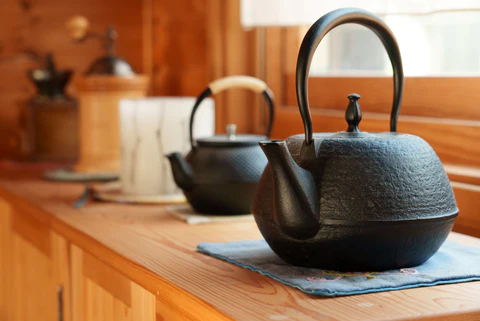
Ceramic and Stoneware: Modern and Traditional Options
Both traditional stoneware and modern ceramic cookware can handle high oven temperatures, making them suitable for baking and roasting. However, not all ceramics are created equal. Only those labeled as oven-safe or flameproof should be used for high-heat cooking, as some glazes or compositions can crack under thermal shock.
- Pros: Excellent for even baking, non-reactive, often attractive for serving.
- Cons: Brittle, can crack with sudden temperature changes, not suitable for stovetop or open flame unless specified.
Enamel-Coated Cast Iron: The Best of Both Worlds?
Enamel-coated cast iron offers the heat performance of traditional cast iron with a protective, non-reactive surface. These pieces are ideal for braising, roasting, and baking at high temperatures. The enamel prevents rust and makes cleaning easier, but it can chip if dropped or subjected to sudden temperature changes.
- Pros: Excellent heat retention, easy to clean, resists rust, non-reactive.
- Cons: Heavy, enamel can chip, usually more expensive.
Copper: Superior Heat Control, But With Caveats
Copper cookware is prized for its rapid, precise heat conduction. However, copper reacts with acidic foods and is rarely used alone for high-heat cooking. Most copper pans are lined with stainless steel or tin to prevent food contact with the copper itself.
- Pros: Exceptional heat responsiveness, beautiful appearance.
- Cons: Expensive, requires polishing, not suitable for open flame, can react with food if unlined.

Comparing Performance: What Material Is Right for You?
The ideal material depends on your cooking style, heat source, and maintenance preferences. Here’s a quick comparison to help you decide:
| Material | Max Safe Temp | Best Uses | Care Needs |
|---|---|---|---|
| Cast Iron | 500°F+ (260°C+) | Searing, baking, open fire, stews | Seasoning, hand wash, dry thoroughly |
| Stainless Steel | 600°F (315°C) | Boiling, sautéing, oven roasting | Dishwasher safe, polish if desired |
| Carbon Steel | 600°F (315°C) | Stir-frying, frying, baking | Seasoning, dry after washing |
| Ceramic/Stoneware | 500°F (260°C) | Baking, roasting | Hand wash, avoid thermal shock |
| Enamel-Coated Cast Iron | 500°F (260°C) | Braising, roasting, baking | Gentle cleaning, avoid chipping |
| Copper (lined) | 450°F (232°C) | Precision cooking, sauces | Polish, hand wash, avoid high flame |
Care and Longevity of High-Heat Cookware
Proper maintenance ensures your cookware lasts for generations. Cast iron and carbon steel require seasoning—a process of building up a protective oil layer. Stainless steel and enamel-coated pieces are easier to clean but still benefit from gentle handling. Avoid drastic temperature changes with ceramics and stoneware to prevent cracking.
For those interested in the roots of these materials, the history of metal casting reveals how ancient techniques continue to influence modern cookware design.
Frequently Asked Questions
What is the safest material for high-heat cooking?
Cast iron, carbon steel, and high-quality stainless steel are generally considered the safest options for high-heat cooking. They do not leach harmful chemicals and can withstand extreme temperatures when used properly.
Can nonstick pans be used over high heat?
Most nonstick coatings degrade at temperatures above 500°F (260°C) and can release fumes. For searing or open-flame cooking, avoid nonstick pans and opt for cast iron or carbon steel instead.
How do I prevent my cookware from warping or cracking?
Always heat cookware gradually and avoid exposing it to sudden temperature changes. For example, don’t place a hot pan under cold water. Season cast iron and carbon steel regularly to maintain their protective layer.
Conclusion
When selecting cookware for high-temperature applications, focus on materials that offer durability, safety, and performance. High temperature cookware materials like cast iron, carbon steel, and stainless steel have stood the test of time for a reason. By understanding the properties of each material, you can choose the right tools for your cooking style—whether you’re grilling over an open flame, baking bread, or simmering a stew. For more on how different cultures have approached fire-based cooking, explore cultural kettle cooking traditions and the evolution of cooking vessel designs through history.


