
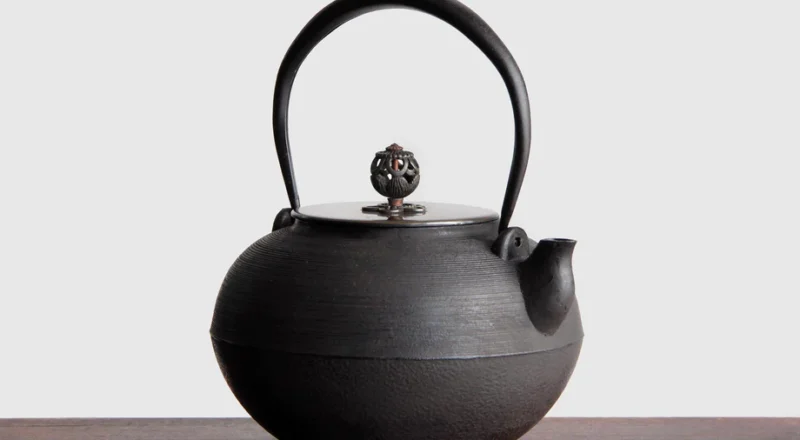
Antique kettles, with their timeless charm and sturdy construction, offer far more than just a glimpse into culinary history. Whether made of cast iron, copper, or brass, these vessels can be transformed into unique decorative pieces or functional elements for your home and garden. Repurposing antique kettles not only preserves their legacy but also brings a touch of character and sustainability to modern spaces.
In this guide, you’ll discover practical and imaginative ways to give old kettles a new lease on life. We’ll explore indoor and outdoor uses, care tips, and how to integrate these vintage items into both traditional and contemporary settings. If you’re interested in the evolution of cookware, you might also enjoy reading about how pots changed through history, which highlights the fascinating journey of kitchen tools like kettles.
Why Repurpose Vintage Kettles?
Giving new purpose to old kettles is a sustainable choice that reduces waste and celebrates craftsmanship. Many antique kettles are made from durable materials that can last for generations, making them ideal candidates for creative reuse. Beyond environmental benefits, these pieces often feature intricate designs, patinas, and shapes that add visual interest wherever they’re displayed.
Repurposing also allows you to connect with history. Whether your kettle was once used for eastern european kettle cooking or as part of another cultural tradition, integrating it into your decor or garden can spark conversation and appreciation for the past.
Indoor Decor Ideas for Repurposed Kettles
There are countless ways to incorporate antique kettles into your home’s interior design. Here are some popular and practical ideas:
- Table Centerpieces: Fill a kettle with fresh or dried flowers to create a rustic centerpiece. The aged metal contrasts beautifully with colorful blooms.
- Planters: Use kettles as unique pots for succulents, herbs, or small houseplants. Ensure proper drainage by adding a layer of pebbles at the bottom.
- Candle Holders: Place pillar candles inside large kettles for a cozy, vintage-inspired glow. Smaller kettles can hold tealights or votives.
- Storage Solutions: Store utensils, napkins, or kitchen tools in a kettle on your countertop. In living spaces, they can hold remote controls, keys, or craft supplies.
- Bookends: Heavy kettles can serve as sturdy and decorative bookends on shelves or mantels.

Garden Uses for Antique Kettles
Bringing old kettles outdoors opens up even more possibilities. Their weathered appearance blends well with natural settings, and their robust construction stands up to the elements. Here are some creative garden applications:
- Hanging Planters: Attach sturdy chains or ropes to the handle and hang kettles from tree branches, pergolas, or hooks. Fill them with trailing plants like ivy or petunias.
- Bird Feeders: Convert a kettle into a charming bird feeder by filling it with seeds and suspending it from a branch or shepherd’s hook.
- Water Features: Incorporate kettles into small fountains or ponds. Water can pour from the spout for a whimsical effect.
- Garden Art: Group several kettles together as a sculptural display, or paint them with weather-resistant colors for a playful touch.
- Tool Holders: Use kettles to store small garden tools, gloves, or seed packets in your potting area.
Tips for Preparing and Maintaining Repurposed Kettles
Before using an old kettle as a planter, decor item, or garden feature, it’s important to clean and prepare it properly. Here are some steps to ensure your project is both safe and long-lasting:
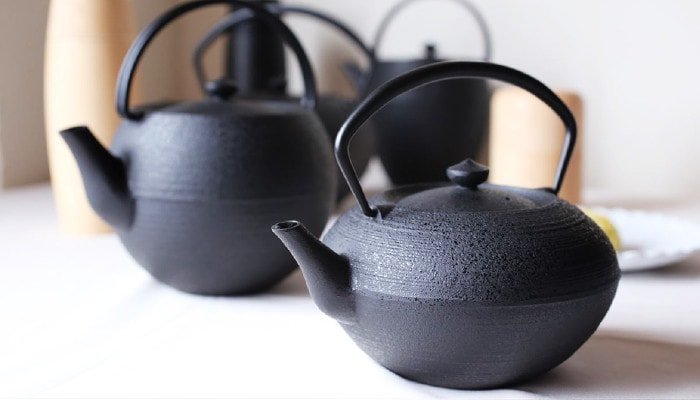
- Clean Thoroughly: Remove any rust, dirt, or old residues. For cast iron kettles, use a gentle brush and avoid harsh chemicals. If you need more information on kettle materials, check out this guide to iron kettles and teapots for detailed care instructions.
- Check for Sharp Edges: Inspect for any jagged or broken areas, especially if children or pets will be nearby. Sand down rough spots if needed.
- Seal If Necessary: For kettles used outdoors or as planters, consider applying a clear, weather-resistant sealant to prevent further rust or corrosion.
- Ensure Drainage: If using as a planter, drill small holes in the bottom or add a layer of gravel to prevent waterlogging.
Regular maintenance will keep your repurposed kettle looking great. Wipe down surfaces occasionally and reapply sealant as needed, especially if exposed to rain or sun.
Blending Old and New: Styling Tips
Integrating antique kettles into your decor is all about balance. Here are a few styling tips to help these vintage pieces shine:
- Mix Materials: Pair metal kettles with wood, glass, or ceramic elements for contrast.
- Highlight Patina: Don’t be afraid to showcase the natural aging and wear of your kettle. The patina tells a story and adds authenticity.
- Group with Other Antiques: Create a vignette with other vintage kitchenware, such as old ladles, pots, or trays.
- Modern Accents: Place a rustic kettle in a minimalist or modern setting for an eye-catching focal point.
For those interested in the broader context of cookware evolution, the article on cooking vessel designs through history provides insights into how these items have changed over time.
Common Questions About Repurposing Antique Kettles
Can all antique kettles be safely reused for decor or gardening?
Most old kettles can be repurposed, but it’s important to check for lead-based solder, peeling paint, or severe rust. If you’re unsure about the material or finish, use the kettle for decorative purposes only and avoid direct contact with food or water for animals.
How do I prevent rust when using a kettle outdoors?
Apply a clear, weather-resistant sealant to protect the metal from moisture. Regularly inspect for signs of rust and touch up as needed. For cast iron, seasoning the surface can also help prevent corrosion.
What plants work best in kettle planters?
Succulents, herbs, and small annuals thrive in kettle planters. Choose plants that don’t require deep root systems, and ensure adequate drainage to keep roots healthy.
Conclusion
Transforming old kettles into decor or garden features is a rewarding way to combine sustainability, creativity, and history. Whether you’re crafting a floral centerpiece, a whimsical bird feeder, or a rustic planter, these vintage vessels offer endless possibilities. With proper care and a bit of imagination, antique kettles can become cherished elements in your home or outdoor space, bridging the gap between past and present.


