
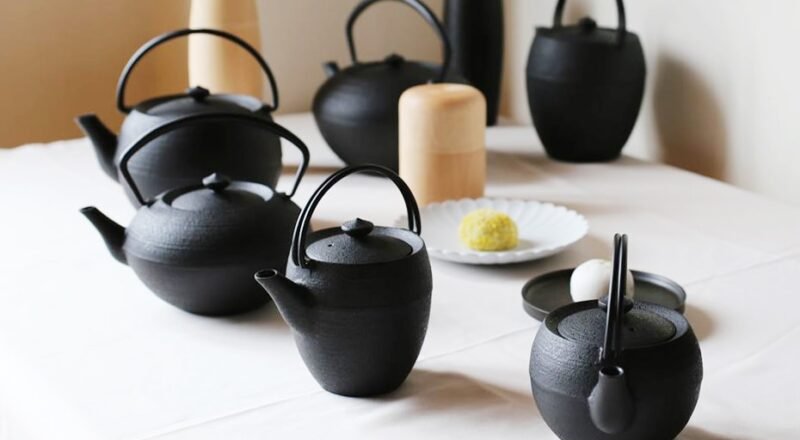
Outdoor cast iron pieces, from planters and urns to kettles and decorative vessels, bring timeless charm and durability to gardens and patios. However, exposure to rain, sun, and temperature swings can cause even the sturdiest iron to rust, flake, or lose its luster. Weatherproofing cast iron decor is essential for preserving its beauty and structural integrity, ensuring your investment lasts for years.
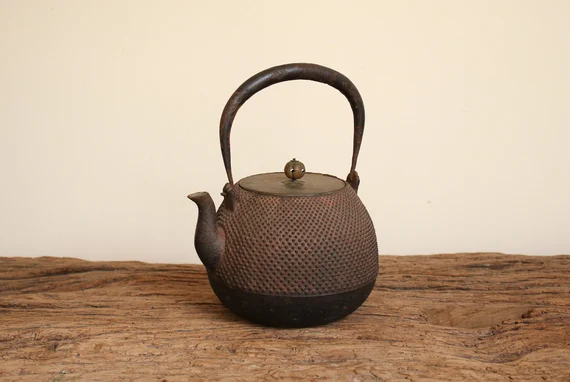
This guide covers practical steps for shielding your cast iron from the elements, recommended products, and ongoing care tips. Whether you’re restoring a vintage teapot or maintaining a modern outdoor feature, you’ll find actionable advice to keep your iron pieces looking their best. For those interested in the historical context of these vessels, the evolution of cooking vessels offers fascinating insights into how these objects have changed over time.
Why Outdoor Cast Iron Needs Protection
While cast iron is renowned for its strength, it is also highly susceptible to corrosion when exposed to moisture and oxygen. Outdoor vessels face additional threats from:
- Rain and humidity – Accelerates rust formation and can cause pitting.
- Sunlight – UV rays can degrade protective coatings and paint.
- Temperature changes – Expansion and contraction may lead to cracks or flaking finishes.
- Soil and plant matter – Organic debris traps moisture against the metal, speeding up deterioration.
Without proper care, even decorative cast iron can become brittle, stained, or structurally unsound. That’s why weatherproofing cast iron decor is a crucial step for anyone displaying these pieces outdoors.
Preparing Cast Iron Vessels for Outdoor Use
Before applying any protective treatments, it’s important to start with a clean, dry surface. Here’s how to prepare your cast iron:
- Remove dirt and debris: Use a stiff brush to clear away soil, leaves, and loose rust. For stubborn grime, a mild soap and water solution works well. Rinse thoroughly and dry completely.
- Address existing rust: Light surface rust can be scrubbed off with steel wool or a wire brush. For deeper corrosion, consider a rust remover formulated for cast iron. Always wear gloves and follow product instructions.
- Inspect for damage: Check for cracks, holes, or flaking. Repair minor damage with cast iron filler or epoxy if needed. Severely compromised vessels may require professional restoration.
Once your vessel is clean and rust-free, it’s ready for a protective finish.
Best Methods for Weatherproofing Cast Iron Decor
There are several effective ways to shield outdoor iron from the elements. The right method depends on the vessel’s intended use and your aesthetic preferences.
1. Seasoning with Oil
For kettles, planters, and vessels that come into contact with food or water, seasoning is a traditional and food-safe approach. This process involves applying a thin layer of oil (such as flaxseed, canola, or a specialty cast iron oil) and heating the vessel to bond the oil to the metal, creating a natural barrier against moisture.
Step-by-step instructions for seasoning can be found in this guide to properly seasoning a cast iron kettle. Repeat the seasoning process periodically, especially after heavy use or cleaning.
2. Applying Protective Paint or Enamel
For purely decorative pieces, a high-quality outdoor metal paint or enamel provides long-lasting protection. Look for products labeled as rust-inhibiting or weather-resistant. Apply multiple thin coats, allowing each to dry thoroughly. Enamel finishes offer extra durability and a glossy appearance.
3. Using Wax or Commercial Sealants
Specialty waxes and sealants designed for metal can be buffed onto cast iron to repel water and slow oxidation. These products are ideal for items that see light use or for maintaining the patina of antique pieces. Reapply as needed, especially after exposure to rain or cleaning.
Ongoing Care and Maintenance Tips
Weatherproofing is not a one-time task. To keep your outdoor cast iron in top condition, follow these ongoing care practices:
- Clean regularly: Remove dirt and debris to prevent moisture buildup.
- Touch up coatings: Inspect for chips or scratches in paint, enamel, or wax and reapply as needed.
- Store during harsh weather: If possible, move vessels indoors or cover them during heavy rain, snow, or freezing temperatures.
- Elevate planters: Use pot feet or bricks to lift cast iron planters off the ground, reducing contact with wet soil.
- Monitor for rust: Address any signs of corrosion promptly to prevent further damage.
For those interested in outdoor design, integrating iron pieces into rustic focal point landscaping can enhance both function and visual appeal.
Common Mistakes to Avoid When Protecting Outdoor Iron
Even well-intentioned efforts can backfire if the wrong products or techniques are used. Avoid these pitfalls:
- Skipping surface prep: Applying coatings over dirt or rust traps moisture and accelerates deterioration.
- Using indoor-only paints: These lack UV and moisture resistance, leading to rapid peeling and rust.
- Neglecting regular checks: Small chips or scratches can quickly turn into larger rust patches if ignored.
- Over-applying oil or wax: Thick, sticky layers attract dust and can become gummy in heat. Always use thin, even coats.
Integrating Cast Iron Decor into Outdoor Spaces
When properly protected, cast iron vessels serve as both functional and decorative elements in gardens, patios, and entryways. Their weight and durability make them ideal for planters, water features, and fire pit accessories. For inspiration on how to use these pieces in your landscape, explore the metal casting history to see how ironwork has evolved in outdoor design.
Pairing cast iron with natural stone, wood, or lush greenery creates a striking contrast and adds a sense of permanence to your space. Just remember to maintain your weatherproofing routine to keep these features looking their best year-round.
Frequently Asked Questions
How often should I reapply protective coatings to outdoor cast iron?
The frequency depends on your local climate and the type of coating used. Generally, oil seasoning should be refreshed every few months or after heavy rain. Paint and enamel may last several years but should be touched up at the first sign of wear. Wax and sealants are best reapplied seasonally or after cleaning.
Can I use cooking oil to season decorative cast iron vessels?
Yes, food-safe oils like flaxseed or canola are suitable for seasoning, especially for vessels used with food or water. However, specialty cast iron oils often provide a more durable finish and are less likely to become sticky or rancid outdoors.
What should I do if my cast iron vessel starts to rust?
Remove the rust as soon as possible using a wire brush or steel wool. Clean the area thoroughly, dry it, and reapply your chosen protective finish. Prompt action prevents rust from spreading and causing deeper damage.
Is it safe to leave cast iron planters outside all winter?
While cast iron is durable, freeze-thaw cycles can cause cracks or flaking, especially if water collects inside the vessel. If possible, move planters indoors or cover them during harsh winter weather. Elevating them off the ground also helps reduce moisture exposure.
By following these steps and maintaining a regular care routine, you can enjoy the enduring beauty and function of your outdoor cast iron decor for many seasons to come.


