
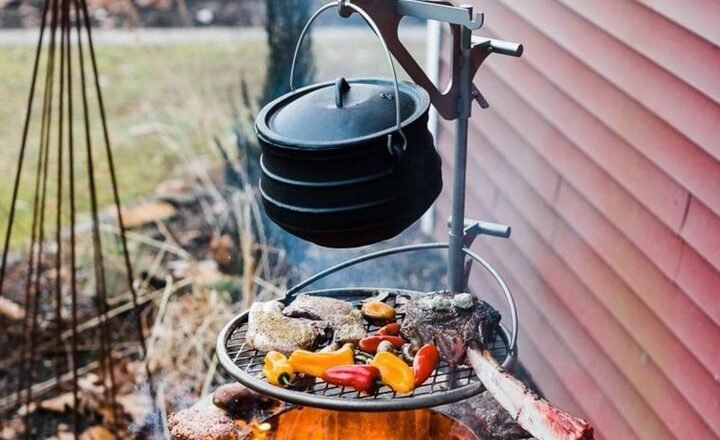
Cooking over an open flame is a time-honored tradition that brings people together and infuses food with unique flavors. Whether you’re camping in the wilderness or enjoying a backyard gathering, fire pit meal preparation offers a rewarding way to create delicious, memorable dishes. This guide covers everything you need to know to confidently plan, cook, and serve meals over a fire pit, from choosing the right equipment to mastering essential techniques.
Before diving into the practical steps, it’s fascinating to consider how outdoor cooking has evolved. For those interested in the evolution of cooking vessels, there’s a rich history behind the pots and tools we use today. Understanding this background can deepen your appreciation for the craft and inspire your next outdoor feast.
Essential Tools for Outdoor Cooking
Successful fire pit meal preparation starts with the right gear. While you don’t need a professional kitchen, a few well-chosen items make a big difference:
- Cast Iron Cookware: Dutch ovens, skillets, and griddles are favorites for their heat retention and durability.
- Long-Handled Utensils: Tongs, spatulas, and spoons designed for grilling keep your hands safe from the heat.
- Fire-Resistant Gloves: Protect your hands when moving pots or adjusting logs.
- Grill Grate or Tripod: These allow you to suspend pots or grill directly over the flames.
- Heat-Resistant Plates and Bowls: Choose materials that can handle high temperatures and rough handling.
Maintaining your cast iron is crucial. For tips on keeping your cookware in top shape, check out this guide to seasoning cast iron kettles before your next trip.
Building the Perfect Cooking Fire
The foundation of every great campfire meal is a well-built fire. There are several fire structures to consider, each suited to different cooking methods:
- Log Cabin: Stacks logs in a square, creating a stable base for grates or pots.
- Teepee: Arranges kindling and logs in a cone shape for quick ignition and high flames.
- Keyhole: Combines a main fire for heat with a side area for embers, ideal for slow cooking.
Allow your fire to burn down until you have a bed of glowing coals. Coals provide steady, even heat, which is essential for consistent results when preparing meals over a fire pit.

Planning a Fire Pit Menu
When organizing a meal around the fire, choose recipes that are simple, hearty, and adaptable. Here are some popular options for campfire meal prep:
- One-Pot Stews and Chilis: Combine proteins, vegetables, and spices in a Dutch oven for a filling meal.
- Grilled Meats and Vegetables: Skewers, steaks, and corn on the cob cook beautifully over open flames.
- Foil Packets: Wrap ingredients in foil for easy, mess-free cooking and cleanup.
- Breakfast Dishes: Scrambled eggs, pancakes, and breakfast burritos can all be made over the coals.
- Desserts: S’mores, baked apples, and cobblers are classic sweet treats.
Consider dietary preferences and prep as much as possible at home. Chopping vegetables, marinating meats, and pre-mixing batters save time and reduce stress at the campsite.
Techniques for Mastering Fire Pit Cooking
Cooking over a fire pit requires a blend of patience and skill. Here are some proven techniques to help you achieve great results:
- Heat Management: Move pots and grates closer or farther from the coals to control temperature. Rotate food regularly for even cooking.
- Layering Coals: Place more coals under one side of your cookware for two-zone cooking—hot and warm areas for different ingredients.
- Using Lids: Trap heat and moisture by covering Dutch ovens or pans, especially for baking or braising.
- Timing: Start with foods that take the longest to cook, adding quicker items later.
- Monitoring: Check food frequently to prevent burning, especially when flames flare up.
For those interested in slow-simmered recipes, broth making over fire pits is a rewarding technique that brings out deep flavors and warmth on cool evenings.
Safety Tips for Outdoor Meal Preparation
While cooking outdoors is enjoyable, it’s important to prioritize safety:
- Clear the Area: Remove flammable materials from around the fire pit.
- Supervise Children and Pets: Keep a safe distance from the flames and hot cookware.
- Have Water or Sand Ready: Be prepared to extinguish the fire quickly if needed.
- Use Proper Tools: Always use long-handled utensils and heat-resistant gloves.
- Dispose of Ashes Safely: Allow ashes to cool completely before discarding.
By following these guidelines, you can enjoy your meal without worry and minimize risks to yourself and your surroundings.
Cleaning and Caring for Your Cookware
Proper maintenance extends the life of your gear and ensures safe, tasty meals. After each use:
- Clean Promptly: Wipe out food residue and rinse with hot water. Avoid soap on cast iron to preserve seasoning.
- Dry Thoroughly: Prevent rust by drying cookware over the fire or with a towel.
- Re-Season Cast Iron: Apply a thin layer of oil and heat until it smokes lightly. This keeps the surface non-stick and rust-free.
For a deeper look at the history and importance of these materials, the metal casting history of cookware is worth exploring.
Creative Ideas for Memorable Campfire Meals
Once you’ve mastered the basics, experiment with new flavors and presentations. Try incorporating local ingredients, using herbs from your garden, or adapting family recipes for the fire. For a festive touch, consider integrating your meal into a themed outdoor event—take inspiration from rustic autumn decorations to set the scene.
For those interested in enhancing their outdoor space, rustic focal point landscaping ideas can help create the perfect backdrop for your next gathering.
Frequently Asked Questions
What are the best foods to cook over a fire pit?
Hearty dishes like stews, chilis, grilled meats, foil packet meals, and classic campfire breakfasts work especially well. Choose recipes that can handle variable heat and don’t require precise timing.
How do I keep food from sticking to cast iron over the fire?
Properly seasoned cast iron is naturally non-stick. Make sure to preheat your pan, use a bit of oil, and avoid cooking acidic foods for long periods. For more details, refer to a comprehensive guide on seasoning cast iron.
Is it safe to cook directly over open flames?
Cooking over open flames is safe as long as you use the right tools, monitor the fire, and follow basic safety practices. For best results, cook over hot coals rather than direct flames to ensure even heat and reduce the risk of burning food.


