
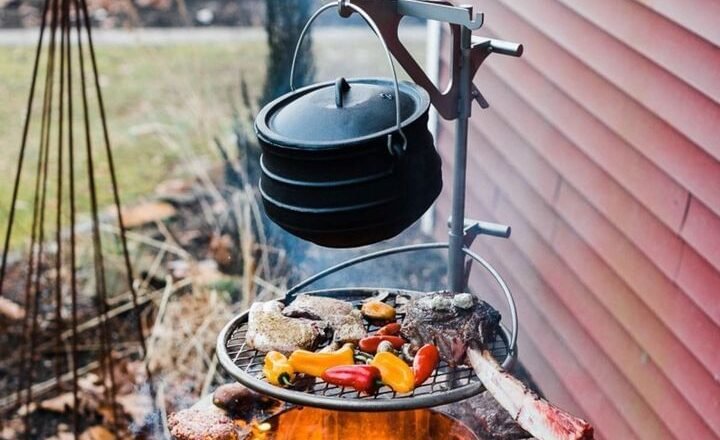
Cooking over an open flame has a timeless appeal, blending tradition with the satisfaction of hands-on control. Chain suspended cookware systems offer a practical way to harness this experience, allowing cooks to fine-tune heat exposure by simply raising or lowering their pots and pans. Whether you’re outfitting a rustic outdoor kitchen, planning a backyard gathering, or seeking a flexible solution for campfire meals, these systems provide unmatched versatility and control.
In this guide, you’ll discover how these adjustable setups work, their key advantages, and tips for choosing and using them effectively. We’ll also connect the dots between these hanging systems and the broader evolution of cooking vessels throughout history, highlighting why this age-old method continues to thrive in modern outdoor cooking.
Understanding Suspended Cooking Setups
At its core, a chain suspended cookware system consists of a sturdy tripod, crossbar, or frame positioned over a fire pit or hearth. Chains or hooks hang from the frame, supporting cookware such as Dutch ovens, kettles, or griddles. The key feature is adjustability: by moving the chain links or sliding hooks, you can raise or lower the cookware to control how much heat it receives from the flames or coals below.
This simple yet effective design has roots in centuries-old cooking traditions. Before the advent of modern stoves, cooks relied on suspended pots to manage temperature and avoid scorching. Today, these systems are popular for outdoor enthusiasts, caterers, and anyone who values hands-on control in their cooking process.
Benefits of Adjustable Chain Systems for Outdoor Cooking
There are several reasons why chain suspended cookware systems are favored for open-fire cooking:
- Precise Heat Control: Adjusting the height of your cookware lets you fine-tune cooking temperatures without moving heavy pots or shifting coals.
- Versatility: These systems accommodate a range of cookware types and sizes, from cast iron Dutch ovens to large soup kettles.
- Safety: Keeping pots suspended above the flames reduces the risk of tipping or accidental burns compared to balancing them directly on rocks or grates.
- Efficiency: Multiple chains or hooks allow for cooking several dishes at once, making them ideal for group meals or events.
- Durability: Most setups are made from robust materials like steel or wrought iron, designed to withstand high heat and outdoor conditions.
For those interested in the historical context, the metal casting history of cookware reveals how these systems evolved alongside advances in metallurgy and domestic design.

Choosing the Right Hanging Cookware System
When selecting a suspended cooking setup, consider the following factors to ensure it meets your needs:
- Frame Type: Tripods are portable and easy to set up, while fixed crossbars or custom frames offer more stability for larger gatherings.
- Chain Length and Adjustability: Look for chains with multiple links or adjustable hooks for maximum control over cooking height.
- Weight Capacity: Ensure the system can safely support your heaviest cookware, especially when filled with food or liquid.
- Material: Opt for rust-resistant metals like stainless steel or powder-coated iron for longevity in outdoor environments.
- Ease of Assembly: Some systems are designed for quick setup and takedown, which is ideal for camping or mobile catering.
For those who enjoy hosting outdoor feasts, integrating a suspended system can enhance both the cooking process and the overall atmosphere. You might also explore ideas for rustic focal point landscaping to complement your outdoor kitchen area.
How to Use Chain Suspended Systems Effectively
Getting the most out of your adjustable hanging setup involves a few practical steps:
- Set Up Over a Stable Fire: Position the frame securely over your fire pit or hearth, ensuring it won’t tip or shift during use.
- Attach Cookware: Hang your pot, pan, or kettle from the chain using a sturdy hook. Make sure the chain is rated for the weight.
- Adjust for Temperature: Lower the cookware closer to the flames for high-heat tasks like boiling or searing. Raise it higher for simmering, slow-cooking, or keeping food warm.
- Monitor and Rotate: Open fire heat can be uneven. Rotate your cookware occasionally for even cooking and to prevent hot spots.
- Practice Fire Safety: Keep a safe distance from the flames, use heat-resistant gloves, and never leave the fire unattended.
With a little practice, you’ll find it easy to manage everything from hearty stews to delicate sauces. For inspiration on what to cook, check out recipes and techniques for broth making over fire pits and other open-fire favorites.
Care and Maintenance Tips for Hanging Cookware
To keep your chain suspended cookware system in top condition, regular maintenance is essential:
- Clean Chains and Hooks: After each use, remove soot and food residue from chains and hooks to prevent buildup and rust.
- Inspect for Wear: Periodically check all components for signs of stress, corrosion, or damage. Replace any compromised parts promptly.
- Store Properly: When not in use, store the system in a dry place to avoid moisture damage. Disassemble portable frames for compact storage.
- Season Cast Iron: If you use cast iron cookware, maintain its seasoning for optimal performance. For a comprehensive guide on this, see this comprehensive guide to cooking with enameled cast iron cookware.
Taking these steps will ensure your setup remains safe, functional, and ready for your next outdoor cooking adventure.
Creative Uses and Event Applications
Beyond backyard meals, these adjustable hanging systems are increasingly popular for:
- Outdoor Events: Caterers and event planners use them for rustic-themed weddings, festivals, and group gatherings.
- Campfire Cooking: Campers appreciate the portability and flexibility for preparing everything from coffee to full meals.
- Garden Features: Some homeowners incorporate suspended cookware setups as decorative focal points in outdoor kitchens or patios.
For those planning large-scale outdoor feasts, consider the benefits of specialized rustic event catering equipment that complements chain-based cooking systems.
Frequently Asked Questions
What types of cookware work best with chain suspended systems?
Heavy-duty cookware such as cast iron Dutch ovens, steel kettles, and griddles are ideal. These materials handle direct heat well and have sturdy handles for hanging. Lightweight or non-stick pans are generally not recommended due to potential warping and safety concerns.
How do I prevent food from burning when cooking over an open fire?
Adjust the height of your cookware to control the intensity of the heat. Start higher above the flames and lower gradually as needed. Stir food regularly and rotate the pot to ensure even cooking. Using a lid can also help regulate temperature and prevent scorching.
Are these systems suitable for indoor use?
While traditionally designed for outdoor fire pits, some chain suspended systems can be adapted for indoor hearths with proper ventilation and fire safety measures. Always consult local fire codes and use appropriate fireproof materials if considering indoor installation.


