
Achieving consistent and controlled heat is essential when cooking over an open fire, especially with traditional setups like a tripod and hanging pot. The ability to fine-tune the height of your cookware above the flames is what separates a well-cooked meal from one that’s burnt or underdone. This guide explores tripod chain adjustment methods that help you master heat control, ensuring your outdoor cooking is both efficient and enjoyable.
Whether you’re simmering a stew, boiling water, or slow-cooking broth, understanding how to adjust your tripod’s chain can make a significant difference. The right approach not only enhances your cooking results but also improves safety and fuel efficiency. For those interested in the historical context of outdoor cookware, the evolution of cooking vessels provides fascinating insights into how these techniques have developed over centuries.
Why Chain Adjustment Matters in Outdoor Cooking
Open-fire cooking relies on managing the distance between your pot and the heat source. With a tripod setup, the chain is your main tool for this adjustment. Raising or lowering the pot changes the intensity of heat it receives, allowing for everything from a rolling boil to a gentle simmer. Mastering these tripod chain adjustment methods is crucial for:
- Heat Control: Fine-tuning the chain length lets you avoid scorching or undercooking.
- Versatility: Easily switch between different cooking tasks, such as boiling, frying, or slow-cooking.
- Safety: Keeping cookware at the right height reduces the risk of tipping or accidental burns.
- Fuel Efficiency: Proper adjustment means less wasted wood or charcoal.
These benefits are especially important for those who enjoy broth making over fire pits or preparing slow-simmered recipes outdoors.
Basic Tripod Chain Mechanisms
Most tripod setups use a simple metal chain with a hook or S-hook at the end. The chain is attached to the top of the tripod and the hook supports your pot, kettle, or Dutch oven. Adjusting the height involves moving the hook to different chain links or using a notched support bar. Here are the most common mechanisms:
- Direct Link Adjustment: Move the hook to a different chain link to raise or lower the pot.
- Notched Bar or Rod: Some tripods feature a bar with notches for the chain, allowing for more secure and incremental adjustments.
- Pulley System: Advanced tripods may use a pulley and locking mechanism for smoother, more precise changes.
Each method has its pros and cons, but all serve the same purpose: giving you control over your cooking temperature.
Step-by-Step Guide to Adjusting Your Tripod Chain
To get the best results from your tripod, follow these steps for adjusting the chain:
- Set Up the Tripod: Place the tripod securely over your fire pit or heat source. Ensure the legs are stable and evenly spaced.
- Attach the Chain: Secure the chain to the top of the tripod. Make sure it hangs freely and is not twisted.
- Hang Your Pot: Use the hook or S-hook to hang your cookware from the chain.
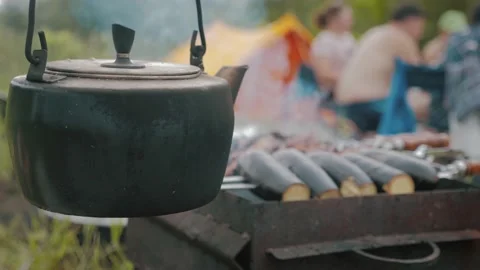
- Adjust the Height: Move the hook to a higher or lower chain link, or use the notched bar to change the distance from the flames. For a strong boil, lower the pot closer to the fire. For simmering, raise it higher.
- Monitor and Fine-Tune: Check your food regularly and adjust the chain as needed. Wind, fuel type, and fire size can all affect heat levels.
Practicing these tripod chain adjustment methods will help you develop an intuitive sense for outdoor heat management.
Tips for Consistent Cooking Results
While adjusting the chain is the main way to control heat, several other factors can influence your results:
- Fire Management: Keep your fire at a steady size. Add wood or charcoal gradually to maintain even heat.
- Pot Material: Cast iron, steel, and enamel all conduct heat differently. For more on cookware materials, see this comprehensive guide to cooking with enameled cast iron.
- Wind and Weather: Wind can increase heat loss, requiring you to lower the pot or shield the fire.
- Check for Level: Make sure your tripod and pot are hanging level to avoid spills.
Consistency comes with practice, so don’t be discouraged by early mistakes. Over time, you’ll learn how to quickly adapt your chain adjustments to any cooking situation.
Advanced Techniques for Chain Adjustment
Once you’re comfortable with the basics, you can experiment with more advanced tripod chain adjustment methods:
- Dual-Chain Systems: Some setups use two chains for extra stability, especially with large or heavy pots.
- Counterweights: Adding a small weight to the chain’s end can help keep the pot steady in windy conditions.
- Quick-Release Hooks: For fast removal or repositioning, use a carabiner or quick-release hook instead of a standard S-hook.
- Multi-Level Cooking: Hang multiple pots at different heights for simultaneous cooking of various dishes.
These techniques allow for greater flexibility and can be especially useful when preparing complex meals or catering for larger groups. If you’re interested in outdoor event setups, check out resources on rustic event catering equipment for more ideas.
Maintenance and Safety Tips
Proper care of your tripod and chain ensures longevity and safe operation:
- Inspect Regularly: Check for rust, wear, or weak links before each use.
- Clean After Use: Remove soot and food residue from the chain and hooks. A care kit can help maintain metal parts.
- Store Dry: Keep your tripod and chain dry to prevent corrosion.
- Handle with Care: Always use heat-resistant gloves when adjusting the chain during cooking.
By following these tips, you’ll keep your equipment in top shape and reduce the risk of accidents during outdoor cooking sessions.
FAQ: Tripod Chain Adjustment and Outdoor Cooking
How do I know what height to set my pot above the fire?
The ideal height depends on your cooking method. For boiling or frying, position the pot closer to the flames. For simmering or slow-cooking, raise it higher. Start low and gradually adjust upward as needed, monitoring your food closely.
Can I use any chain for my tripod setup?
Use a chain made of heat-resistant metal, such as stainless steel or galvanized steel. Avoid chains with coatings that could melt or release fumes. Always check the weight rating to ensure it can safely support your cookware.
What should I do if my pot swings or tips while hanging?
Ensure the tripod is set up on level ground and the chain is centered. Using a dual-chain system or adding a counterweight can help stabilize the pot. Avoid sudden movements and keep children and pets away from the cooking area.
Conclusion
Mastering tripod chain adjustment methods is key to successful outdoor cooking. With the right setup and a bit of practice, you’ll enjoy perfectly cooked meals over an open flame. For those interested in the broader history of metalwork and cookware, exploring topics like metal casting history can deepen your appreciation for these timeless techniques. Whether you’re a seasoned camper or a backyard enthusiast, these skills will elevate your outdoor culinary experiences.


