
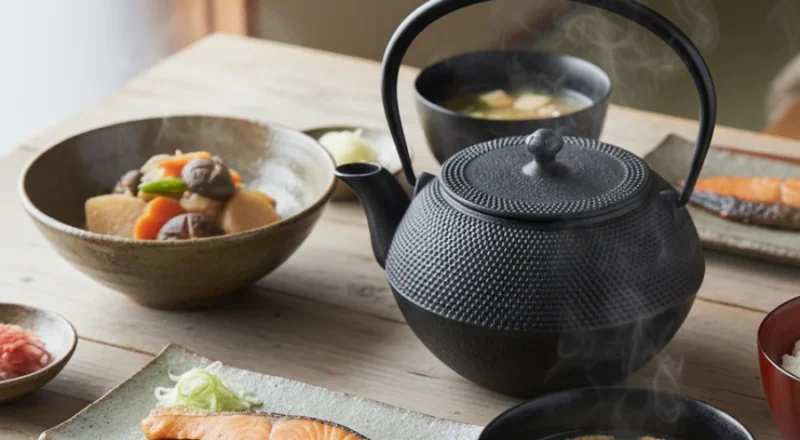
Transforming your outdoor space into a culinary retreat is easier than ever with the right fire bowl cooking setups. Whether you’re looking to host family gatherings, enjoy cozy evenings, or experiment with new cooking techniques, a fire bowl can become the centerpiece of your backyard. This guide explores practical and creative ways to use fire bowls for outdoor cooking, along with essential tips for safety, equipment, and maintenance.
Outdoor fire bowls are more than just a source of warmth—they offer a versatile platform for grilling, simmering, roasting, and even baking. With the right setup, you can prepare everything from classic barbecues to global-inspired dishes. Before diving into specific arrangements, it’s helpful to understand the history and evolution of outdoor cooking vessels. For those interested in the origins of these tools, the article on evolution of cooking vessels provides valuable context on how pots and fire bowls have changed through time.
Why Choose a Fire Bowl for Outdoor Cooking?
Opting for a fire bowl as your outdoor cooking station brings a unique blend of functionality and ambiance. Unlike traditional grills, fire bowls allow for a variety of cooking methods and can be adapted to suit different cuisines and gatherings. Here are some reasons why backyard chefs are gravitating toward these setups:
- Versatility: Grill, roast, simmer, or bake—fire bowls handle it all.
- Social Experience: The open design encourages guests to gather around, making cooking a communal activity.
- Ambiance: The glow and crackle of real flames create an inviting atmosphere.
- Portability: Many fire bowls are easy to move, allowing you to rearrange your outdoor space as needed.
Essential Elements for Effective Fire Bowl Cooking Setups
To get the most out of your backyard fire bowl, it’s important to assemble the right tools and accessories. Here’s what you’ll need for a safe and enjoyable cooking experience:
- Sturdy Fire Bowl: Choose a model made from heat-resistant materials like cast iron or steel.
- Cooking Grate or Grill Plate: For direct grilling of meats, vegetables, and bread.
- Tripod or Hanging Arm: Enables you to suspend kettles or Dutch ovens over the flames for stews and soups.
- Long-Handled Utensils: Protects your hands from the heat while turning or stirring food.
- Heat-Resistant Gloves: Essential for handling hot cookware and adjusting logs or coals.
- Fireproof Surface: Place your fire bowl on stone, gravel, or a fire mat to protect your patio or lawn.
For those interested in traditional kettle cooking, the article on eastern european kettle cooking offers insights into classic techniques and recipes that can be adapted to your fire bowl.
Creative Backyard Fire Bowl Cooking Arrangements
There are countless ways to set up your fire bowl for outdoor meals. Here are some inspiring ideas to help you make the most of your space:
1. Grilling Over Open Flames
One of the simplest and most popular uses for a fire bowl is grilling. Place a heavy-duty grate over the flames and cook everything from burgers and sausages to skewered vegetables and flatbreads. Adjust the height of the grate to control the intensity of the heat and achieve perfect grill marks.
2. Hanging Kettle or Dutch Oven Cooking
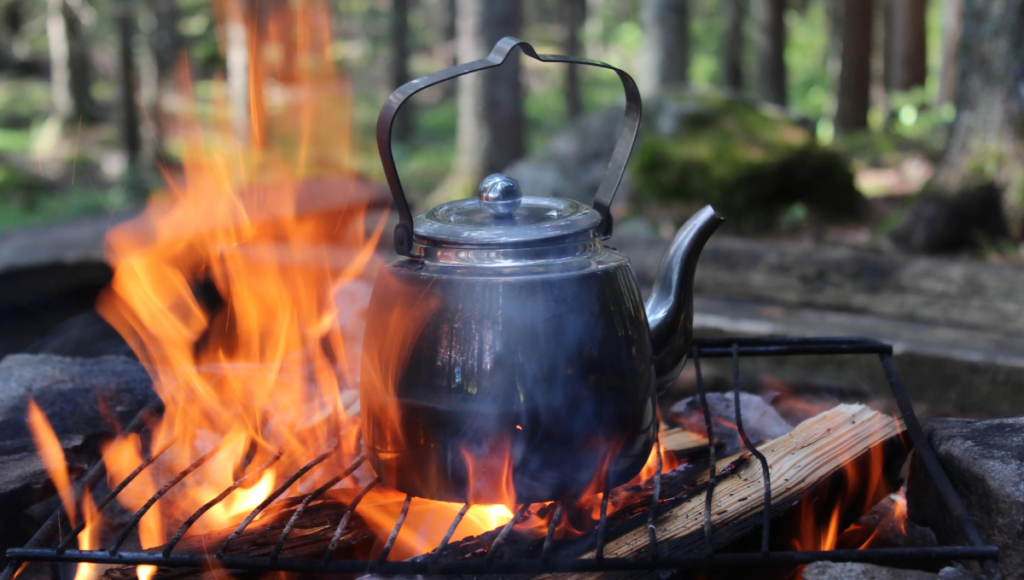
For stews, soups, and slow-cooked dishes, suspend a cast iron kettle or Dutch oven from a tripod above your fire bowl. This method allows for gentle, even heating and is perfect for hearty meals. If you’re curious about the history of metal cookware, the article on metal casting history explores how these tools have evolved and why they remain popular today.
3. Baking and Roasting with Fire Bowls
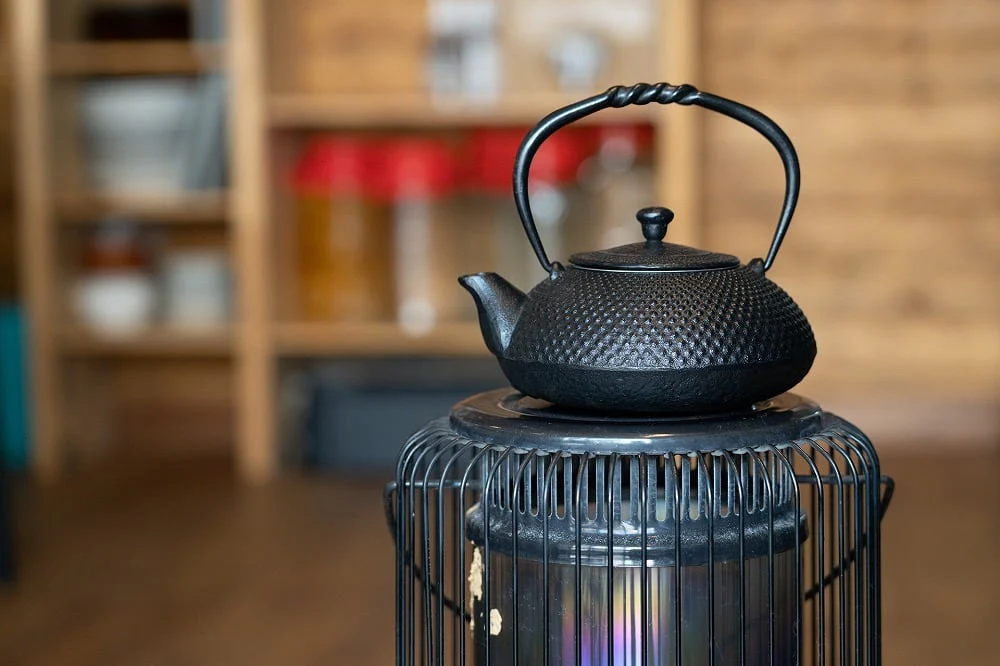
With the right accessories, you can use your fire bowl as an outdoor oven. Place a cast iron skillet or Dutch oven on a bed of coals, cover with a lid, and bake bread, cobblers, or roasted vegetables. For even heat, surround the cookware with hot embers and rotate it occasionally. This method brings a rustic touch to your backyard meals and expands your menu beyond typical grill fare.
Tips for Safe and Enjoyable Outdoor Cooking
While experimenting with different fire bowl setups, safety should always be a top priority. Here are some essential guidelines:
- Always position your fire bowl on a stable, non-flammable surface away from structures and overhanging branches.
- Keep a bucket of water, sand, or a fire extinguisher nearby in case of emergencies.
- Supervise children and pets around open flames at all times.
- Use only dry, seasoned wood or charcoal to minimize smoke and ensure even burning.
- Allow ashes to cool completely before disposing of them in a metal container.
Regular maintenance is key to extending the life of your fire bowl and cookware. Clean grates and pots after each use, and consider using a dedicated care kit to preserve cast iron surfaces. For more information on caring for cast iron teapots and similar cookware, see this comprehensive guide to cast iron teapot care.
Enhancing Your Backyard with Functional Decor
Integrating your fire bowl into the overall design of your outdoor space can elevate both its appearance and functionality. Surround your cooking area with stone pavers, rustic benches, or even historic garden ornaments for a timeless look. For those who enjoy themed spaces, adding elements inspired by medieval themed backyard decor can create a unique and immersive environment for gatherings.
Frequently Asked Questions
What types of food can I cook with a fire bowl?
Fire bowls are incredibly versatile. You can grill meats and vegetables, simmer stews in a kettle, roast potatoes and corn in the embers, or even bake bread and desserts using cast iron cookware. The possibilities are only limited by your imagination and the accessories you use.
How do I keep my fire bowl and cookware in good condition?
After each use, allow your fire bowl and cookware to cool completely. Remove ashes and food residue, then clean with a brush or mild soap if needed. For cast iron items, dry thoroughly and apply a thin layer of oil to prevent rust. Using a dedicated care kit can help maintain seasoning and extend the life of your equipment.
Is it safe to use a fire bowl on a wooden deck?
It’s best to avoid placing fire bowls directly on wooden decks, as heat and stray embers can cause damage or pose a fire risk. If you must use a fire bowl on a deck, place it on a fireproof mat or stone pavers, and never leave it unattended while burning.
Conclusion
With thoughtful planning and the right accessories, fire bowl cooking setups can turn any backyard into a dynamic outdoor kitchen. From grilling and roasting to simmering stews, these arrangements offer endless culinary possibilities and a welcoming atmosphere for friends and family. By following safety guidelines and caring for your equipment, you’ll enjoy delicious meals and memorable gatherings for years to come.


