
Exploring historic campsite cooking offers a window into how people once survived and thrived in the outdoors. Before the convenience of modern stoves and packaged foods, meals prepared over open fires or simple hearths were essential for explorers, pioneers, and travelers. Today, many outdoor enthusiasts and history buffs are rediscovering these time-honored techniques to experience the flavors and skills of the past firsthand.
Learning to cook as our ancestors did not just connect us with culinary history—it also teaches resourcefulness, patience, and the value of simple ingredients. Whether you’re curious about the evolution of cooking vessels, want to try your hand at traditional recipes, or simply enjoy the ritual of preparing food outdoors, understanding these methods can enrich your next camping adventure.
For those interested in the broader story of how our cookware has changed, the article on evolution of cooking vessels provides fascinating context on how pots and pans adapted to different eras and needs.
Essential Tools for Authentic Outdoor Cooking
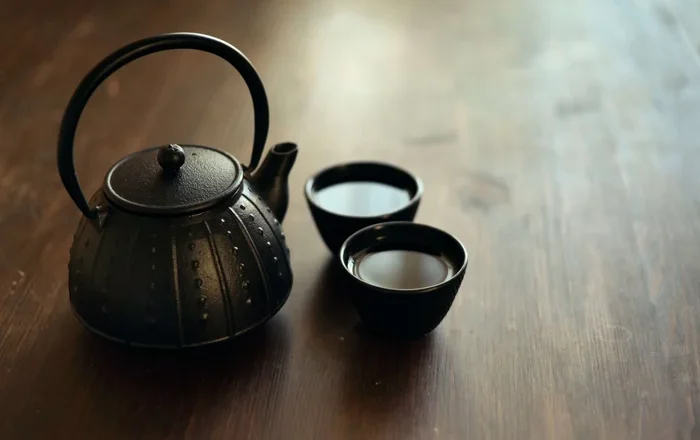
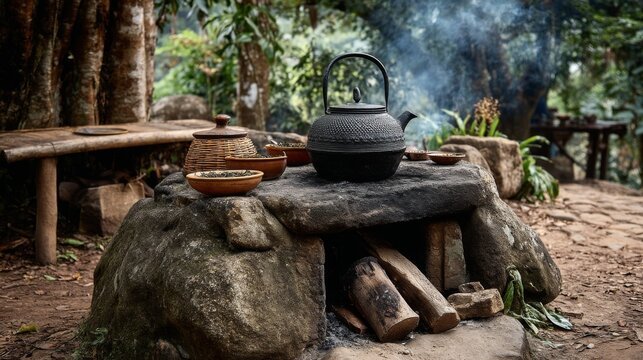
To recreate wilderness meals from centuries past, it’s important to use the right equipment. The backbone of historic campsite cooking is the cast iron pot or kettle, prized for its durability and even heat distribution. These vessels were used for everything from boiling water to simmering stews and baking bread.
- Cast Iron Kettles and Dutch Ovens: These were the workhorses of the camp kitchen, capable of withstanding direct flames and retaining heat for long periods.
- Tripods and Grates: Used to suspend pots over the fire or provide a stable surface for pans.
- Wooden Utensils: Spoons, spatulas, and ladles carved from wood were common, as they didn’t scratch the cookware and could be made on-site if needed.
- Simple Knives: A sturdy blade was essential for preparing ingredients and maintaining gear.
When selecting a kettle, consider its size, lid fit, and handle design. For more details on choosing the right one, check out this guide to picking the best cast iron kettle.
Traditional Cooking Methods in the Wilderness
Long before portable stoves, people relied on fire and ingenuity. Here are some of the most common techniques used in historic campsite cooking:
- Open Fire Cooking: The most basic method, involving pots hung over flames or nestled in coals. Control of heat was achieved by adjusting the fire’s intensity or moving the pot closer or farther from the flames.
- Baking in Ashes: Flatbreads, root vegetables, and even small game could be wrapped and buried in hot ashes to cook slowly and evenly.
- Stone Boiling: In areas without metal pots, heated stones were placed in wooden or leather containers of water to bring them to a boil.
- Spit Roasting: Meat was skewered on a stick or iron rod and rotated over the fire for even cooking.
Each method required patience and attention, but the resulting meals were often hearty and deeply flavorful.
Classic Wilderness Recipes to Try
Many recipes from the past are surprisingly simple, relying on a few ingredients and basic techniques. Here are some examples you can recreate on your next outdoor trip:
- Campfire Stew: A mix of wild game or preserved meat, root vegetables, and whatever greens were available, simmered slowly in a kettle. Seasonings were minimal—salt, pepper, and perhaps some wild herbs.
- Bannock Bread: This quick bread, made from flour, water, and a pinch of salt, was a staple for trappers and explorers. It could be cooked in a pan, on a flat stone, or even wrapped around a stick and baked over coals.
- Boiled Tea or Coffee: Water was heated in a kettle, and tea leaves or ground coffee were added directly. After steeping, the beverage was poured off, sometimes strained through a cloth.
- Roasted Root Vegetables: Tubers like potatoes or turnips were buried in hot ashes and left to cook until soft.
For those interested in regional specialties, eastern european kettle cooking offers a look at traditional bogracs and stews that have stood the test of time.
Maintaining and Caring for Historic Cookware
Proper care of cast iron and other traditional cookware is essential for safety and longevity. Here are some tips for keeping your gear in top shape:
- Seasoning Cast Iron: Regularly applying oil and heating the pot helps maintain a nonstick surface and prevents rust.
- Cleaning: Avoid harsh detergents. Instead, scrub with hot water and a brush, then dry thoroughly to prevent moisture damage.
- Storage: Store in a dry place and, if possible, with a light coat of oil to protect the surface.
For more on the fascinating development of these tools, the article on metal casting history explores how iron and other metals transformed cooking over the centuries.

Tips for Recreating Camp Meals from History
Bringing the spirit of the past to your campsite is about more than just recipes—it’s about embracing the mindset and resourcefulness of those who came before. Here are some practical suggestions:
- Plan Simple Menus: Focus on a few hearty dishes that use basic ingredients. This reflects the limited supplies of early travelers.
- Gather Local Ingredients: If possible, supplement your meals with wild herbs, berries, or edible plants (always be sure of their safety).
- Practice Fire Management: Learn to build and maintain a steady cooking fire. Different recipes require different types of heat—coals for baking, flames for boiling, etc.
- Embrace Imperfection: Historic meals were often rustic and variable. Enjoy the process and don’t worry if things aren’t perfect.
For those who enjoy adding a touch of history to their outdoor spaces, you might also appreciate ideas from medieval themed backyard decor and historic garden ornaments.
Frequently Asked Questions
What are the best foods to cook using traditional campsite methods?
Hearty stews, bannock bread, roasted root vegetables, and simple teas or coffees are ideal. These dishes require minimal ingredients and equipment, making them perfect for open-fire cooking.
How do you safely use and maintain cast iron cookware outdoors?
Always preheat cast iron slowly, avoid sudden temperature changes, and clean with hot water and a brush. After cleaning, dry thoroughly and apply a thin layer of oil to prevent rust. Store in a dry place when not in use.
Can I use modern cookware for historic recipes?
While you can adapt many old recipes to modern pots and pans, using cast iron or similar traditional cookware will provide a more authentic flavor and experience. The heat retention and distribution of cast iron are especially suited to historic cooking methods.
Where can I learn more about the history of outdoor cooking?
Resources like books on pioneer life, living history museums, and articles on topics such as the evolution of cooking vessels or metal casting history are excellent starting points.
Embracing historic campsite cooking is a rewarding way to connect with the past, develop new skills, and enjoy delicious meals in the great outdoors. Whether you’re a seasoned camper or a history enthusiast, these traditions offer both challenge and satisfaction for your next adventure.


