
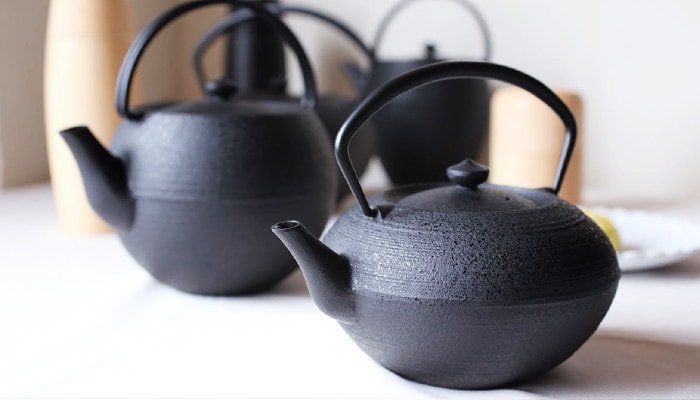
Traditional iron craftsmanship stands as a testament to human ingenuity, patience, and the enduring appeal of hand-forged metalwork. For centuries, skilled artisans have shaped iron into tools, cookware, architectural features, and decorative objects, using time-honored techniques passed down through generations. Today, this heritage continues to inspire both makers and collectors who appreciate the unique qualities and durability that only handcrafted iron can provide.
In this guide, we’ll explore the origins and evolution of hand-forged ironwork, examine the core techniques and tools, and highlight the cultural significance of this ancient craft. Whether you’re interested in the artistry behind a cast iron kettle or the intricate details of wrought iron gates, understanding the legacy of traditional metalworking opens a window into history and craftsmanship.
For those curious about how metalwork traditions have influenced cookware and daily life, the article on eastern european kettle cooking offers a fascinating look at regional techniques and recipes shaped by iron craftsmanship.
The Roots of Ironworking: From Ancient Forges to Modern Workshops
The story of traditional iron craftsmanship begins thousands of years ago, when early blacksmiths discovered how to extract and manipulate iron from ore. The Iron Age marked a turning point in human civilization, enabling the creation of stronger tools, weapons, and domestic items. Over time, regional styles and methods emerged, influenced by available resources, climate, and cultural needs.
In many parts of the world, blacksmiths became central figures in their communities, responsible for everything from horseshoes and farming implements to ornate gates and cooking vessels. The process was labor-intensive, requiring mastery of fire, hammer, and anvil. Each piece bore the marks of its maker, reflecting both utility and artistry.
To dive deeper into the broader history of metalwork, the article on metal casting history provides valuable context on how ancient techniques evolved into the diverse forms we see today.
Core Techniques in Hand-Forged Ironwork
At the heart of this craft are a handful of essential techniques that have remained remarkably consistent over the centuries. Understanding these methods sheds light on why hand-forged iron objects are so prized for their strength and character.
- Heating: Iron is heated in a forge until it becomes malleable, typically glowing red or orange. The temperature and duration depend on the intended result and the type of iron used.
- Hammering: Using a hammer and anvil, the blacksmith shapes the hot metal, drawing it out, bending, twisting, or flattening as needed. This step requires both physical strength and precise control.
- Joining: Pieces of iron can be joined by forge welding (heating and hammering together), riveting, or using mechanical fasteners. Each method affects the final appearance and durability.
- Finishing: After shaping, the surface may be brushed, filed, or treated to enhance texture and prevent rust. Some artisans add decorative elements or unique marks to personalize their work.
These techniques are not only practical but also contribute to the distinctive look and feel of hand-forged iron. Subtle variations in texture, weight, and form are hallmarks of genuine craftsmanship.
Hand-Forged Iron in Everyday Life
From cookware to architectural details, the influence of traditional iron craftsmanship is visible in many aspects of daily living. One of the most enduring applications is in the creation of cast iron kettles and cookware, which remain popular for their heat retention, durability, and rustic appeal.

Hand-forged kettles, for example, are not just functional—they often serve as family heirlooms, passed down through generations. Their robust construction allows them to withstand open flames, making them ideal for both indoor and outdoor cooking. The subtle differences between each piece, from the curve of the handle to the pattern of the lid, highlight the artisan’s touch.
For those interested in the evolution of cookware, the article on evolution of cooking vessels traces how pots and pans have changed alongside advances in metalworking.
Preserving and Caring for Hand-Forged Iron
Maintaining the beauty and functionality of hand-forged iron requires some basic care. Unlike modern nonstick pans, traditional iron cookware and decorative objects can last for decades—or even centuries—if properly maintained.
- Seasoning: Applying a thin layer of oil and heating the iron creates a natural, protective coating that prevents rust and enhances nonstick properties. This process is especially important for cookware.
- Cleaning: Avoid harsh detergents or soaking iron in water for extended periods. Instead, use a stiff brush or cloth to remove residue, and dry thoroughly after each use.
- Storage: Store iron items in a dry environment. If rust appears, gently scrub with a mild abrasive and re-season as needed.
For step-by-step instructions on maintaining your cast iron kettle, see this guide to properly seasoning a cast iron kettle.
Cultural Significance and Modern Revival
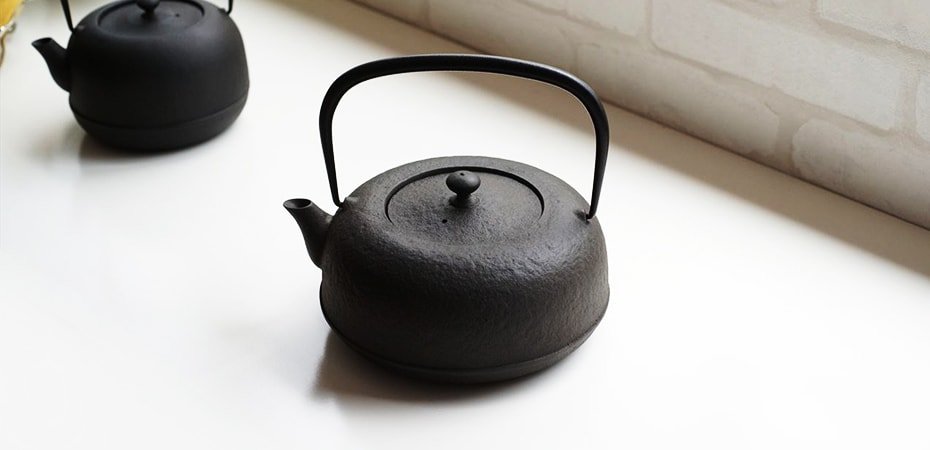
Beyond its practical uses, traditional iron craftsmanship holds deep cultural meaning in many societies. In Japan, for instance, the making of tetsubin (cast iron kettles) is considered an art form, with master smiths dedicating their lives to perfecting each detail. In Europe, wrought iron gates and railings are celebrated for their elegance and historical value.
Today, there is a renewed interest in hand-forged metalwork, driven by a desire for authenticity, sustainability, and connection to the past. Many contemporary artisans blend old and new techniques, creating pieces that honor tradition while embracing modern design. Collectors and homeowners alike seek out these unique objects for their beauty, durability, and the story they tell.
For those looking to incorporate historical elements into their living spaces, articles on historic garden ornaments and medieval themed backyard decor offer inspiration on using ironwork to create timeless outdoor environments.
Frequently Asked Questions
What makes hand-forged iron different from mass-produced metal?
Hand-forged iron is crafted individually by skilled artisans, resulting in unique variations in shape, texture, and finish. Unlike mass-produced items, each piece carries the marks of its maker and often lasts longer due to careful construction and higher-quality materials.
How can I tell if an iron item is handmade?
Look for subtle irregularities, such as hammer marks, slight asymmetry, and variations in thickness or pattern. Handmade items often have a more substantial feel and may include a maker’s mark or signature. Mass-produced pieces tend to be more uniform and lack these distinctive characteristics.
Is traditional iron cookware safe to use?
Yes, as long as it is properly seasoned and maintained, hand-forged iron cookware is safe and can even enhance the flavor of food. Avoid using acidic ingredients for long periods, as they can strip the seasoning. Always follow recommended care instructions to ensure longevity and safety.
Why is ironwork considered sustainable?
Iron is durable and recyclable, and hand-forged items are built to last for generations. By choosing handcrafted ironwork, you support traditional skills and reduce the need for disposable, short-lived products.
Can I use modern cleaning products on hand-forged iron?
It’s best to avoid harsh chemicals and stick to mild soap, water, and a stiff brush. Re-seasoning after cleaning helps maintain the protective layer. For stubborn rust, use a gentle abrasive and reapply oil as needed.
Traditional iron craftsmanship continues to captivate and inspire, connecting us to a rich legacy of skill, artistry, and resilience. Whether you’re a collector, cook, or simply an admirer of fine metalwork, exploring this world offers a deeper appreciation for the objects that shape our daily lives.


