
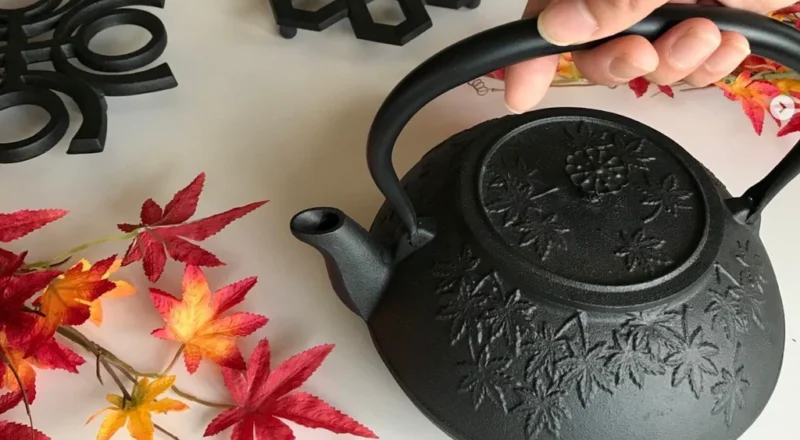
Mastering deep vessel cooking techniques is essential for anyone who wants to create rich, flavorful stews, soups, and broths. These methods have been refined over centuries, drawing on traditions from cultures around the world. Cooking in deep pots allows for even heat distribution, slow simmering, and the melding of complex flavors, making it a preferred approach for hearty one-pot meals.
Whether you’re using a cast iron kettle, a heavy-bottomed stockpot, or a traditional cauldron, understanding the unique properties of deep cookware can transform your home-cooked dishes. This article explores the fundamentals of deep vessel cooking, practical tips for best results, and the science behind why these methods produce such satisfying results. For a historical perspective on how these pots evolved, see the evolution of cooking vessels and how they shaped culinary techniques.
Why Deep Pots Excel for Stews, Soups, and Broths
Deep cookware is designed to hold large volumes of liquid and ingredients, making it ideal for slow-cooked recipes. The tall sides minimize evaporation, allowing flavors to concentrate without drying out the contents. This is especially important for broths and stocks, where the goal is to extract maximum flavor from bones, vegetables, and aromatics over time.
Another advantage is the even distribution of heat. Heavy, deep pots—such as cast iron kettles or enameled Dutch ovens—retain warmth and prevent hot spots, which can lead to scorching. This gentle, consistent simmering is what gives traditional stews and soups their signature depth and complexity.
Essential Deep Vessel Cooking Techniques
To get the most out of your deep pots, it’s important to use techniques that highlight their strengths. Here are some foundational methods:
- Browning and Sautéing: Start by browning meat or aromatics at the bottom of the pot. This builds a flavor base known as fond, which is later deglazed with liquid.
- Layering Ingredients: Add ingredients in stages, beginning with those that require the longest cooking time. This ensures even texture and flavor development.
- Slow Simmering: Keep the heat low and steady. A gentle simmer extracts flavors without breaking down delicate ingredients or causing excessive evaporation.
- Skimming: Regularly skim off foam and impurities that rise to the surface, especially when making broths or stocks. This results in a clearer, cleaner-tasting liquid.
- Finishing Touches: Add fresh herbs, acid (like vinegar or lemon juice), or a splash of cream at the end to brighten and balance flavors.
Choosing the Right Deep Vessel for Your Recipe
The type of pot you use can influence the outcome of your dish. Here are some common options and their benefits:
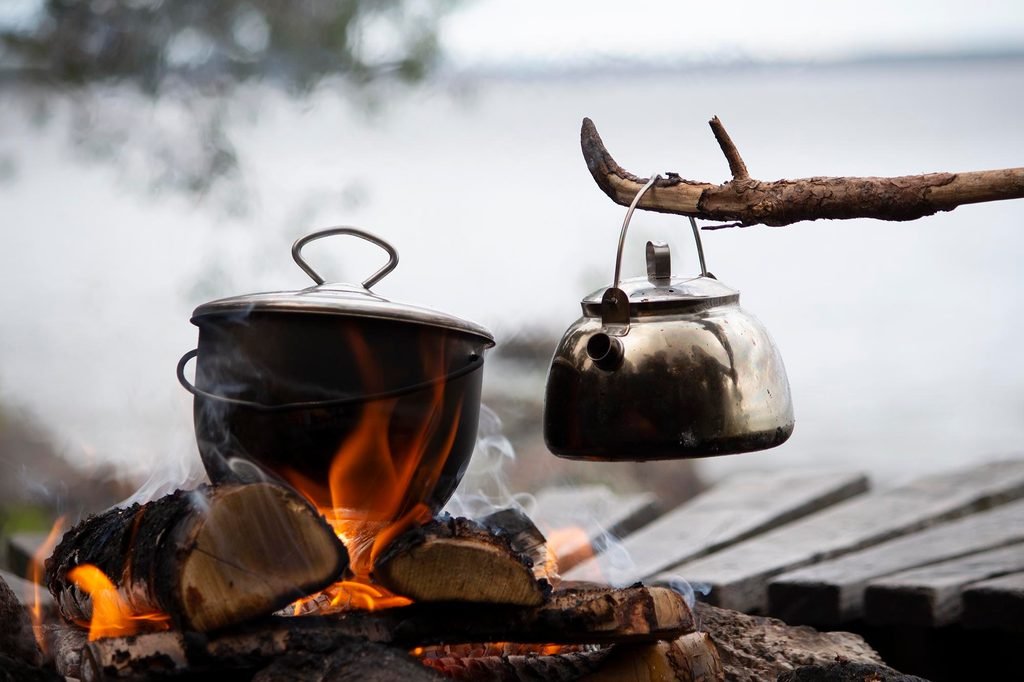
- Cast Iron Kettles: Excellent for heat retention and even cooking. Perfect for outdoor fire cooking or traditional stews. For more on regional traditions, explore eastern european kettle cooking and the use of bogracs.
- Enameled Dutch Ovens: Versatile and easy to clean, these are great for both stovetop and oven use.
- Stainless Steel Stockpots: Lightweight and non-reactive, ideal for large batches of broth or soup.
- Clay or Ceramic Pots: Used in many Asian and Mediterranean cuisines, these provide gentle, moist heat for delicate ingredients.
When selecting a vessel, consider the volume you need, the heat source, and the type of food you’re preparing. For guidance on materials, see this comprehensive guide to the best metals for kettles.
Tips for Perfect Stews and Broths Using Deep Pots
To achieve the best results with deep vessel cooking techniques, keep these tips in mind:
- Don’t Overcrowd: Give ingredients enough space to cook evenly and allow flavors to circulate.
- Control Moisture: Use a tight-fitting lid to trap steam for soups and broths, or leave the lid slightly ajar to reduce and thicken stews.
- Monitor Temperature: Maintain a low, steady simmer. Boiling can toughen meat and cloud broths.
- Season Gradually: Add salt in stages and taste as you go. Long cooking times can concentrate flavors, so avoid over-seasoning early on.
- Rest Before Serving: Allow stews and broths to sit for a few minutes off the heat. This helps flavors meld and makes for easier serving.
Maintenance and Care for Deep Cooking Vessels
Proper care extends the life of your deep pots and ensures consistent performance. Here are some maintenance tips:
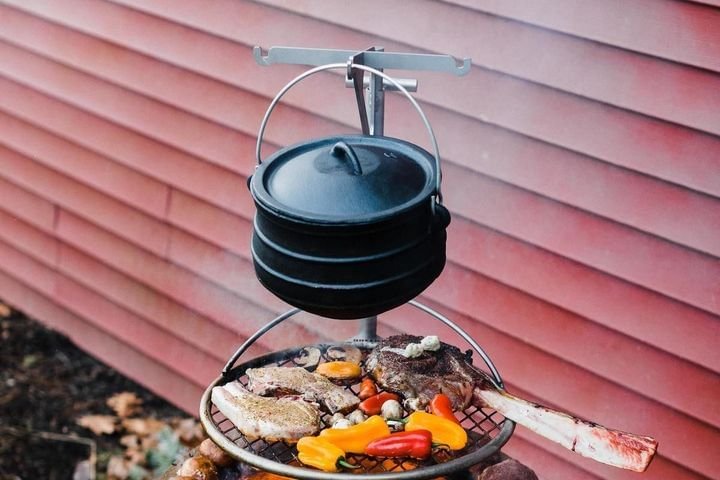
- Season Cast Iron: Regularly season cast iron vessels to prevent rust and maintain a natural non-stick surface.
- Clean Gently: Avoid harsh abrasives. Use warm water and a soft brush or sponge. For stubborn residue, simmer water in the pot to loosen stuck-on bits.
- Dry Thoroughly: After washing, dry your pot completely to prevent corrosion, especially with iron or steel cookware.
- Store Properly: Keep lids slightly ajar to allow air circulation and prevent moisture buildup.
For a deeper dive into the history and evolution of these vessels, check out the article on metal casting history and how advancements in metallurgy have shaped modern cookware.
Frequently Asked Questions
What types of dishes benefit most from deep vessel cooking?
Dishes that require long, slow simmering—such as stews, broths, soups, and braised meats—are ideal for deep pots. The tall sides and even heat help extract maximum flavor and create a satisfying texture.
How do I prevent food from sticking or burning at the bottom?
Start by preheating your pot and adding oil before ingredients. Stir frequently during the initial browning stage, and keep the heat moderate. For long simmers, check occasionally and scrape the bottom gently to prevent scorching.
Can I use deep vessel techniques on modern stovetops and ovens?
Absolutely. Most deep pots, including cast iron and enameled Dutch ovens, are compatible with gas, electric, and induction stovetops, as well as ovens. Always check manufacturer guidelines for maximum safe temperatures.
Conclusion
Learning to harness deep vessel cooking techniques opens up a world of culinary possibilities. With the right pot and a few foundational skills, you can create nourishing stews, clear broths, and complex soups that bring comfort and flavor to any table. Explore traditional methods, experiment with ingredients, and enjoy the process of slow, mindful cooking. For more inspiration and historical context, browse related topics like historic garden ornaments and their connection to outdoor cooking traditions.


