
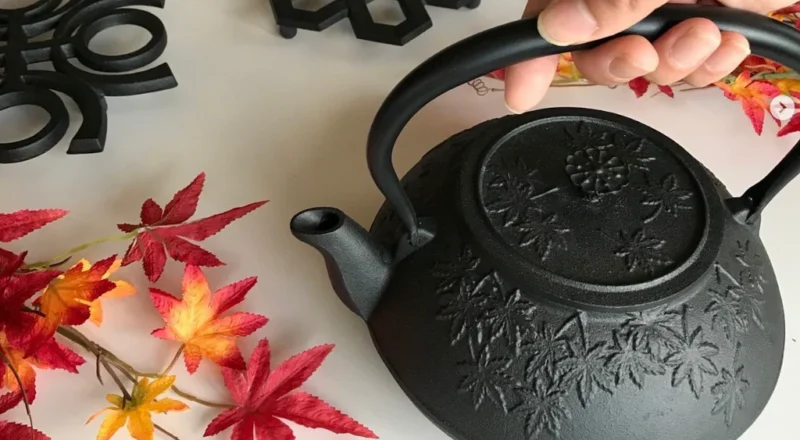
Interest in antique cookware identification has grown rapidly among collectors, home cooks, and history enthusiasts. Vintage iron pots, pans, and kettles are not only valued for their durability and performance, but also for their unique craftsmanship and historical significance. Whether you’ve inherited a family heirloom or found a mysterious skillet at a flea market, learning to distinguish genuine vintage iron from modern reproductions is essential for both preservation and enjoyment.
This guide will walk you through the key features, markings, and characteristics that help determine the age and authenticity of old iron cookware. Along the way, you’ll find practical tips for examining your pieces, understanding their origins, and caring for them so they last for generations. For those interested in the broader context of how these items evolved, the article on evolution of cooking vessels offers a fascinating historical overview.
Key Features of Vintage Iron Cookware
Recognizing authentic old ironware involves more than just checking for rust or weight. Here are some of the most telling features to examine:
- Surface Texture: Older cast iron pieces often have a smoother cooking surface compared to modern pans. This is due to the sand-casting and polishing methods used in the past, which left a glassy finish.
- Weight and Thickness: Genuine vintage iron tends to be lighter and thinner than contemporary cast iron, which is often heavier and rougher.
- Pour Spouts and Handles: Early cookware frequently features well-defined pour spouts and handles that are integral to the body, not attached separately.
- Gate Marks: Look for a raised line or scar on the bottom of the pan, known as a gate mark. This indicates the piece was made before the late 1800s, when casting techniques changed.
- Maker’s Marks: Many old pieces have manufacturer logos, numbers, or names cast or stamped into the metal. These can help pinpoint the maker and approximate era.
Understanding Markings and Logos
Markings are crucial for antique cookware identification. Here’s how to interpret what you find:
- Manufacturer’s Logo: Well-known brands like Griswold, Wagner, and Lodge used distinctive logos that changed over time. Comparing your piece’s logo to reference guides can help date it.
- Pattern Numbers: Numbers on the bottom or handle often indicate the mold or size. These can be cross-referenced with catalogs to determine age and intended use.
- Country of Origin: “Made in USA” markings generally appeared after the 1960s, so their absence may indicate an older item.
- Other Symbols: Some pans have unique symbols, such as stars, letters, or shapes, which were used by certain foundries for internal tracking or branding.
For a deeper dive into the history of metalworking and foundry marks, see the article on metal casting history.
Common Types of Antique Ironware
Vintage iron cookware comes in a variety of forms, each with its own distinctive features. The most common types include:
- Skillets: These are the most collected and widely used. Look for smooth interiors, pronounced lips, and old-style handles.
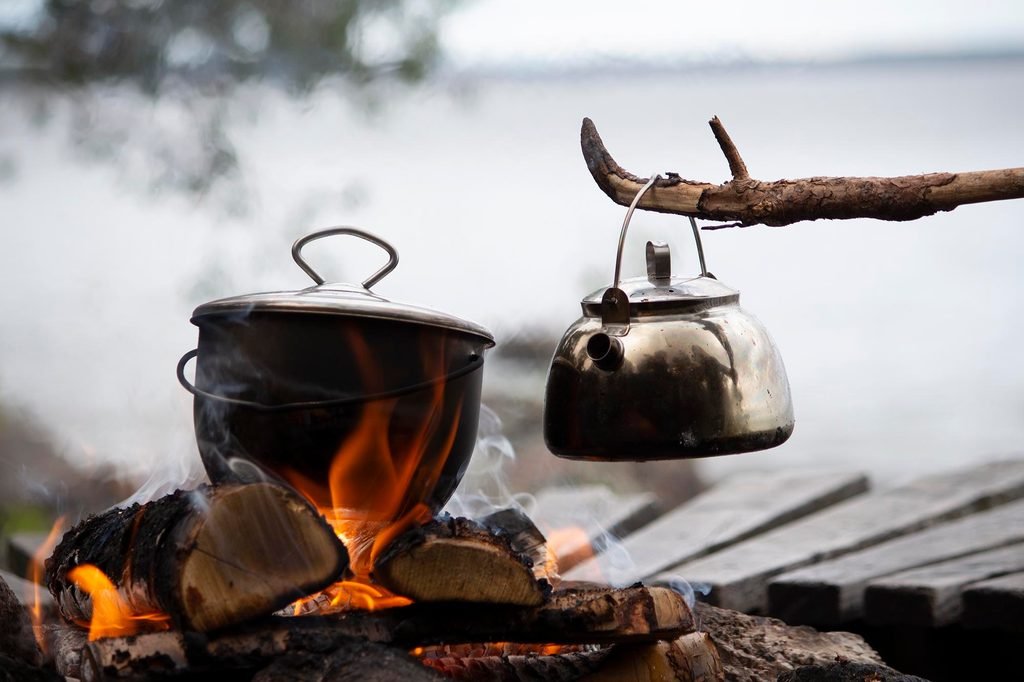
- Kettles: Used for boiling water or making stews, antique kettles often have rounded bodies and arched handles. For more on traditional uses, explore eastern european kettle cooking.
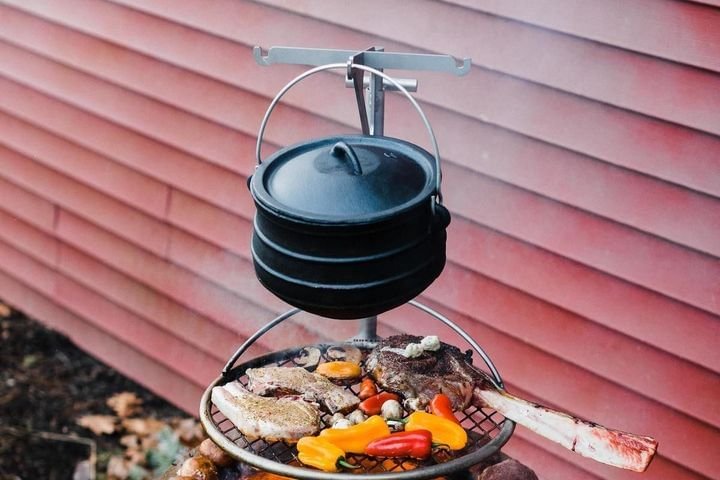
- Dutch Ovens: These deep, lidded pots were essential for baking and roasting. Early versions may have legs for use over coals.
- Griddles and Waffle Irons: Flat or patterned surfaces designed for specific tasks, often with unique hinge or handle designs.
Tips for Authenticating Vintage Iron Cookware
When evaluating a potential antique, consider these practical steps to ensure authenticity:
- Examine the Underside: The bottom of the pan reveals a lot—look for gate marks, logos, and casting flaws.
- Check for Warping: Old iron can warp from use or improper storage. Place the pan on a flat surface to check for wobble.
- Assess the Patina: A well-used piece will have a dark, even patina. Avoid items with heavy rust or deep pitting, as these may be compromised.
- Research the Brand: Use online databases and collector’s guides to compare markings and features with known examples.
- Beware of Reproductions: Some modern makers produce “vintage style” pans. These often have rougher surfaces, heavier weight, and modern markings.
How to Care for Old Iron Cookware
Proper maintenance is key to preserving your vintage pieces. Here are some care tips:
- Cleaning: Avoid harsh detergents. Use hot water and a stiff brush. For stubborn residue, try coarse salt as a gentle abrasive.
- Seasoning: Regularly apply a thin layer of oil and heat the pan to maintain its nonstick surface and prevent rust.
- Storage: Store in a dry place. If stacking, place a paper towel between pans to avoid scratching.
- Restoration: Severely rusted pieces can often be restored with patience. Specialized care kits are available for this purpose.
For more information on the health benefits and best practices of cooking with iron, see this comprehensive guide to cast iron cooking.
Why Collectors Value Vintage Ironware
Old iron cookware is prized for its blend of functionality, durability, and historical charm. Collectors appreciate:
- Craftsmanship: Each piece reflects the techniques and artistry of its era.
- Cooking Performance: Well-seasoned vintage pans offer superior heat retention and a naturally nonstick surface.
- Historical Connection: Using or displaying antique cookware provides a tangible link to past generations and culinary traditions.
- Investment Value: Rare or well-preserved items can increase in value over time, especially those from renowned makers.
Those interested in incorporating vintage pieces into home decor may also enjoy reading about historic garden ornaments for more inspiration on timeless accents.
Frequently Asked Questions
How can I tell if my cast iron skillet is truly vintage?
Look for key indicators such as a smooth cooking surface, gate marks on the bottom, and old-style logos or pattern numbers. Absence of “Made in USA” markings and the presence of unique foundry symbols can also signal an older piece. Comparing your skillet with reference images from collector’s guides is highly recommended.
Is it safe to cook with antique iron cookware?
Yes, as long as the cookware is free from deep rust, cracks, or pitting. Proper cleaning and seasoning restore the surface and make it safe for everyday use. For more on health and safety, consult a trusted resource on cast iron cooking.
What is the best way to restore a rusty vintage pan?
Start by scrubbing off loose rust with a stiff brush or steel wool. For stubborn rust, soak the pan in a vinegar and water solution, then rinse and dry thoroughly. Re-season the pan by applying oil and heating it in the oven. For persistent issues, specialized restoration kits are available and can be found online.


