
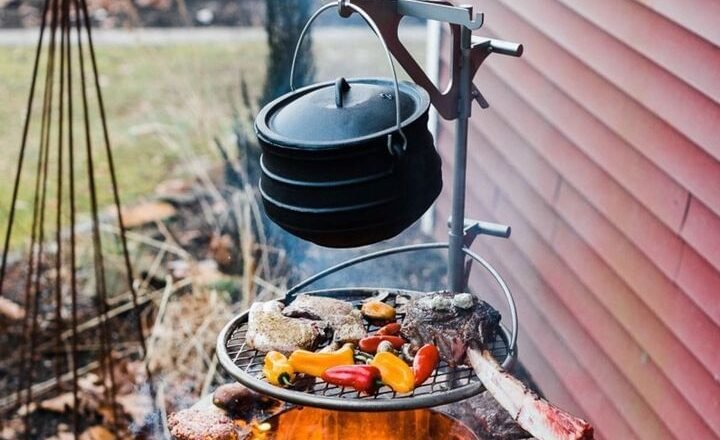
Restoring an old cast iron kettle can transform a rusty, forgotten piece into a functional and beautiful addition to your kitchen or campfire setup. Whether you’ve inherited a family heirloom or discovered a vintage find at a flea market, cast iron kettle restoration is a rewarding process that preserves history and enhances your cooking experience. This guide covers every step, from assessing the condition to seasoning and ongoing care, so you can confidently revive your cookware.
Before diving into the restoration process, it’s helpful to understand the historical significance of cast iron vessels. For those interested in the evolution of these timeless pieces, evolution of cooking vessels offers fascinating insights into how pots and kettles have changed through the ages.
Why Restore Old Cast Iron Kettles?
Vintage cast iron kettles are prized for their durability, heat retention, and unique character. Over time, however, they can develop rust, grime, or stubborn residue. Restoring these pieces not only brings them back to life but also maintains their value and functionality. Properly restored kettles can be used for generations, making them a sustainable and sentimental choice for home cooks and collectors alike.
In addition to their practical benefits, these kettles often have historical or cultural significance. For example, they play a central role in eastern european kettle cooking, where traditional stews and soups are prepared over open flames.
Assessing the Condition of Your Kettle
Before starting any cast iron kettle restoration project, carefully inspect the item. Look for:
- Rust: Surface rust is common and usually treatable. Deep pitting may require extra attention.
- Cracks or Holes: Structural damage can compromise safety and may not be repairable.
- Old Seasoning or Residue: Thick, uneven layers of old seasoning or burnt-on food will need to be removed.
If the kettle is structurally sound, it’s a good candidate for restoration. If you find cracks or significant holes, consider displaying it as a decorative piece instead of using it for cooking.
Gathering Supplies for Restoration
Having the right tools will make the process smoother. You’ll need:
- Steel wool or a stiff wire brush
- Coarse salt (for scrubbing)
- Mild dish soap
- White vinegar
- Protective gloves
- Clean towels
- Vegetable oil or a dedicated cast iron seasoning oil
For those looking for a convenient solution, a specialized care kit can simplify cleaning and seasoning. After the first in-post image below, you’ll find a recommended care kit option.

Step-by-Step Guide to Cleaning and Restoring Cast Iron Kettles
Removing Rust and Old Seasoning
Start by scrubbing the kettle with steel wool or a wire brush to remove loose rust and debris. For stubborn rust, soak the kettle in a 1:1 solution of white vinegar and water for up to 8 hours. Check periodically—over-soaking can damage the metal. After soaking, scrub again to remove softened rust.
To tackle thick layers of old seasoning or burnt residue, sprinkle coarse salt inside the kettle and scrub with a damp cloth or sponge. Rinse thoroughly with warm water and mild dish soap. Dry the kettle immediately with a towel to prevent new rust from forming.
Restoring the Cooking Surface
Once the kettle is clean and rust-free, it’s time to restore the surface. Place the kettle in a warm oven (around 200°F/95°C) for 10–15 minutes to ensure it’s completely dry. This step is crucial, as any remaining moisture can cause rust during seasoning.
Apply a thin, even layer of vegetable oil or cast iron seasoning oil to the entire surface, inside and out. Wipe away any excess oil with a clean cloth. Place the kettle upside down on the middle rack of your oven, with a baking sheet or foil on the lower rack to catch drips. Bake at 400°F (205°C) for one hour. Allow the kettle to cool in the oven before handling.
Maintaining Your Restored Kettle
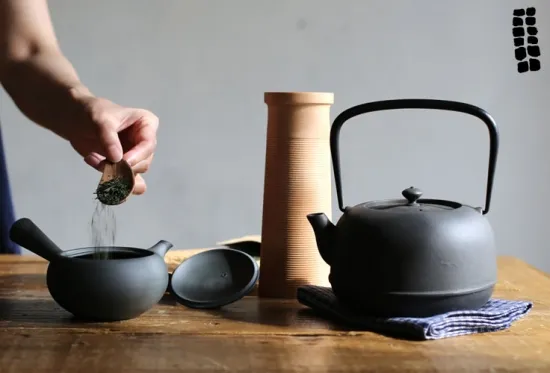
After restoring your cast iron, regular maintenance will keep it in top condition. Always dry thoroughly after washing and apply a light coat of oil before storing. Avoid soaking in water or using harsh detergents. If rust reappears, repeat the cleaning and seasoning process as needed.
For those interested in exploring different types of cast iron cookware, including enamelled options, a comprehensive guide to cooking with enamelled cast iron provides helpful comparisons and care tips.
Tips for Cooking and Displaying Restored Kettles
Restored cast iron kettles are versatile. Use them for boiling water, making stews, or brewing coffee over a campfire. Their rustic charm also makes them excellent decorative pieces in kitchens, gardens, or outdoor entertaining spaces. If you’re inspired by historical uses, you might enjoy learning about historic garden ornaments that complement vintage cookware displays.
When using your kettle for cooking, always preheat it gradually to avoid thermal shock. Use wooden or silicone utensils to protect the seasoned surface. With proper care, your restored piece will develop a natural nonstick patina that improves with every use.
Common Mistakes to Avoid in Cast Iron Kettle Restoration
- Skipping the Drying Step: Failing to dry thoroughly before seasoning can lead to new rust.
- Using Too Much Oil: Excess oil during seasoning can cause sticky residue instead of a smooth finish.
- Over-Scrubbing: Aggressive scrubbing with power tools can damage the surface. Stick to manual methods for best results.
- Neglecting Regular Maintenance: Occasional re-seasoning and gentle cleaning are essential for long-term performance.
Frequently Asked Questions
Can I Restore a Severely Rusted Cast Iron Kettle?
Yes, most surface rust can be removed with vinegar soaks and scrubbing. However, if the rust has caused deep pitting or structural damage, the kettle may not be safe for cooking. Always inspect carefully before use.
How Often Should I Season My Restored Kettle?
Season your kettle after every deep cleaning or if you notice food starting to stick. Regular light oiling after each use helps maintain the protective layer and prevents rust.
Is It Safe to Use Soap on Cast Iron?
Mild dish soap is safe during the initial cleaning phase of restoration. Once seasoned, avoid harsh detergents and stick to hot water and gentle scrubbing for routine cleaning.
Conclusion
Bringing an old cast iron kettle back to life is a satisfying project that combines practical skills with a respect for culinary tradition. With the right approach, you can rescue vintage cookware from rust and neglect, ensuring it remains a cherished part of your kitchen or outdoor setup for years to come. For more on the fascinating history behind these pieces, explore topics like metal casting history and discover how these timeless tools have shaped the way we cook.


