
Cooking over an open fire is a timeless tradition, whether you’re at a campsite, in your backyard, or exploring traditional outdoor recipes. While the experience is rewarding, it also comes with unique challenges. Many home cooks and outdoor enthusiasts unknowingly make critical errors that can lead to uneven meals, damaged cookware, or even safety hazards. Understanding the most common open flame cooking mistakes is essential for anyone looking to master fire pit cuisine and enjoy safe, delicious results.
This guide explores the most frequent pitfalls, from improper fire management to mishandling cast iron, and offers practical advice to help you avoid them. If you’re interested in the historical roots of outdoor cooking, you might also enjoy learning about eastern european kettle cooking and how traditional techniques have shaped modern fire pit meals.
Common Fire Pit Cooking Errors and How to Prevent Them
Many people underestimate the nuances of cooking over an open flame. Unlike a kitchen stove, fire pits offer less control and require constant attention. Here are some of the most frequent open flame cooking mistakes and tips to sidestep them:
- Using the Wrong Wood: Not all firewood is suitable for cooking. Softwoods like pine can release resins and unpleasant flavors. Stick to seasoned hardwoods such as oak, hickory, or maple for a clean, steady burn.
- Cooking Directly Over Flames: Placing food directly over high flames often results in burnt exteriors and raw interiors. Wait for the fire to produce glowing embers, which provide more even and manageable heat.
- Neglecting Heat Zones: A well-managed fire pit should have multiple heat zones. Arrange coals so you have both high and low heat areas, allowing you to sear, simmer, or keep food warm as needed.
- Overcrowding the Grill or Grate: Giving food enough space ensures even cooking and prevents steaming. Avoid piling items on top of each other.
- Ignoring Wind and Weather: Wind can cause uneven heating and flare-ups. Position your fire pit in a sheltered spot and use windbreaks if necessary.
Safety Hazards: Avoiding Accidents Around the Fire
Open fire cooking brings inherent risks. Being aware of safety protocols is crucial for preventing injuries and property damage. Here’s what to keep in mind:
- Improper Fire Pit Placement: Always set up your fire pit on a non-flammable surface, away from overhanging branches, dry grass, or structures.
- Leaving the Fire Unattended: Never walk away from an active fire. Assign someone to monitor it at all times, especially if children or pets are present.
- Lack of Fire Extinguishing Tools: Keep a bucket of water, sand, or a fire extinguisher within reach. Quick action can prevent a minor flare-up from becoming a disaster.
- Improper Clothing: Avoid loose sleeves and synthetic fabrics, which can easily catch fire. Opt for fitted, natural fiber clothing when cooking outdoors.
Cast Iron and Cookware: Preventing Damage and Poor Results
Using the right cookware is a cornerstone of successful fire pit meals. Cast iron is a favorite for its heat retention and durability, but it’s also susceptible to damage if mishandled. Here’s how to avoid common cookware blunders:
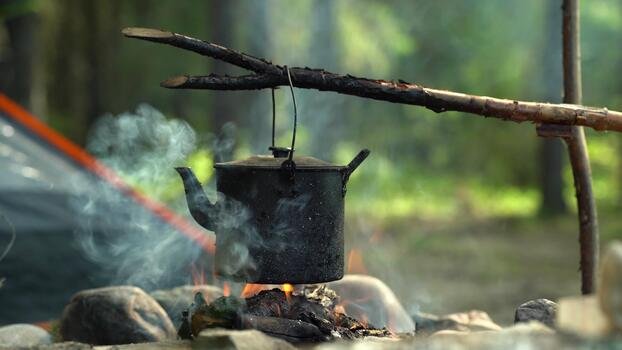
- Placing Cold Cast Iron on Hot Flames: Sudden temperature changes can cause cast iron to crack. Allow your cookware to warm gradually by placing it near the fire before moving it directly over the heat.
- Skipping Seasoning: Unseasoned or poorly seasoned cast iron is prone to sticking and rust. Regularly oil your cookware and consider using a care kit for optimal performance.
- Using Soap or Abrasive Cleaners: Harsh cleaning agents strip away the seasoning. Instead, clean cast iron with hot water and a brush, drying thoroughly before storage.
- Neglecting Maintenance: After each use, apply a thin layer of oil to prevent rust and maintain a nonstick surface. For more on the evolution of outdoor cookware, see the evolution of cooking vessels and how materials have changed through history.
Food Preparation and Cooking Techniques: Getting It Right
Even with the perfect fire and cookware, mistakes in food prep or technique can ruin a meal. Here are some frequent issues and how to fix them:
- Not Prepping Ingredients in Advance: Open fire cooking requires constant attention. Chop, marinate, and organize all ingredients before lighting the fire to avoid distractions.
- Skipping Temperature Checks: Guesswork leads to undercooked or overcooked food. Use a food thermometer to ensure meats reach safe internal temperatures.
- Forgetting to Rest Meat: Allow cooked meats to rest before slicing. This helps retain juices and improves flavor.
- Overusing Marinades with Sugar: Sugary sauces burn quickly over open flames. Apply them near the end of cooking to prevent charring.
Choosing the Right Tools and Accessories
The right equipment can make a significant difference in your outdoor cooking experience. Here are some essentials and tips to avoid equipment-related open flame cooking mistakes:
- Long-Handled Tools: Use tongs, spatulas, and forks with extended handles to keep your hands safe from the heat.
- Heat-Resistant Gloves: Protect your hands when adjusting logs or moving cookware.
- Sturdy Grates and Tripods: Ensure your grill grate or tripod is stable and rated for high heat. Wobbly setups can lead to spills and burns.
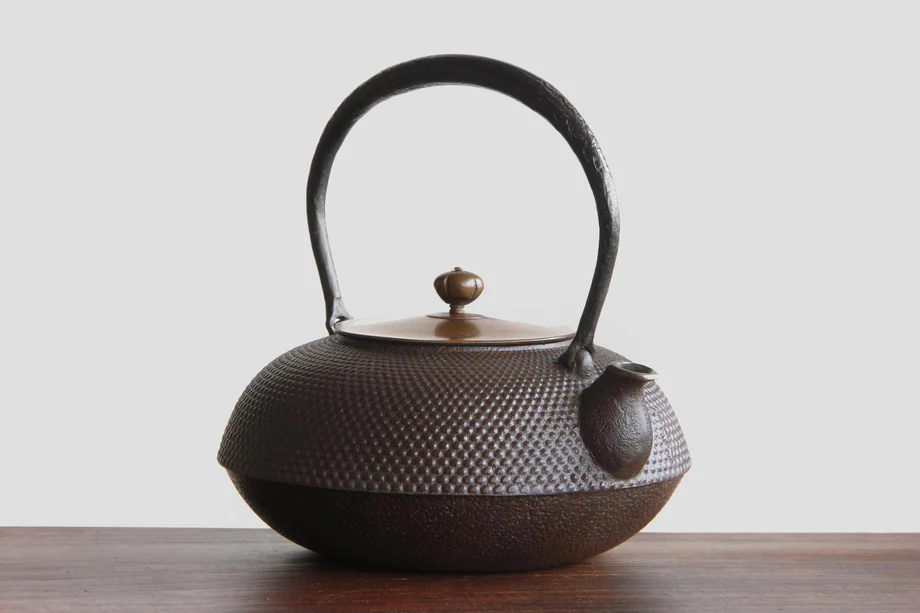
- Proper Kettles: For boiling water or making stews, invest in a quality iron kettle. For more details, see this comprehensive guide to iron kettles and teapots.
Cleanup and Fire Safety After Cooking
Proper cleanup is as important as the cooking process itself. Neglecting post-cooking safety can lead to accidents or environmental harm:
- Extinguishing the Fire: Never leave a fire to burn out on its own. Douse it with water, stir the ashes, and repeat until everything is cool to the touch.
- Disposing of Ashes: Wait until ashes are completely cold before disposing of them in a metal container.
- Cleaning Up Food Waste: Remove all food scraps and packaging to prevent attracting wildlife and to keep the area clean for future use.
Frequently Asked Questions
What is the best way to control heat when cooking over a fire pit?
Managing heat involves creating different zones in your fire pit. Move coals to one side for high heat and leave another area with fewer coals for gentler cooking. Adjust the height of your grill grate if possible, and always wait for flames to subside before starting to cook.
How do I prevent food from sticking to cast iron over an open flame?
Ensure your cast iron is well-seasoned and preheated before adding food. A light coating of oil helps maintain a nonstick surface. Avoid cooking acidic foods for long periods, as they can strip seasoning.
Can I use any type of wood for fire pit cooking?
No, only use seasoned hardwoods like oak, hickory, or maple. Avoid softwoods and treated lumber, as they can produce harmful fumes and affect the taste of your food.
Conclusion
Mastering fire pit cuisine is about more than just lighting a fire and throwing food on the grill. By understanding and avoiding the most common open flame cooking mistakes, you can enjoy safer, tastier, and more satisfying outdoor meals. Whether you’re experimenting with new recipes or exploring the metal casting history behind your cookware, a little preparation and knowledge go a long way. Respect the fire, care for your tools, and savor the unique flavors that only open flame cooking can provide.


