
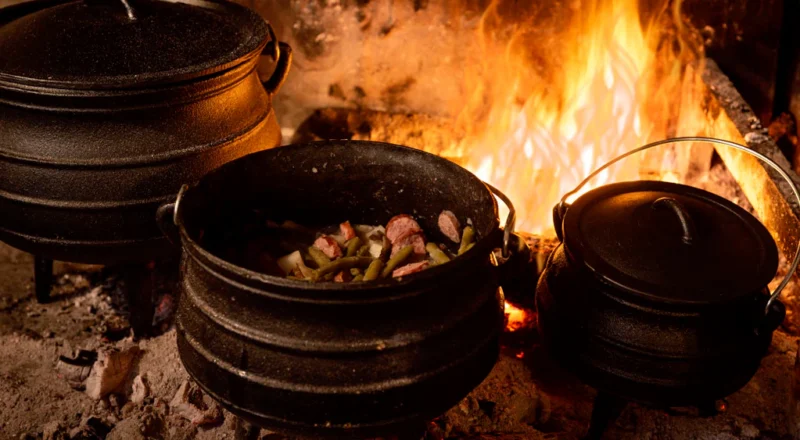
Cooking with a cast iron kettle is a time-honored tradition that brings together durability, versatility, and rich flavors. Whether you’re simmering stews over an open fire or preparing hearty meals at home, cast iron kettles offer a unique way to connect with culinary history and enjoy robust, evenly cooked dishes. This guide explores essential tips, classic recipes, and proven techniques to help you get the most out of your kettle, no matter your experience level.
Before diving into the practical aspects, it’s worth noting how these kettles have played a role in cultural kettle cooking traditions across the world. From rustic campfire meals to family gatherings, the cast iron kettle stands as a symbol of communal cooking and enduring craftsmanship.
Why Choose Cast Iron for Outdoor and Home Cooking?
Cast iron kettle cooking is beloved for its ability to retain and distribute heat evenly. This makes it ideal for slow-cooked stews, soups, and even baking. Unlike lighter metals, cast iron holds temperature, reducing hot spots and allowing for consistent results. The natural non-stick surface that develops over time, known as seasoning, also enhances flavor and makes cleanup easier.
For those interested in the science behind cookware materials, you can learn more about the best metals for kettles and how cast iron compares to other options.
Getting Started: Preparing and Seasoning Your Kettle
Before using your kettle for the first time, it’s important to season it properly. Seasoning creates a protective layer that prevents rust and makes the surface naturally non-stick. Here’s a step-by-step process:
- Wash the kettle with warm water and a small amount of mild soap to remove factory residues. Dry thoroughly.
- Apply a thin layer of vegetable oil or a plant-based cast iron conditioner to the inside and outside surfaces.
- Place the kettle upside down in an oven or over a campfire, heating it to around 400°F (204°C) for an hour. Let it cool before use.
Regular seasoning after each use will keep your kettle in top condition. If you’re new to this, consider reading about metal casting history to appreciate how these durable vessels have evolved over centuries.
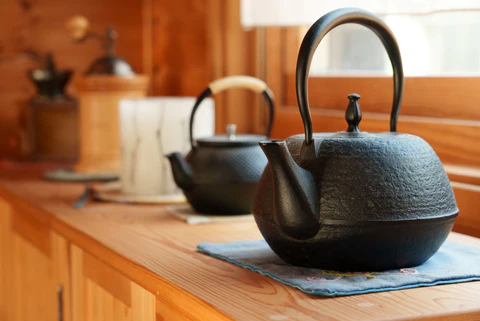
Essential Techniques for Cast Iron Kettle Cooking
Mastering a few core techniques will help you get the most from your kettle, whether you’re cooking outdoors or in your kitchen. Here are some practical tips:
- Preheat Gradually: Avoid sudden temperature changes to prevent cracking. Warm your kettle slowly over low heat before increasing the temperature.
- Layer Ingredients: For stews and soups, add root vegetables first, followed by meats and softer vegetables. This ensures even cooking.
- Control the Heat: When cooking over a fire, move coals or adjust the flame to maintain a gentle simmer. Cast iron holds heat, so less fuel is often needed.
- Stir Occasionally: While cast iron distributes heat well, stirring helps prevent sticking and ensures all ingredients cook evenly.
- Use the Lid: The heavy lid traps moisture and flavor, making it perfect for braising and slow-cooking.
For more inspiration on communal meals and traditions, explore outdoor hospitality traditions that celebrate the joy of sharing food around a fire.
Classic Recipes for the Cast Iron Kettle
There’s no shortage of delicious meals you can prepare in your kettle. Here are a few favorites that showcase the versatility of this cookware:
Hearty Campfire Stew
- 2 lbs beef chuck, cut into cubes
- 4 carrots, sliced
- 3 potatoes, diced
- 1 onion, chopped
- 2 cloves garlic, minced
- 4 cups beef broth
- Salt, pepper, and herbs to taste
Brown the beef in the kettle, add vegetables and broth, then simmer over low heat for 2–3 hours until tender.
Traditional Bogracs (Hungarian Kettle Goulash)
For those interested in European traditions, Eastern European kettle cooking offers rich, paprika-laden stews. Combine beef, onions, potatoes, bell peppers, and Hungarian paprika for an authentic taste.
Rustic Vegetable Soup
Chop seasonal vegetables, add to the kettle with vegetable broth, and simmer with herbs for a comforting, plant-based meal. The even heat of cast iron brings out deep flavors in simple ingredients.

Cleaning and Maintaining Your Cast Iron Kettle
Proper care ensures your kettle lasts for generations. Here’s how to keep it in excellent shape:
- Clean While Warm: Rinse with hot water and use a stiff brush. Avoid soap unless necessary, as it can strip seasoning.
- Dry Immediately: After washing, dry thoroughly to prevent rust. Place the kettle over low heat for a few minutes to evaporate moisture.
- Reapply Oil: After each cleaning, rub a thin layer of oil on all surfaces to maintain the seasoning.
- Store Properly: Keep the lid off or slightly ajar to allow air circulation and prevent moisture buildup.
If your kettle develops rust or loses its non-stick surface, simply repeat the seasoning process. For more on how our ancestors handled cookware, see historic food serving methods.
Frequently Asked Questions
Can I use a cast iron kettle on a modern stovetop?
Yes, most cast iron kettles can be used on gas, electric, and induction stovetops. Just be sure to heat gradually and avoid dragging the kettle to prevent scratching surfaces.
How do I remove stubborn food residue?
For stuck-on food, fill the kettle with water and bring to a boil. Use a wooden scraper or brush to loosen residue. Avoid metal utensils that can damage the seasoning.
Is it safe to cook acidic foods in cast iron?
Acidic ingredients like tomatoes can strip seasoning if cooked for long periods. For brief cooking, it’s generally fine, but re-season your kettle afterward to maintain its protective layer.
Conclusion
Embracing cast iron kettle cooking allows you to prepare delicious, hearty meals while connecting with culinary traditions from around the world. With proper care, seasoning, and a few essential techniques, your kettle will become a trusted companion for both outdoor adventures and home-cooked feasts. Explore new recipes, share meals with friends, and enjoy the timeless satisfaction of cooking with cast iron.


